Constitutional government in England triumphs under the Tudors and the Stuarts. The British Empire is established, United States is born and the United States progresses culturally. It has been stated before that much of English History, is also American History. The 1500’s, 1600’s and 1700’s, witnessed developments in England, that contributed much to present-day American attitudes and values. During these centuries, it is necessary to develop the English events of those years in greater detail, than the parallel events in other European countries.
That was the period of the Tudors and Stuarts — of monarchs who claimed that kings rule by divine right and of Parliaments that demanded and secured the right to make laws, to control expenditures, taxes and to protect the rights of Englishmen. During this period, Englishmen won trading privileges and established colonies from India to the Bahamas. The kingdom grew into an empire. The thirteen colonies in North America were established, won their independence from the mother country and began to build their political structure, upon laws and customs they had brought from England.
Many outside influences helped to mould the English into a powerful and cultured people. Their civilization was enriched by the ideas and work of able native writers, jurists, painters, scientists and craftsmen; in time, these ideas were given to the world.

ENGLAND UNDER THE TUDORS
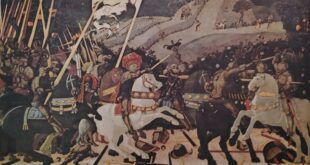
The medieval period in England was brought to a close by the feudal Wars of the Roses.
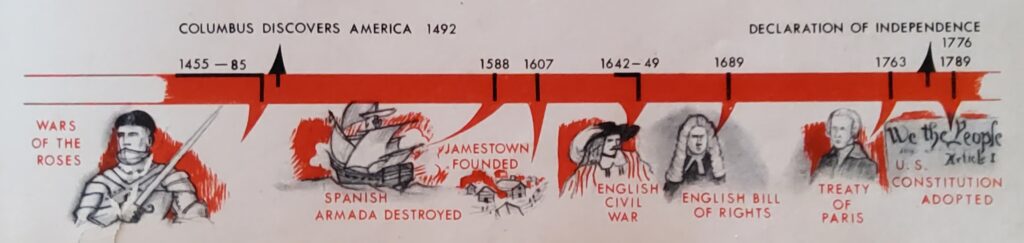
This was a civil war from 1455 – 1485 A. D., between two rival branches of the royal family that wanted the throne. It greatly weakened England and brought in a new dynasty, the Tudors, who were to rule England for more than a hundred years.
The first Tudor king was Henry VII (1457 ‐ 1509 A. D.), who united in his lineage, both sides of the royal family. He spent his reign increasing the power of the throne. In spite of opposition, this was not too difficult, because some of the restraints which had checked previous rulers, had been removed. Many of the feudal nobles had been killed in the civil war. Henry disposed of those who made trouble for him and seized their estates. The Church was in a listless, inactive period. The middle-class businessmen favoured, as they did in other parts of Europe, a strong royal authority which could bring law and order, stable coinage and freedom, from feudal taxes.
Henry VII made suitable appointments. He was advised by a Privy Council which included some of England’s greatest scholars and statesmen. Some of the council were made judges of the Star Chamber, a special court appointed to keep down the rebellion of “overmighty subjects.” A lord lieutenant was appointed for each shire, to train a local militia for the defense of the kingdom.
The tradition of local government was maintained. In the parishes the priest, churchwardens and representatives cared for the poor, kept up roads and bridges, did relief work among the sick and disabled. Each parish had a constable to prevent crime. The justices of the peace tried and punished law-breakers. Most officials received little or no pay; it was considered an honour and a privilege, to serve one’s country.
Henry VII sent men abroad to seek markets and make trade agreements. England’s commerce continued to grow. In 1497, shortly after the discovery of America, an Italian navigator John Cabot, was employed for a voyage to the new continent. His discoveries were not followed up at the time, but they gave England a basis for future claims.
Henry VIII broke with the Roman Catholic Church.
Henry VII left to his son a prosperous country where law and order had been re-established. His son, Henry VIII, was a typical Renaissance prince: a strong, attractive, intelligent man, interested in humanism, religion, poetry and music. He was skilled in hunting, tennis, swordsmanship and lived a vigorous and active life. Henry VIII could meet people of all classes easily and so achieved a wide popularity, as he laughed and jested with them. His subjects called him “Bluff King Hal.”
The young king was a religious man and Pope Leo X conferred upon him the title “Defender of the Faith”, for his writing against the teachings of Martin Luther. His principal adviser was a churchman, Cardinal Thomas Wolsey.
Before his death, Henry VII had arranged the marriage of 18-year-old Prince Henry to Catherine of Aragon, the widow of Henry’s older brother. Since canon law forbade a man to marry his brother’s widow, the pope granted Henry a dispensation, or exemption, from that particular Church law. Six children were born to Catherine and Henry, but only the Princess Mary survived and her ill-health, seemed to forecast the end of the dynasty. The king then became attracted to Anne Boleyn (1507 – 1536), a pretty young woman in the queen’s court. He decided to apply for a divorce.
Cardinal Wolsey petitioned the pope on the grounds that Henry’s marriage to his brother’s widow was invalid. The pope hesitated to overrule the dispensation, that made the marriage possible. Moreover, in 1527, the armies of Emperor Charles V, were gaining control in Italy. Charles would resent an annulment that would humiliate his aunt.
Henry VIII became impatient at the delay and took matters into his own hands. Wolsey was thrown into prison, where he soon died. Henry called Parliament into session to pass legislation, which would make it possible for him to divorce his wife and marry Anne Boleyn. The Act of Supremacy, passed in 1534, made the king the head of the Church in England.
Anyone who swore to support this act, swore to deny the pope. Sir Thomas More (1478 – 1535), was among those who refused to deny the authority of the pope. Although he had been the king’s close friend and adviser, he was beheaded. In general, loyalty to the king and patriotic opposition to the influence of foreign churchmen, led most people to support the Act of Supremacy.
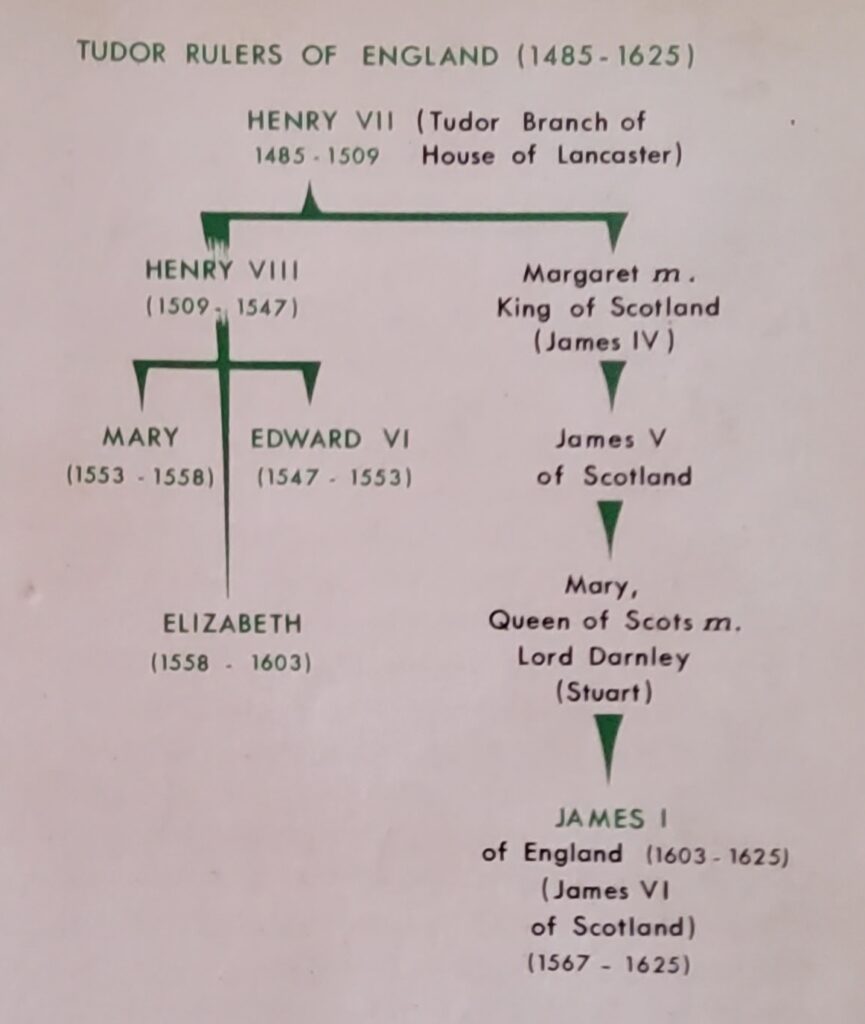
In all, Henry was married six times. To Anne Boleyn was born a daughter, Elizabeth; and to Jane Seymour, a son, Edward. Both children later reigned, as did the Princess Mary.
Religious problems continued to vex England under the later Tudors.
Henry VIII was followed by his son, Edward VI (1537 – 1553), who lived to be only fifteen. The two daughters of Henry VIII who reigned after Edward, were women who had inherited much of the drive and force of will, of their father. Both were profoundly affected by the unhappy experiences of their mothers. Mary was devoutly Catholic; the humiliation of her mother’s divorce and the disfavour of her father had embittered her. Elizabeth remembered the execution of her mother, Anne Boleyn; her early years of uncertainty and insecurity.
After Mary became queen, she began a “Counter-Reformation”, in an attempt to reverse the changes that had been made. Archbishop Cranmer, who had been the head of the Church of England, was burned at the stake; others were executed or punished.
In 1554, Mary aroused resentment when she married the Spanish prince who, in 1556, became King Philip II. Philip’s interest in Mary was superficial. Within a year, he abandoned her and returned to Spain. England and Spain were just then entering a period of national rivalry. Philip had the best army in Europe. Besides his colonies in the Americas, he controlled the Netherlands, Naples, Sicily and Milan. Englishmen realized that Spanish control of the Low Countries, could interfere with the market for English wool and the ports could be used, as bases for an invasion of England. English merchants and mariners were determined to share in the wealth of the New World.
Mary ruled only five years before she died and her half-sister, Elizabeth I, assumed the throne. Elizabeth promptly restored the Anglican Church and the anti-Spanish policy. Catholic Europeans believed that according to rules of inheritance, the rightful heir to the throne should have been Mary Stuart, queen of Scotland and a great-granddaughter of Henry VII.
Although Philip II had had no real part in governing England with Mary, her death dashed his hopes of ultimately controlling England. Through his ambassador in London, he supported the English Catholics in their attempts to put Mary, Queen of Scots, in Elizabeth’s place. Mary had reigned two years as queen of France, before the early death of her husband, Francis II. After his death, she returned to Scotland.
Her native land was a country of violent politics, where feudalism still existed and where the Highland tribes led semi-civilized lives. She married a Scottish noble, who was murdered and then married another Scottish noble, who died insane. She was opposed by John Knox, who had introduced Calvinism to Scotland. Knox greatly disapproved of the religion and private life of the queen.
Mary seems to have made many mistakes and her Scottish subjects finally revolted against her. She sought refuge with her cousin Elizabeth, but was soon imprisoned.
Mary soon became implicated in a plot against Elizabeth’s life. In the event Elizabeth died, Mary would have succeeded to the throne. Parliament decided that the queen’s life would be in danger, so long as Mary lived, so Elizabeth ordered her executed in 1587.
Mary had left her son James in Scotland. By the consent of England and Scotland, he later became king of both countries.
The English dealt a death blow to Philip’s hopes of ruling England.
It was suspected that Philip II had been partner to the plot to assassinate Elizabeth. After the plot was uncovered, Elizabeth used every trick she knew to fight him. Throughout her long reign of almost fifty years, she kept her country out of war, but under cover, she helped the Dutch in their rebellion against Philip. She encouraged attacks on Spanish settlements in the New World and raids on the treasure-laden Spanish galleons. It is said that she gave Francis Drake the nod to “singe the king of Spain’s beard” by destroying Spanish shipping. It is certain, that she knighted him, when he raided the ports of the Caribbean and brought home a load of gold, which the Spaniards had previously taken from the Incas of Peru.
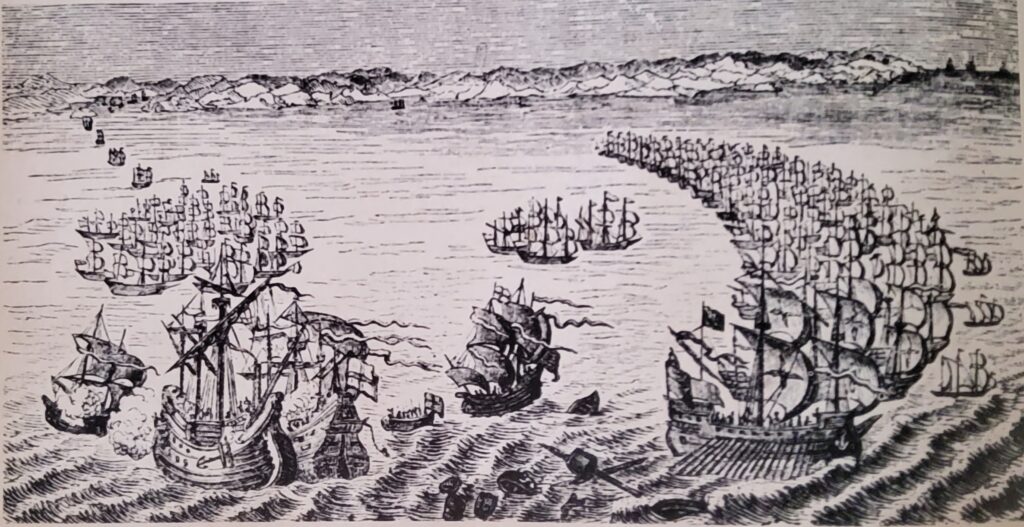
Mary’s execution induced Philip to invade England. A victory for his great fleet, the Invincible Armada, would dethrone Elizabeth. Perhaps the presence of the Armada in that area would help in crushing the revolt of his Dutch subjects. Finally, he reasoned, a raid on England would take him out of events in France, where he had let himself become involved in the religious war, between Catholics and Huguenots.
The ill-fated Armada set out on its mission in 1588. The Dutch blocked the main ports in the Low Countries and prevented the Spanish army there from being taken aboard the Armada. The Spanish fleet was engaged – by English ships whose captains had gained experience with such leaders as Drake. They trounced the Armada. The Spanish mariners attempted to escape by sailing north around Scotland. Here they met with severe storms and many more vessels were lost. This naval disaster was a serious blow to Spain. She continued as an important power for a century after this time, but her influence in the affairs of northern Europe was lessened. England remained Protestant and soon became a great naval power. The Dutch rebellion succeeded. English national pride and influence increased.
The Elizabethan Age climaxed England’s Renaissance.
The wars and turmoil of Queen Elizabeth’s day did not prevent a rich development of the arts; perhaps they stimulated it. England was prosperous. She was becoming aware of the world; she was becoming conscious of her history and of Europe’s history and literature. The writings of Shakespeare alone, would have made the period a literary epoch, but he was supported by other able dramatists, such as Christopher Marlowe and Ben Jonson.
Although the Renaissance came late to England, it stimulated the universities to become vital intellectual centres again. The influence of classical studies led to the development of a group of poets at the court. Translations from other languages were popular, including Chapman’s versions of the Iliad and Odyssey. The architecture of the period was distinctive enough to be called Tudor. There was considerable interest in music and painting, but little that is memorable was produced by native artists. The Italians and Germans who flocked to England included the younger Holbein. Among the portraits he painted, is the notable character study of Henry VIII.
ENGLAND UNDER THE STUARTS
The Stuarts did not achieve popularity like the Tudors.
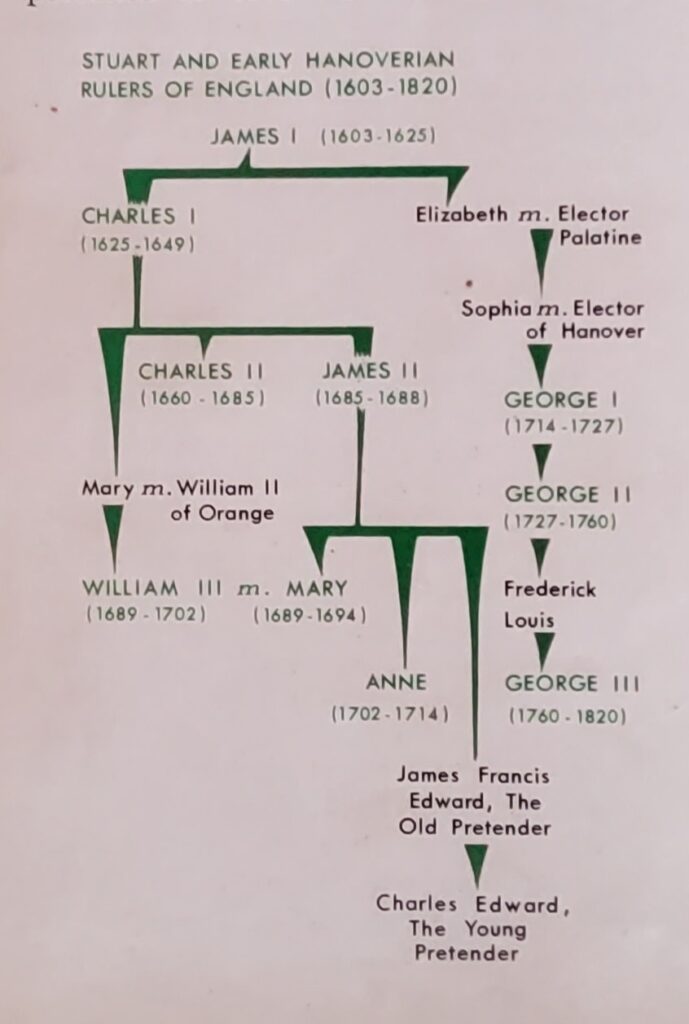
The Tudor dynasty ended with the death of Elizabeth in 1603 A. D. The succession passed to James VI of Scotland, through his descent from the daughter of Henry VII. As king of England, he is known as James I. The two countries had the same monarch, but remained separate and independent for the next hundred years.
In comparison with his mother, the glamorous Mary, Queen of Scots, James was a drab, cold, colourless man. Although he was well-read, he did not seem to understand English political traditions and parliamentary workings. In his first speech to Parliament, he made it plain that he believed a king ruled by divine right and that he intended to be an absolute monarch.
Almost at once, James became involved in disputes over religion. Within the Church of England had grown a group, known as the Puritans, who wanted to “purify” the Church. Influenced by the teachings of John Calvin, they had come to believe that the English Church was too close to Catholic ritual and doctrine. Some wanted to do away with the formal organization of the Church, with bishops and archbishops. Some objected to stained-glass windows, pictures of the saints and elaborate services. Many ministers became known as Nonconformists because they would not conform to, or follow, certain parts of the Anglican ritual.
James had little patience with the Puritans, for they attacked him as head of the Anglican Church, but he did authorize minor changes in the Book of Common Prayer, as well as a new translation of the Bible. This translation, the King James Version, was published in 1611 and was the standard version used by most English-speaking Protestants, for generations. The beauty of its language made it one of the high achievements of English literature and popular with all classes.
James’ quarrels with Parliament led him to dismiss it and to rule without it for ten years. His unpopularity was heightened when the religious Thirty Years’ War broke out. English Protestants wanted to aid the German Protestants, who were led by James’ own son-in-law. James refused and the first phase of the war, resulted in Catholic victories.
The quarrel between king and Parliament came to a climax under Charles I.
Upon James’ death, his son Charles (1600 – 1649 A. D.), inherited his throne and his problems. The new king was a personable, gracious man, but he chose unpopular advisers and insisted upon absolute royal power.
England found itself at war with Catholic Spain. Parliament hesitated to provide the needed money. Meanwhile, Charles involved himself in a war with France. He raised money for the war with France by forcing loans out of some wealthy subjects and by quartering troops in private houses, at the owners’ expense. These and other offenses resulted in Parliament’s handing Charles a Petition of Right in 1628, which by his consent, limited the king’s powers. This document declared it unlawful to: (1) make loans or secure taxes without permission of Parliament; (2) imprison people without proper legal procedures; (3) billet soldiers in private homes; (4) rule by martial law in times of peace; (5) imprison a freeman without a specific charge and regular legal procedures.
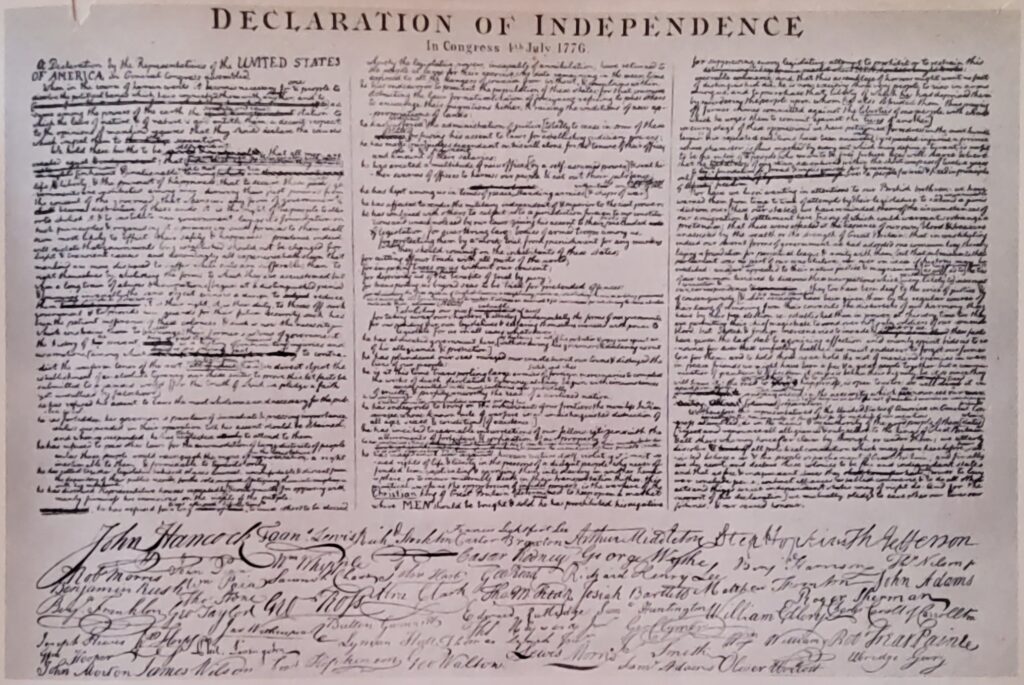
The Petition of Right is regarded as one of the great documents, in the development of representative government and in the history of human freedom. It attacked some of the same evils, which Americans later protested against, in the Declaration of Independence.
Charles agreed to the Petition of Right in order to get money from Parliament, but he soon broke his promise. Parliament protested his breaking of his agreement. In turn, Charles dissolved Parliament in 1629 and for the next eleven years, ruled without one.
Next, Charles brought about religious unrest. He appointed William Laud as Archbishop of Canterbury and charged him to get rid of the Puritan movement. Laud’s policy of forcing every church to follow the ritual and organization of the Anglican High Church, led directly to thousands of dissenters settling in New England. When Charles commanded the Scottish Presbyterians to conform, they rebelled and raised an army. The king could not raise an army strong enough to defeat the Scots, so he was forced to call Parliament to his rescue.
England was torn by civil war from 1642 to 1649.
Parliament, thoroughly anti-Anglican, had no sympathy for Charles and refused to vote any money, until he would help settle the grievances that had been accumulating for nearly forty years. Charles dissolved it, but riots in England and an invasion of Scots, made him change his royal mind. The Long Parliament sat for nearly twenty years and built-up its powers to match the king’s. It abolished the Star Chamber, the official royal court, which had become an instrument the king used to punish his enemies and to force loans and gifts. It provided that Parliament should meet every three years and proceeded with a plan to make all England Puritan, to control the army and to control the king’s Privy Council.
Both Charles and the Parliament raised armies, Civil war broke out in 1642 after the king attempted to enter the House of Commons and arrested five leaders opposed to him. His action violated a long tradition that the ruler does not enter this chamber.
Charles’ followers were called Cavaliers, for the king and his men wore wigs that fell over their shoulders, in the prevailing fashion of the day. The radical Puritans favoured a simpler “crew cut” style. They and the other Parliamentarians were dubbed “Roundheads”.
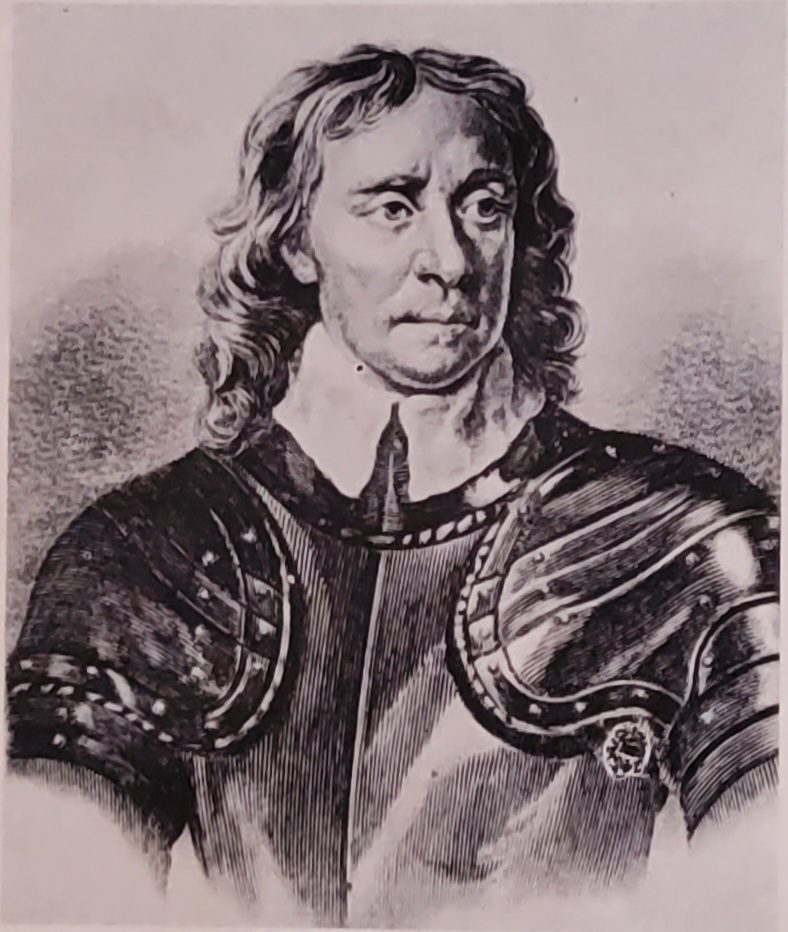
In the end, the king and his Cavaliers were defeated, because the Roundheads had greater economic resources, control of the sea and the superior military leadership of Oliver Cromwell (1599 – 1658 A. D.). Cromwell recruited ardent Puritans who believed that the king was the enemy of their religious faith. Under strict discipline, he drilled them into an elite corps that went into battle singing hymns and became such a strong fighting force, that people called them “Cromwell’s Ironsides.”
After his defeat, Charles was brought to trial before a special high court. He defended himself on the basis of royal authority and maintained that since he was the law, he could not break the law. “The king could do no wrong.” The court, however, found him guilty and sentenced him to be executed. Many who had disagreed with his policies, came to regard him as a martyr and considered his execution a profound mistake.
England became a commonwealth under Oliver Cromwell.
The king’s execution left Parliament as the government of England. That body, “purged” of all who had favoured the king, abolished the House of Lords, declared that a king was not needed and made England a commonwealth.
In 1653 Cromwell, backed by his army, overthrew the Commonwealth and set up the “Protectorate.” As the Lord Protector, Cromwell had a council and a Parliament to assist him. He divided the country into twelve military districts, each under a major general and set about unifying the nation.
The latter he could not do. There was no reconciling the High Church party, the Presbyterians, the Independents and the other religious factions. Although Cromwell opposed them, the more radical Puritans tried to impose their rigid beliefs on all the people. Cockfighting and bearbaiting were prohibited; dancing, cardplaying and colourful fashions, were opposed. Theatres were closed. Parliament even forbade the celebration of Christmas day. Thus, “Puritan” took on a special meaning.
The Stuarts, though restored to the kingship, were eventually overthrown.
Oliver Cromwell died in 1658 and was temporarily succeeded by his son Richard. Two years later, a new Parliament was elected. It soon invited the exiled son of Charles I to return as Charles II, it was understood that he must rule through Parliament.
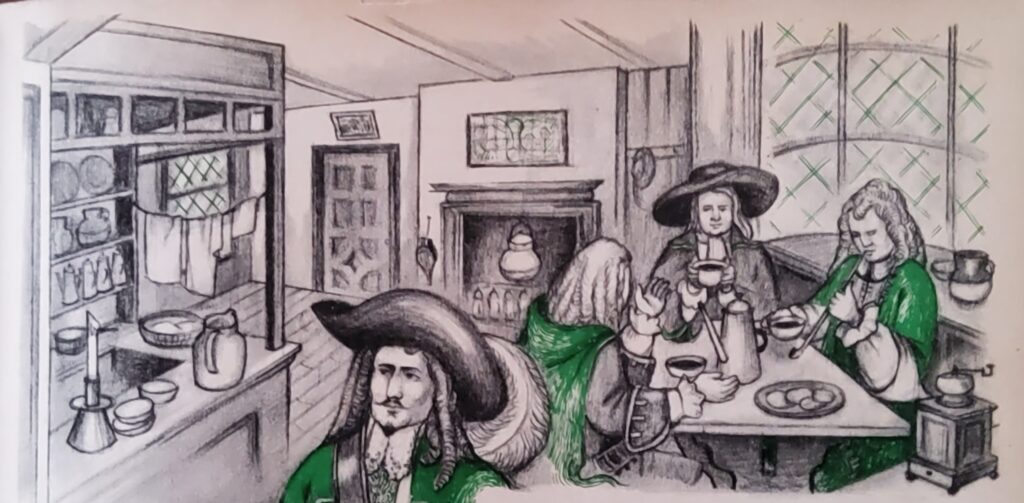
The period that followed, is called the Restoration. The new king was an intelligent man. He had learned from his father’s example and was determined to avoid trouble. His court life was gay, colourful and the reaction against Puritanism, brought a lower moral tone. Theatres were reopened, farces and comedies were produced. Coffeehouses became popular meeting places.
An important event in the reign of Charles II proved to be a big step toward freedom. In 1679, the Habeas Corpus Act was passed. This act made it possible for an arrested person to secure a writ, forcing his jailer to show cause for his arrest. It also provided that an accused person, must be given a speedy trial.
When Charles died in 1685, he was succeeded by his brother, James II. He had been married to a Protestant Englishwoman, Anne Hyde and had two daughters, who were regarded as his probable successors. After Queen Anne’s death, he married Mary of Modena, an Italian princess, who was a Roman Catholic. When their son was born, English Anglicans and Puritans alike, feared that they were faced with a Catholic royal family.
Fearing the fate of Charles I, James fled to France. Since the throne was vacant, it was a simple matter for Parliament to shift rulers. In 1688 it invited William, the Protestant ruler of Holland and his wife Mary, to come to England. (Mary was the elder daughter of James II and William was the grandson of Charles I.) At William’s insistence, they were proclaimed joint rulers, as William III and Mary II.
The fact that William and Mary became king and queen by the invitation and consent of Parliament, indicated a break-up of the historic belief in royal power. The power to rule was now vested in Parliament: the sovereigns henceforth could reign, but not rule. This shift in the power to rule was a real revolution. It became known as the Glorious Revolution or as the Bloodless Revolution, because it was achieved without war.
The Bill of Rights was added to the tradition of Magna Carta and the Petition of Right.
Parliament limited the powers of the new rulers by enacting, in 1689, the Bill of Rights, another strong document in the history of freedom. Among other things, Parliament asserted that it is illegal to make or suspend a law, for the king to levy money, or to keep a standing army without the consent of Parliament. A citizen may keep arms; he may petition his king for a redress of grievances. Excessive bail shall not be demanded. Jurors shall be duly impanelled and returned. Parliament should meet frequently and have freedom of debate in its sessions.
In 1689, Parliament also passed the Act of Toleration, which permitted all persons except Unitarians and Catholics, to worship as they pleased. Freedom of the press, another important liberty, was also gained.
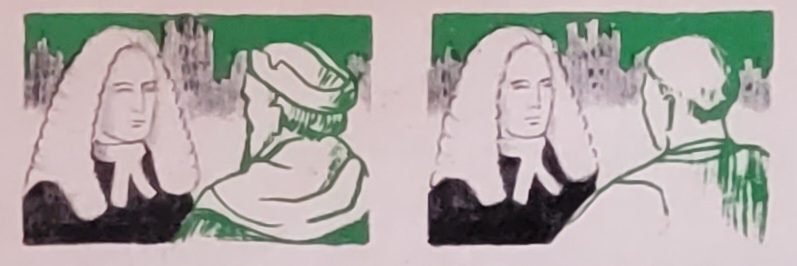
One of the men who made the Glorious Revolution possible was John Locke, the famous philosopher. He believed and wrote, that government is founded upon the consent of the governed. Jefferson’s “life, liberty and the pursuit of happiness” had been in Locke’s writing “life, liberty, and property.”
LINKING THE PAST AND THE PRESENT
The history of modern Britain is a story of great vicissitudes. The nation has had supreme successes and epic disasters. Through it all, the British have preserved and extended the parliamentary system. In times of military defeat or economic depression, the British have kept the faith that they will “muddle through” and have not turned their priceless heritage over to, demagogues and dictators.
The present generation is well aware of its problems, of the slipping away of the once vast empire, of the relative loss of international power. Still the government continues at Westminster and the people believe that its flexibility, derived from free debate, democratic elections and the two-party system, will continue the way of life they cherish.
THE BRITISH EMPIRE ESTABLISHED
European nations engaged in a race to found colonies.
The English, French and Dutch, refused to allow the Spanish and Portuguese to monopolize the New World. Nations laid claim to lands which their agents had explored. By exploration, trade, war and colonization, England managed to secure the largest share of the world’s colonies.
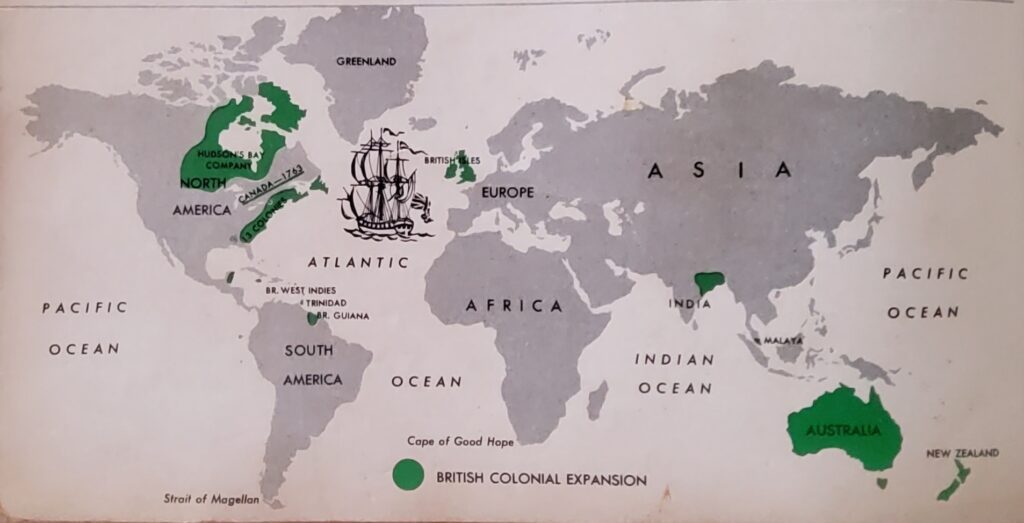
In 1497, during the reign of Henry VIl, John Cabot sailed to Newfoundland and touched upon the eastern coast of North America, giving England a claim to this region. It was not until 1607, however, that the first permanent English settlement was made at Jamestown, Virginia. In 1620, a group of dissenters, seeking religious freedom for themselves, founded a colony at Plymouth. We call them the Pilgrims, differentiating them from the Puritans, who founded Massachusetts Bay Colony. The religious quarrels in England, caused many people of several faiths to emigrate to the colonies.
Trade also extended the British Empire. On December 31, 1600, Queen Elizabeth granted a charter to the East India Company, giving it the sole right to trade with countries lying beyond the Cape of Good Hope or the Straits of Magellan. At the time, the new company was much less important than the Levant (or Turkish) Company, which carried on trade with Persia and Turkey. Yet at a later time, the East India Company was to become a controlling factor in the affairs of India and one of the most important influences in the British Empire.
As a result of success in war, England was able to secure the holdings between the St. Lawrence River and Florida, in which were founded the thirteen colonies that were to become the United States. English language, law and customs, were established in them. They were in many ways self-governing, although their courts, legislatures and laws, operated along English lines. English culture has so significantly stamped American life that today, American traditions are more like England’s, than those of any other country.
England and France fought a duel for colonial possessions.
Beginning with the reign of William and Mary, England and France began a series of wars, which lasted for approximately 125 years. In this long period of conflict, the date 1763 is very important. England and her allies had won important victories and France was compelled to sign the Treaty of Paris, in that year. This military and diplomatic triumph was largely due to the abilities of a great prime minister, William Pitt. Since his son also achieved distinction, they are distinguished as Pitt the Elder and Pitt the Younger.
England dominated North America as a result of this treaty. She then possessed Canada and the lands from the Mississippi Valley eastward. She held islands in the West Indies and parts of the mainland of Central and South America.
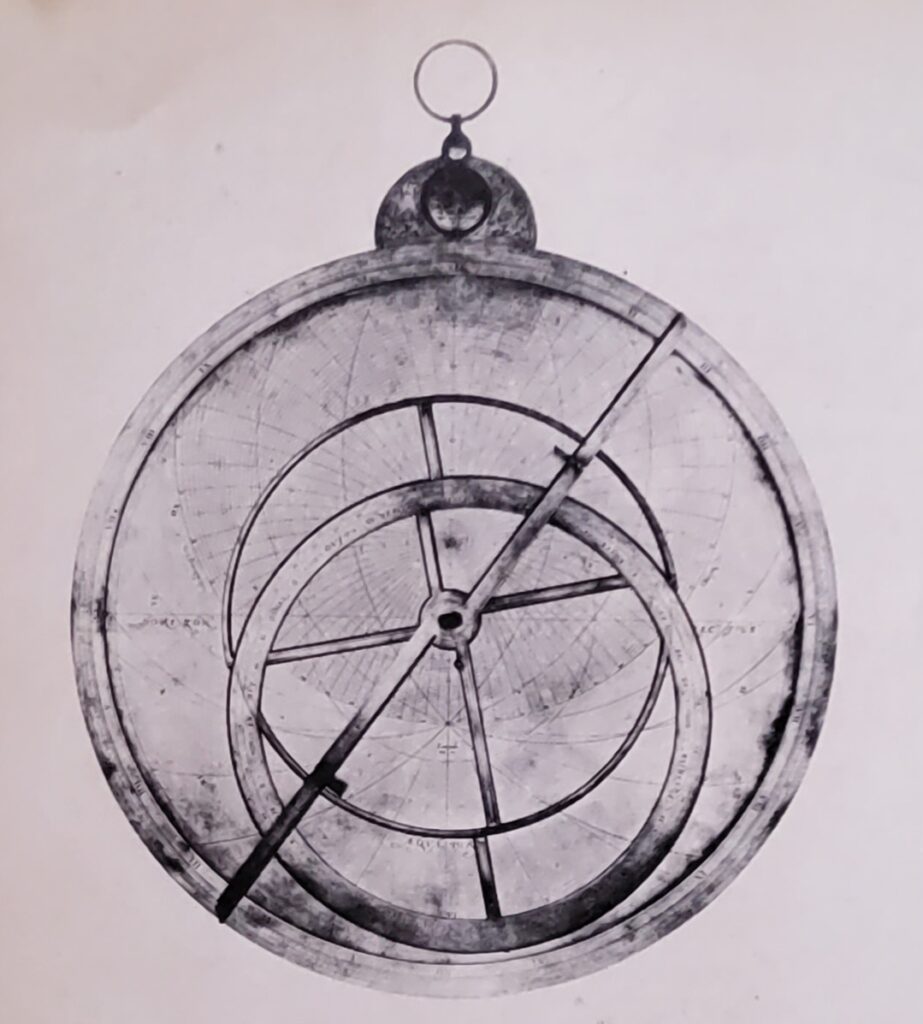
In Asia, the efforts of the East India Company and the great leader, Robert Clive (1725 – 1774), resulted in the virtual expulsion of France from India. The British followed up the victory by establishing bases at the Cape of Good Hope and in the Malay Peninsula. An extensive trade with China was carried on. Captain Cook was sent on an exploring expedition into the Pacific, which resulted in England’s claiming Australia and New Zealand.
Thus England, a small island kingdom off the coast of Europe, with a relatively small population, secured an empire which was to become the greatest single political organization of modern history. This development carried the ideas of English law and justice to every continent. In time, English became the most widely used language in the world.
BIRTH OF THE UNITED STATES
Many political changes took place in England after 1700.
William and Mary died childless and were followed by Anne, another daughter of James II. The outstanding event of her reign was passage of the Act of Union, providing that England and Scotland should be united in one kingdom, Great Britain. Becoming effective in 1707, this act brought a peaceful close to a long period of separation and at times, of hostility and war. The Scots were granted the right to trade with all of England and the English colonies. They were to have representation in both houses of Parliament. They retained their own church and certain local laws and customs.
Queen Anne’s death without surviving children, resulted in a new dynasty. Parliament again selected the ruler. Other persons of closer blood relationship were passed over and George, Elector of Hanover in Germany, was made king, as George I. Thus, Parliament again proved that it could decide who should be made king of England.
George I and his son George II never quite accustomed themselves to life in England, but they were wise enough to seek the advice of Parliamentary leaders. The old Privy Council was transformed and began to appear as a Cabinet, composed of heads of executive departments, with a prime minister as its head.
Two parties had taken form in England. The Tory party was aristocratic and favoured old ways and traditions, including strong royal authority. The Whigs favoured the trends toward parliamentary government. For many years, Robert Walpole was the leader of this party and he became the first prime minister.
Just before the Treaty of Paris was signed, George III (1738 – 1820), began the longest reign of any English king. Some of the mistakes he made had important consequences, in Europe and in America. He favoured the Tories and sought to gain control over Parliament by bribery. His actions intensified political differences among his subjects.
Meanwhile in America, the people of the thirteen colonies were developing self-confidence and were feeling increasingly independent of the mother country. They had participated in the wars with France and such men as George Washington, had made creditable military reputations. Benjamin Franklin was respected in Europe as a scientist, writer, and public official. Colleges such as Harvard, Yale, William and Mary, Princeton and others, were producing graduates who became eminent in law, in the ministry and in other professions. Cities like Philadelphia, were second only to London in the English-speaking world and there were many successful businessmen and merchants.
The issues that brought about conflict between the mother country and the colonies were largely economic. They concerned matters of taxation, trade, commerce and the production of goods.
England and other European countries held the view that a colony existed for the benefit of the mother country and should supplement its economic system. This was mercantilism. English laws prevented the Americans from manufacturing goods that would compete with English industries. Only British ships could be used in exporting American goods, either English or colonial. The Molasses Act of 1733, required that the colonists import only British-grown sugar, thereby cutting-off the supply from the French colonies and striking a blow, at the New England rum distilleries.
Problems of taxation resulted from the French wars and the debt and expenses they had brought to Britain. Parliament decided to tax the Americans for the support of an army of 12,000 men. The colonists felt that such an army was unneeded, because the danger from France and Spain had been removed. They also resented the presence of a standing army in times of peace.
To support this army, Parliament passed the Stamp Act in 1765. The colonists immediately opposed this violation of old English principles. The cry, “No taxation without representation!” soon resounded from Massachusetts to Georgia.
The British government repealed the Stamp Act, but another act placed duties on glass, paper, lead, and tea. So strong was American feeling against this law that its enforcement would have cost more than the tax it would bring in. George III was angry, and the majority in Parliament supported him. Most of the taxes were dropped, but that on tea was kept to maintain the principle of Parliament’s right to tax. In reply, Americans held the celebrated Tea Party, dumping a shipload of tea into Boston Harbour.
The Revolutionary War resulted in an American victory.
The British reprisals against Boston brought open conflict in 1775. The war seemed to be a civil war among English-speaking peoples. Many Englishmen, particularly the Whigs, sympathized with the colonists, while Tories in America continued to support the king. The British had the advantages of their trained army, navy and their large financial resources. Nevertheless, they badly mismanaged the war, from both political and military standpoints. The calm leadership of George Washington, overcame the handicaps he faced with ill-supplied troops.
France, Spain and Holland made war upon England, too. The presence of Lafayette brought much encouragement to the Americans. The French fleet and army, helped to make possible the British surrender at Yorktown.
In 1783, with the signing of the Treaty of Paris, England recognized the colonies as free. The British position was quite different from that achieved by the previous Treaty of Paris in 1763. From a world’s point of view, American independence gave the cause of constitutional government a powerful boost.
America contributed some famous documents to the world.
The Declaration of Independence in 1776 and the United States Constitution in 1789, became important influences in the development of free governments elsewhere in the world. Before a half century had passed, Mexico, the South American states and many nations in Europe, were inspired to seek self-governance under written constitutions.
Ideas can never be confined within geographical boundaries. For example, during this period, ideas which originated in England, France and the United States – appeared, interacted and reappeared. It would seem that Western civilization was ripe for the appearance of democratic process, to all.
CULTURAL PROGRESS
Puritan culture was serious; the Restoration culture was more frivolous.
Since culture is a broad and inclusive term, we may expect to find the political, social and economic life of a people, linked with their expression in the arts and sciences. Puritan writers developed a theological theme. John Milton (1608 – 1674), wrote Paradise Lost, an epic poem dealing with heaven, hell, God, Satan, Adam and Eve; and the beliefs of Protestant Christianity. John Bunyan (1628 ‐ 1688), represented a poorer, less educated class of Puritans. His great work, Pilgtim’s Progress, reflects his religious environment.
England produced a number of clever poets and playwrights during the Restoration period, but no great contribution was made to world literature. John Dryden wrote poetry, plays, satire and criticism. The witty and flippant Diary of Samuel Pepys (1633 – 1703), recorded the events of the day.
The English seemed to excel in writing when ruled by queens.
It may be only coincidence, but the reigns of Elizabeth I, Anne and Victoria, were noted for an unusual number of fine writers. Periodicals achieved excellence. The famous Spectator published the writings of Alexander Pope, Joseph Addison and Richard Steele, all masters of style. The great satirist, Jonathan Swift, wrote Gulliver’s Travels, which is widely used as a children’s book, although this was far from the author’s intention. A newspaper item about a shipwrecked sailor led Daniel Defoe to write Robinson Crusoe, perhaps the most widely read story in the English language.
Dr. Samuel Johnson became a great literary critic. His judgments upon style and quality were widely accepted. We know him well through his friend and able biographer, James Boswell.
Poetry continued at a high level. Robert Burns wrote lyrics in the Scottish dialect. Thomas Gray’s Elegy Written in a Country Churchyard, is widely read and quoted. Its opening is:
The curfew tolls the knell of parting day,
The lowing herd wind slowly o’er the lea,
The ploughman homeward plods his weary way,
And leaves the world to darkness and to me.
The story is told that General Wolfe received a copy of this poem just before he advanced upon Quebec, the most decisive battle in the wars for the possession of Canada. He read it to his officers and said, “I had rather be the author of that poem than take Quebec.”
A new field for writers was opened in 1741, when Richardson’s novel Pamela was published. His classic Tom Jones, was published in 1749. This literary form, which gives us an understanding of the people, attracted such writers as Jane Austen.
Between 1500 and 1820 the English made many contributions to science.
Sir Francis Bacon (1561 – 1626), a courtier in the days of Elizabeth and a famed lawyer under James I, was a serious student of philosophy and the newly emerging science. His contribution, the Novum Organum, appeared in 1620. “Human knowledge and human power are one,” he said, “and the object of science is to be the control of nature for man’s good.”
Bacon wrote on the inductive scientific method. One was not to start with a conclusion and prove it, in the way Euclid did his geometrical theorems. The conclusion was to be drawn only after the observation of many instances and the weighing of the evidence – pro and con. This method is called induction.
Chemistry had lagged behind physics. Robert Boyle (1627 – 1691), who is known for Boyle’s Law and other discoveries, advanced the science by setting up principles of research in his book Sceptical Chymist (old spelling). False ideas inherited from the alchemists, retarded the science; for example, combustion was explained by the presence of a mysterious substance called “phlogiston.” The discovery of hydrogen by Cavendish, of nitrogen by Rutherford and of oxygen by Priestley, provided a reliable foundation for further research.
An important discovery in biology and medicine was made by Edward Jenner. Smallpox was a serious epidemic disease. Many died from it and some of those who recovered, like George Washington, were disfigured. Jenner heard a milkmaid say that those who had had the cowpox, never thereafter had smallpox. As an experiment, he vaccinated a boy with a serum. When it proved successful, the first big step in modern preventive medicine had been taken. In the following century, research of a similar nature uncovered the cause of many diseases and other inoculations were discovered. Through these contributions, man’s life was prolonged and his general well-being promoted.
The long productive life of Sir Isaac Newton (1642 – 1727), overlapped several reigns and political movements, throughout which he continued his monumental mathematical and scientific investigations. Historians certainly include him, among the five greatest scientists of all time. During the Renaissance, Isaac Newton’s worked on calculus and the laws of gravity. His studies in dynamics and laws of motion, capped the researches of Copernicus, Kepler and Galileo, which had brought such great understanding of our solar and planetary system. As we work with jets and rockets, Newton’s law applies, “For every action, there is an equal and opposite reaction.”
The changing times affected architecture and painting too.
Christopher Wren, a contemporary of Newton, left an especially rich legacy to architecture. In 1666, a fire swept London, destroying much of the old medieval and Tudor city. After the fire, Wren designed so many of the important buildings of London, that it was said of him, “If you seek his monument, look about you.” Many New England churches, were built in his style.
Such factors as trade with the colonies, the opportunity to invest in government bonds and to buy shares in business enterprise on the stock exchange ,brought wealth to many English businessmen. This led to a period of elegant and gracious living, both in the cities and in the country. Fine houses, in the Georgian or classical style, were constructed. Many like them were built the colonies, so we sometimes use the term Colonial, for Georgian. Those at Williamsburg, Virginia, are among the best examples. These houses were furnished with the hand-crafted furniture of great designers and cabinetmakers, among them was Thomas Chippendale and George Hepplewhite.
The English had depended upon foreign painters, but now there were competent native artists. Sir Joshua Reynolds and Thomas Gainsborough, were in demand as portrait painters. At the end of the century, landscape painting became popular, creating a demand for both English and foreign scenes. John Constable and Joseph Turner, made international reputations for themselves.
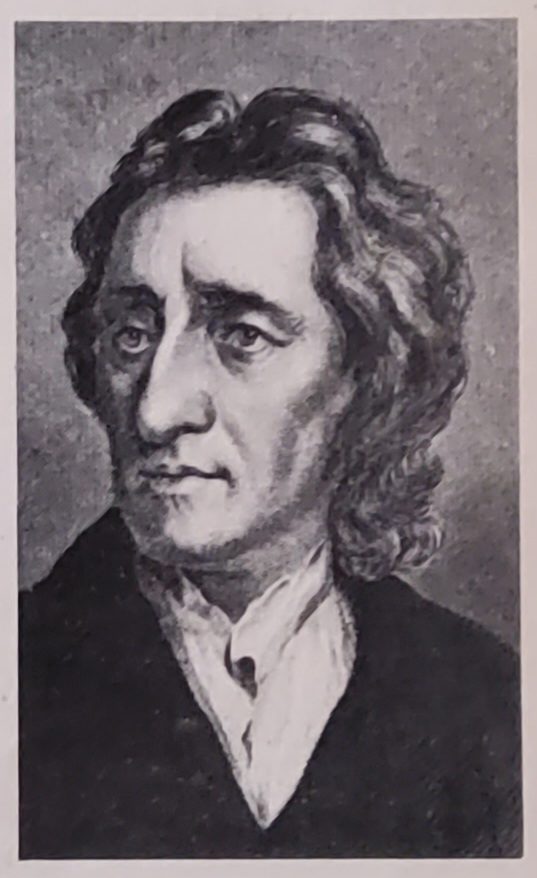
JOHN LOCKE — (1632 – 1704)
John Locke was an English philosopher who taught that government – the right to rule — depended upon the consent of the people. He may therefore be called the father of modern democracy. His ideas helped to overthrow the theory of royal absolutism or the divine right to rule. Today we would call Locke a social scientist. He also favoured upholding the dignity of the individual. These two basic concepts of Western society, were being challenged by the Soviet Union.
John Locke believed that the development of governments should be based upon compromise rather than absolute rule. His thinking was dominated by the theory that the best rule of conduct was “live and let live.” His teachings show that the “pen is mightier than the sword,” or that the writings of thinking men, have more influence upon future generations, than the accomplishments of military leaders. Locke’s ideas are expressed in his books, especially the Two Treatises of Government. From roots such as these, the tree of democracy developed in England and in the American colonies.