Topics
- People of the Ancient World (B.C. 4500 – A.D. 1)
- Middle Ages (500 A. D. – 1300 A. D.)
- Europe in Transition (1400 – 1650 A. D.)
- Rise of Modern Nations (1485 – 1825 A. D.)
- West Dominates the World (1763 – 1899 A. D.)
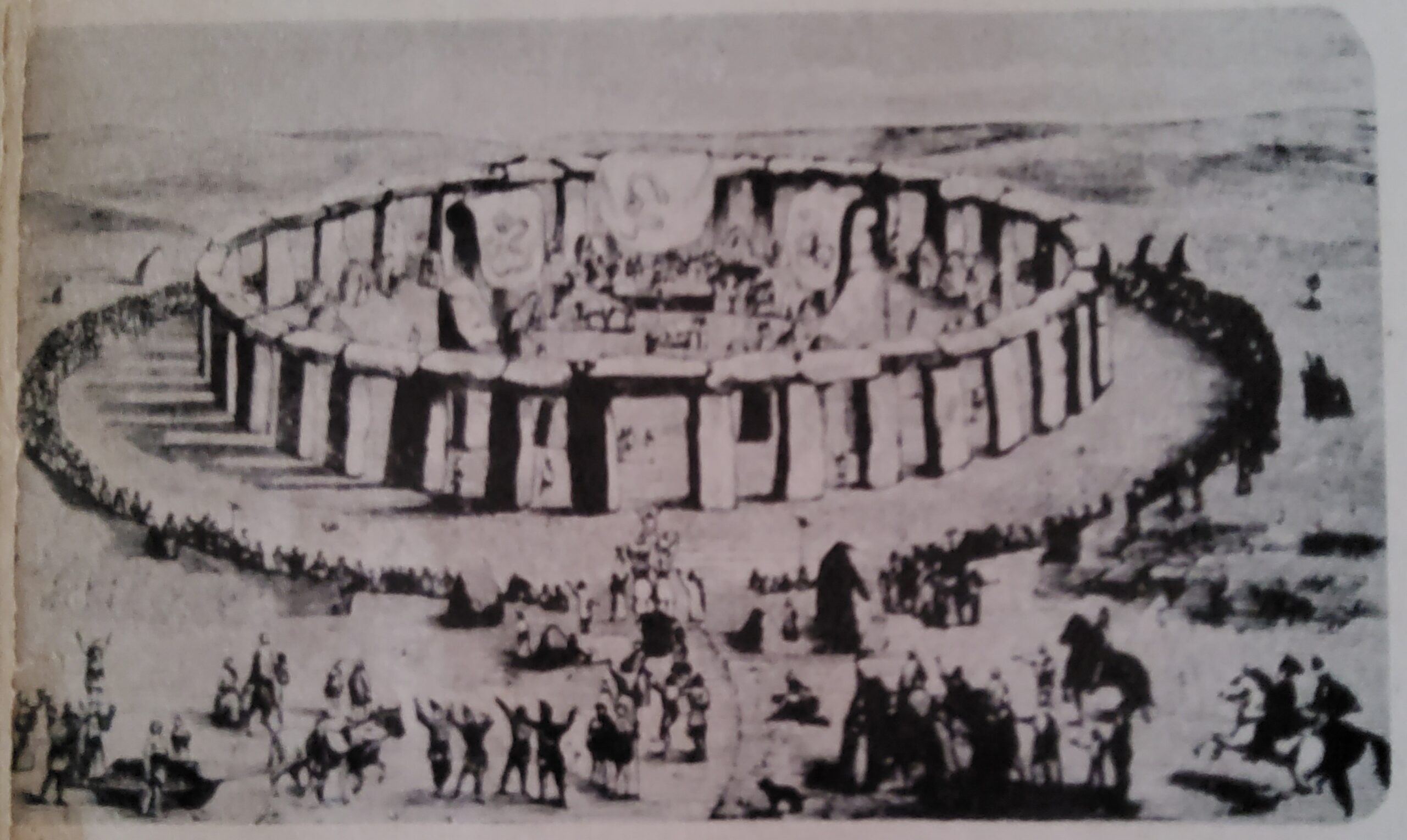
Prehistoric Ages of Man
Prehistoric ages of man include – the dawn of life on our planet, the tools and weapons of prehistoric man,
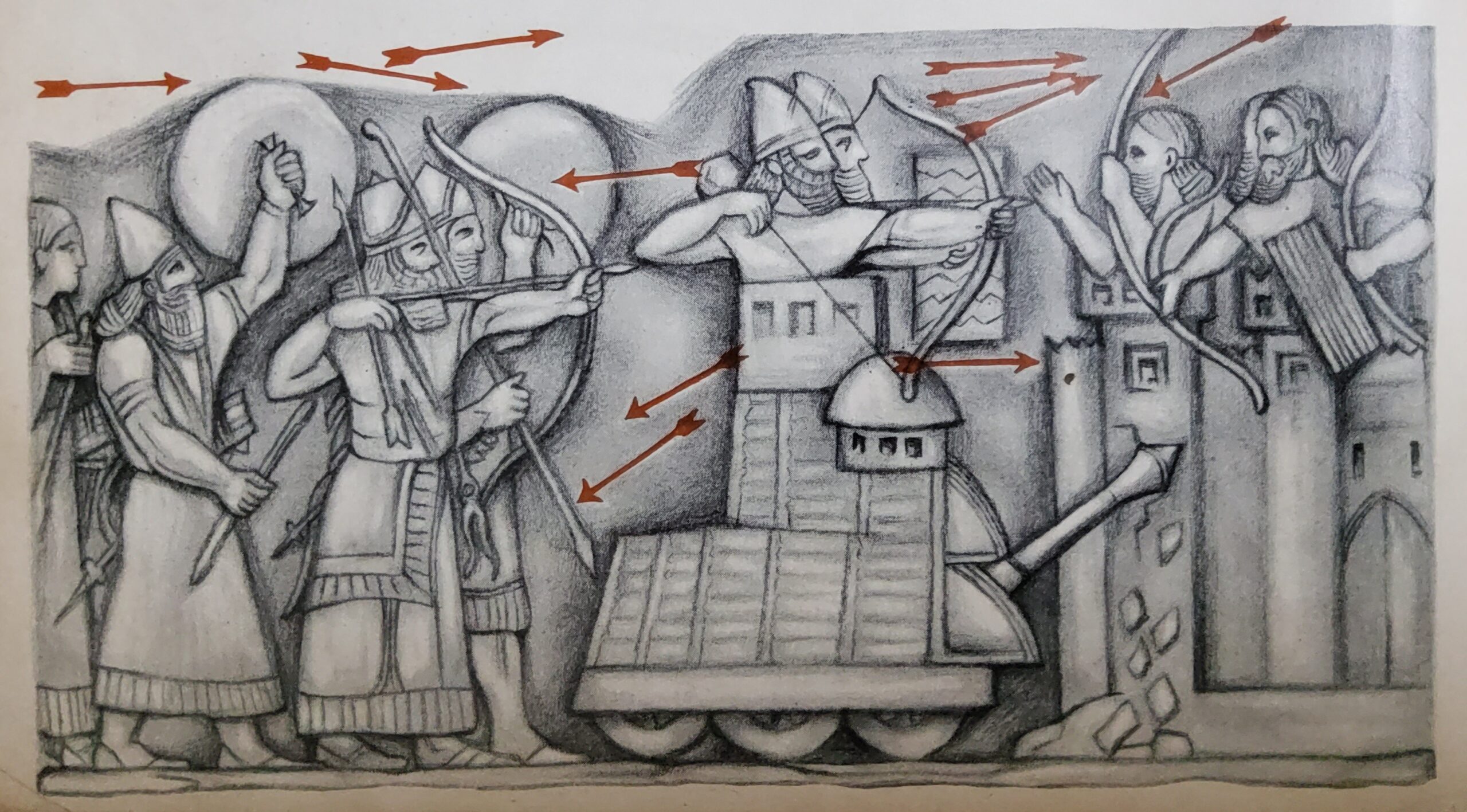
Kingdoms of the Ancient Middle East
Kingdoms of the ancient Middle East included the Egyptians, Hebrews and Phoenicians. The culture of a people is not regarded
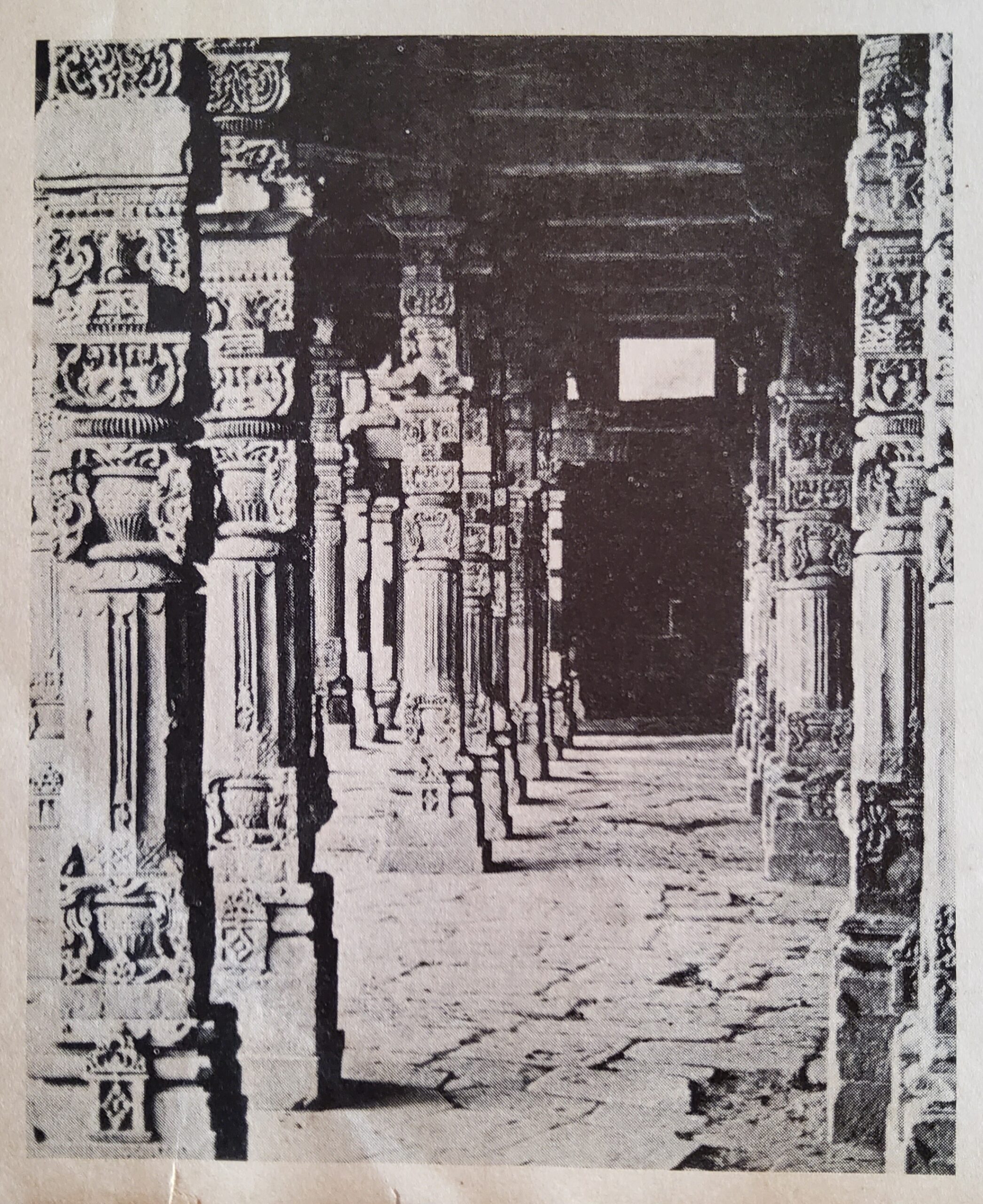
Ancient Far East
Ancient Far East, included the early Chinese people, the early Japanese people and the ancient civilization of India. The early
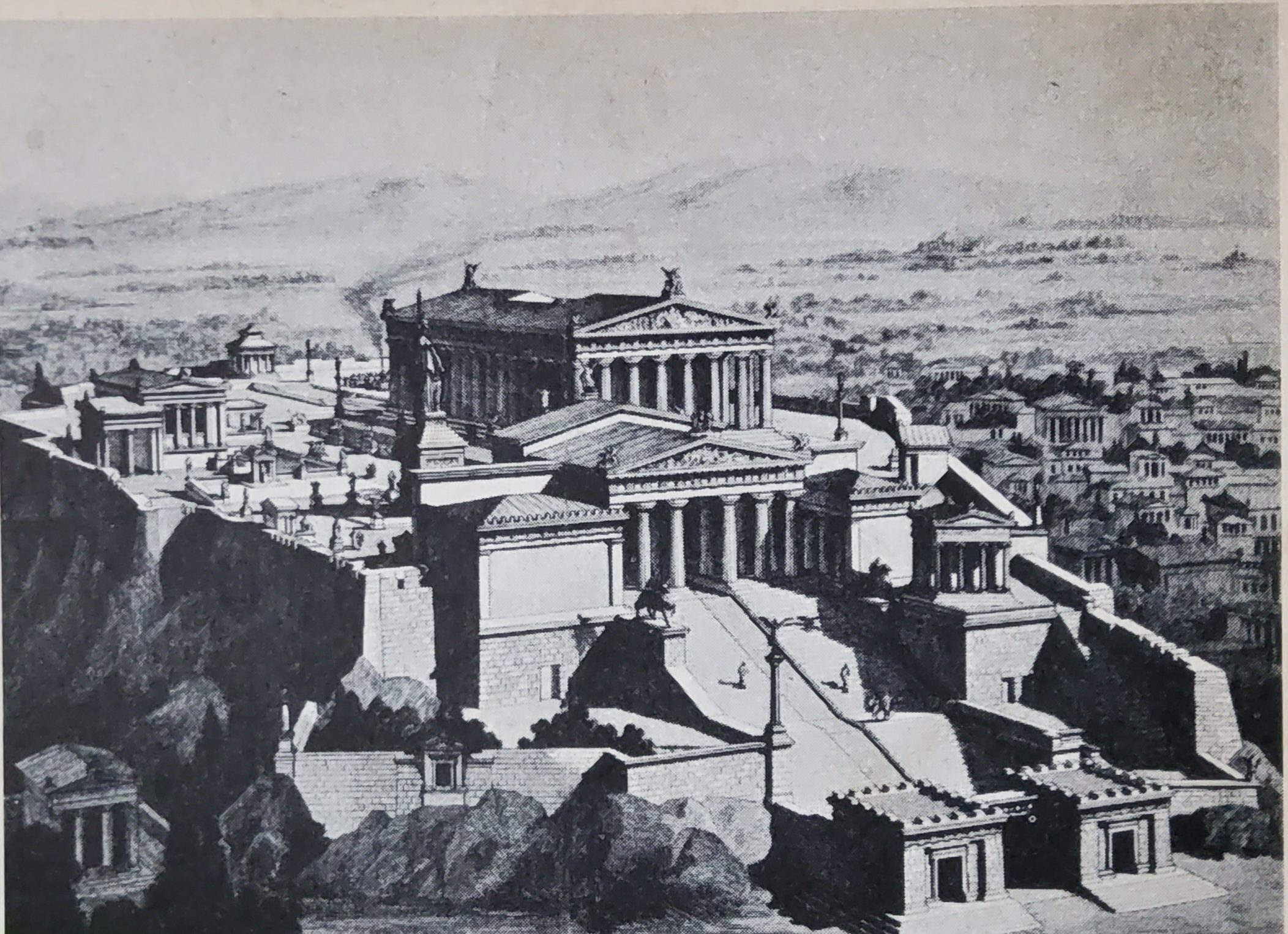
Ancient Greeks, Life and Culture
Ancient Greeks, is where the history of Europe and of Western civilization really began, with the arrival in the Aegean
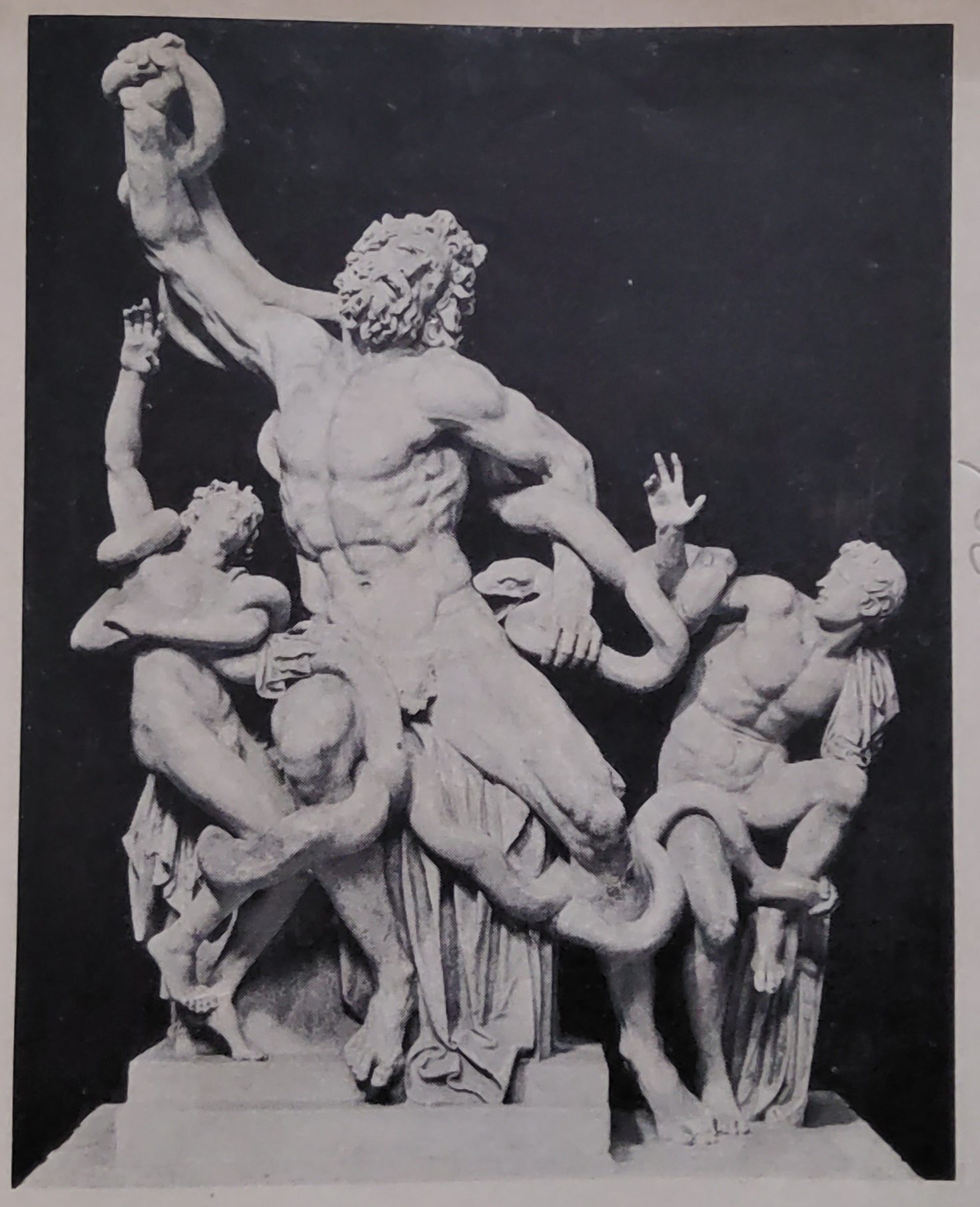
Alexander and the Great Hellenistic Age
Alexander and the Great Hellenistic Age – was the supreme achievement, of Alexander the great. When summarizing the rich heritage
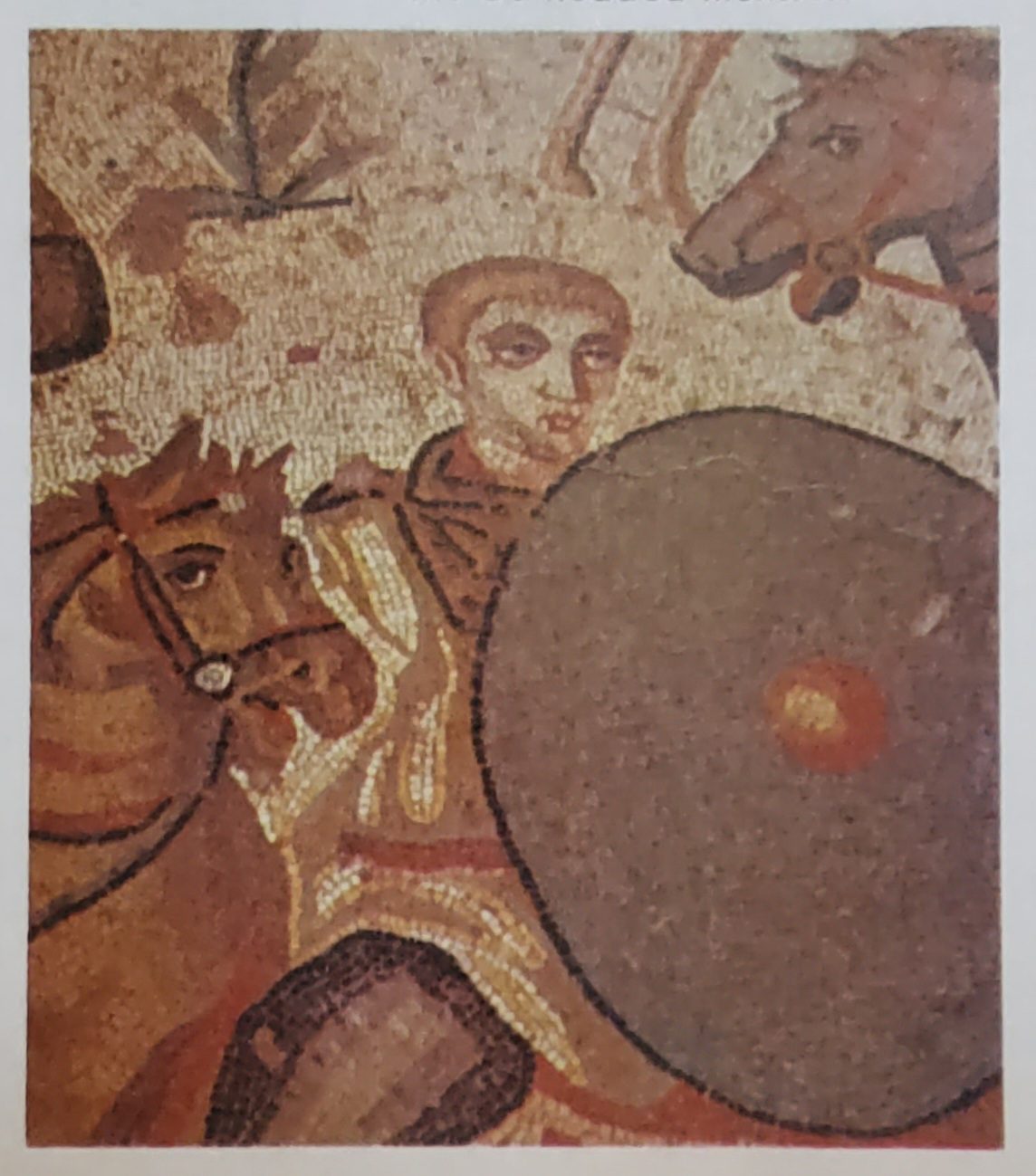
Roman Republic
Roman republic, for “westward the course of empire makes its way,” first to Rome and ultimately, by way of northern
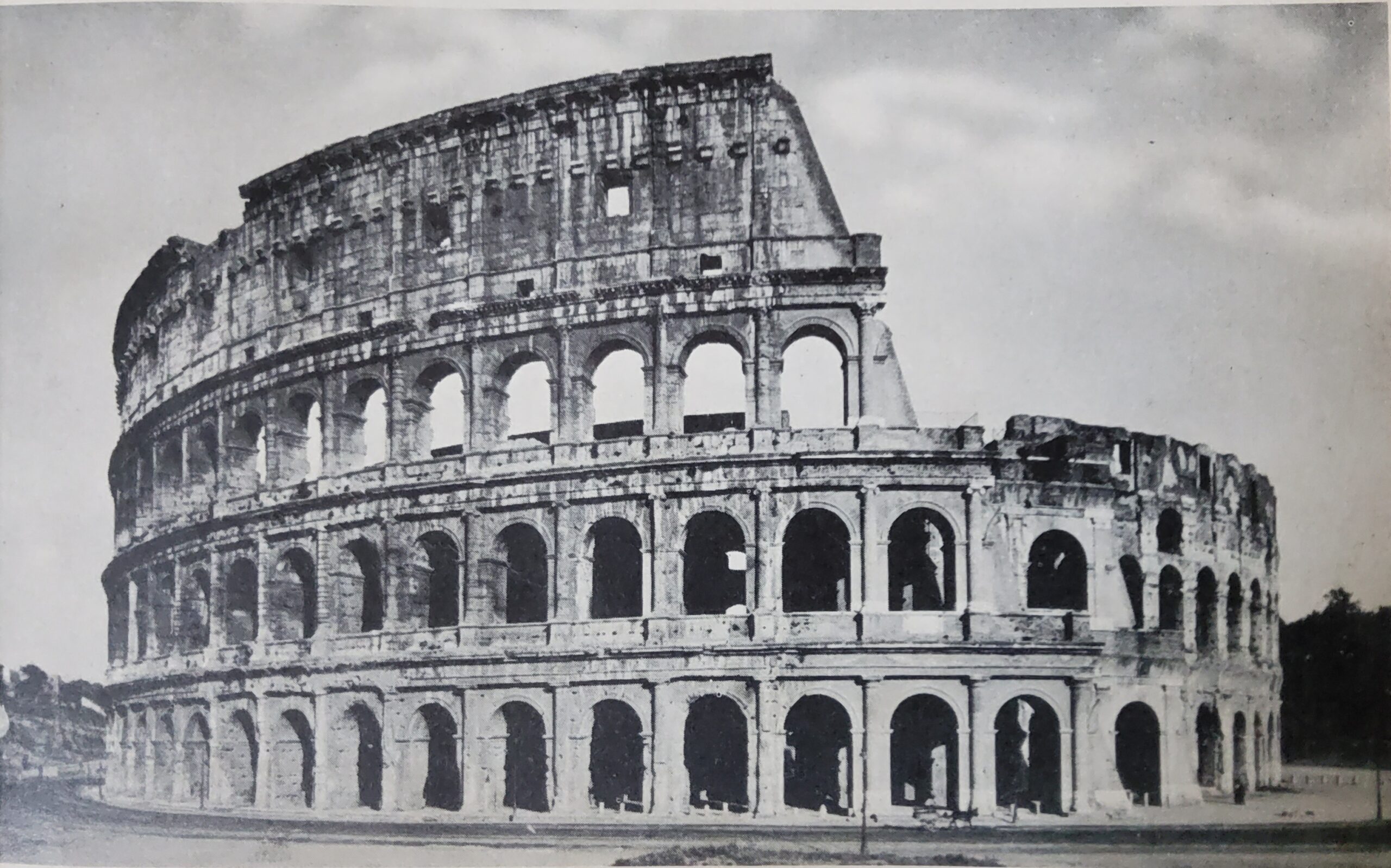
Decline of the Roman Empire
Decline of the Roman empire came after the triumph of Christianity. Meanwhile, Julius Caesar’s heir and successor, Octavian, was but
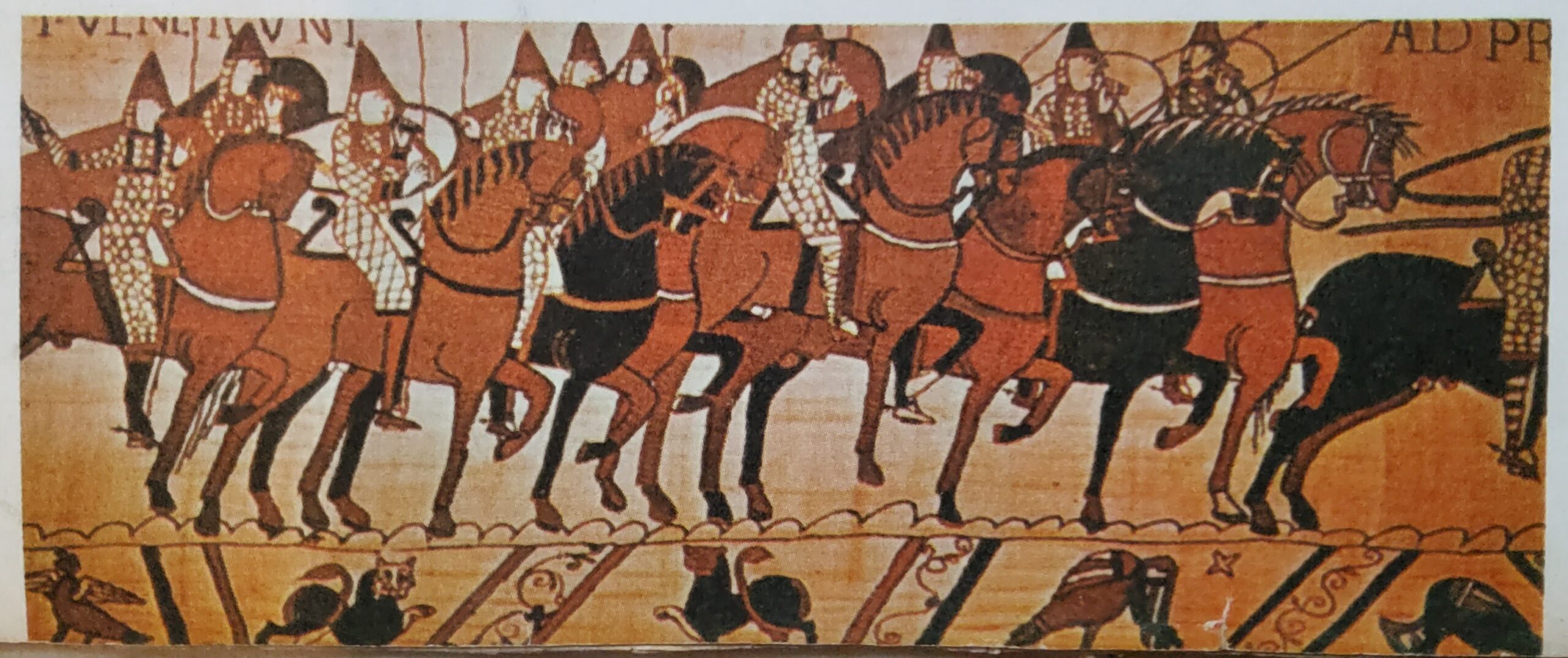
Religions Militant in the Middle Ages
Religions militant, gives an account of the wars of religion, which we call the crusades. During the Middle Ages, the
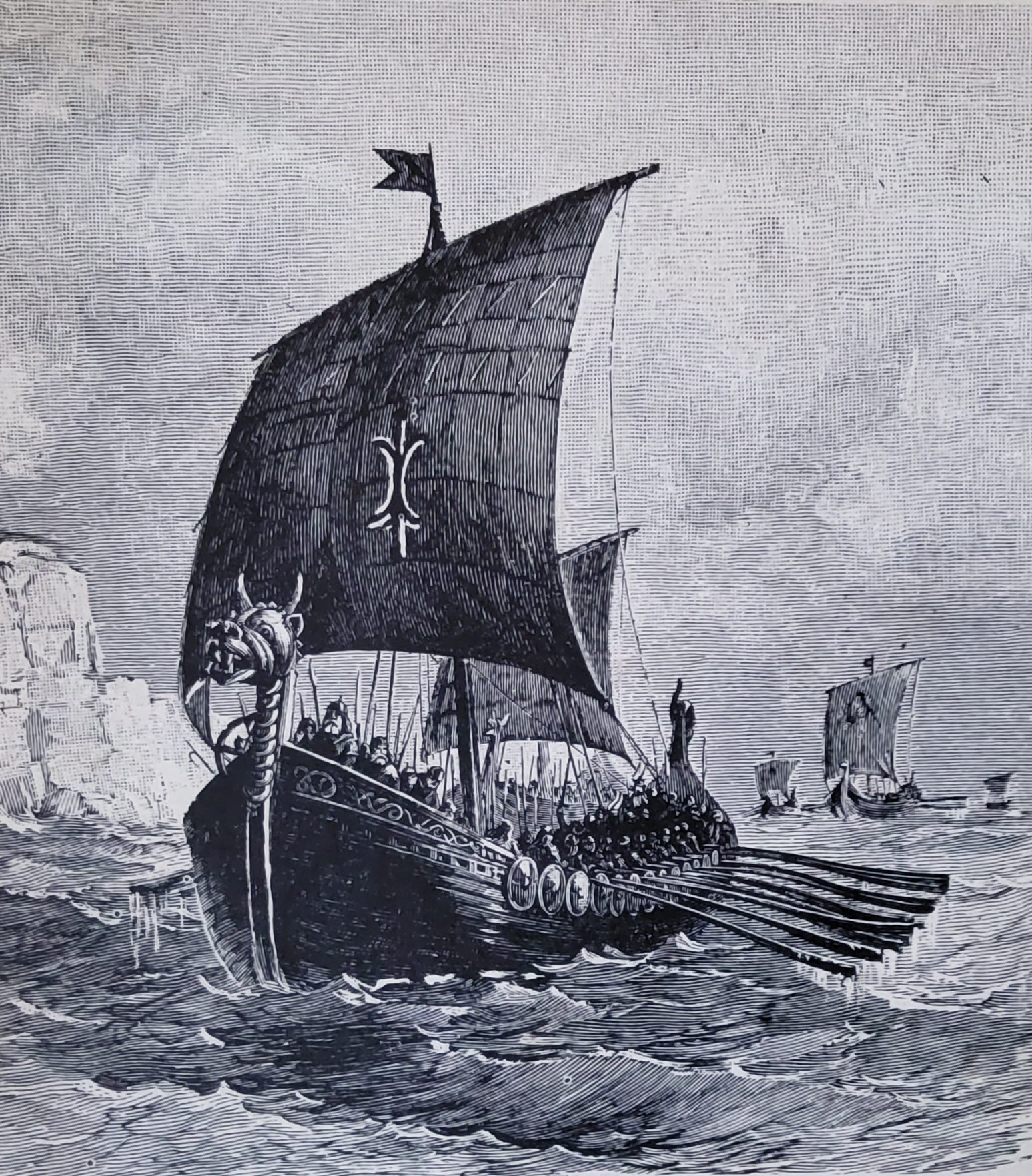
Feudalism in Western Europe
Feudalism – centuries of groping and experimentation to restore law and order in Europe and to develop forms of centralized

European Nations Evolve
European nations preserved to keep the continent from chaos. In the troubled days of invasion and disorder that followed the

Medieval Culture
Medieval Culture – in surveying man’s achievements during the Middle Ages – is another example of man’s ability to rebuild

Medieval East
Medieval East includes the spread of Islam, medieval India, medieval China, medieval Japan, the Mongols and Eastern Europe – the
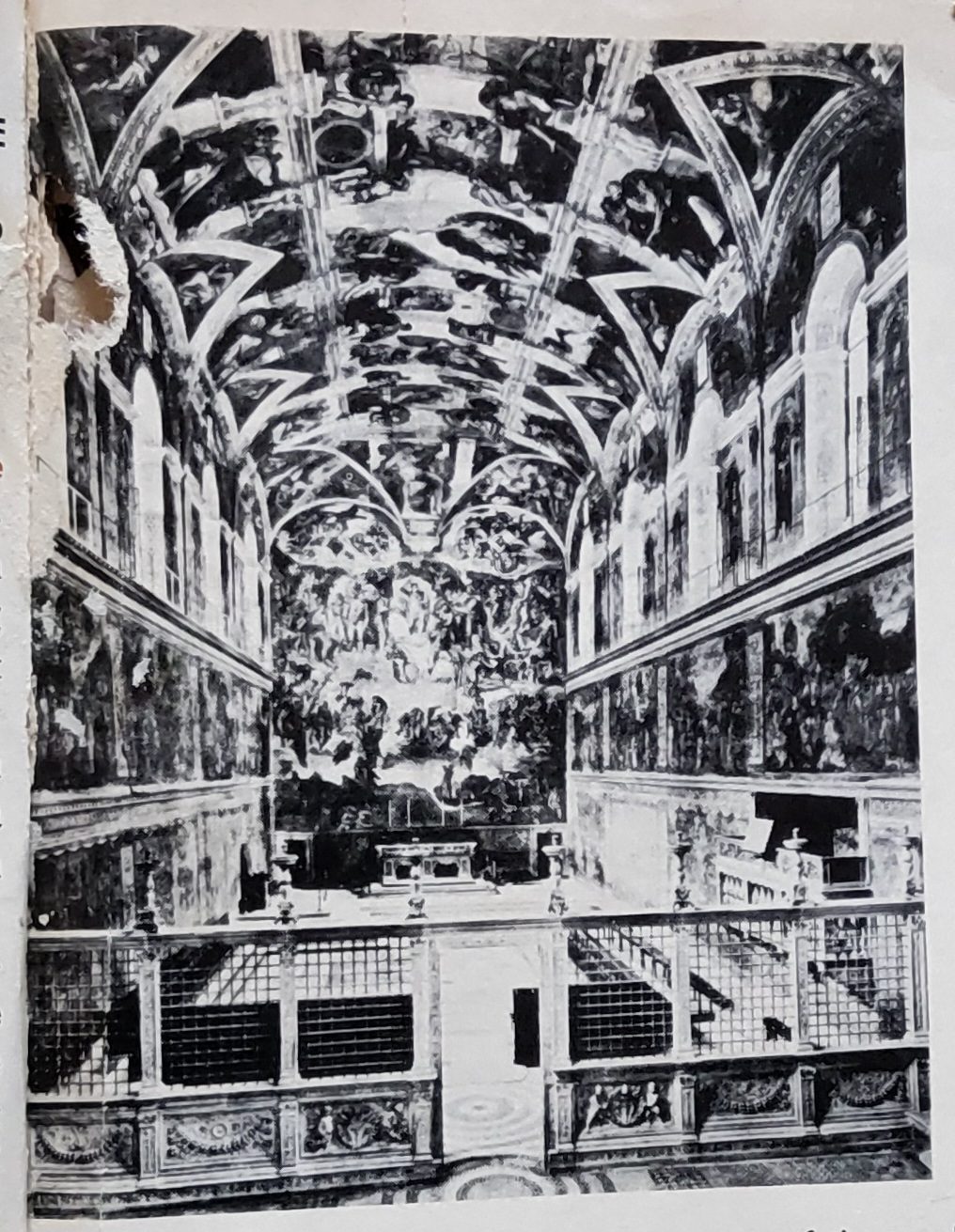
Renaissance
Renaissance – the beginnings, political institutions, the arts, literature, education and advances in Science – most fascinating those periods of
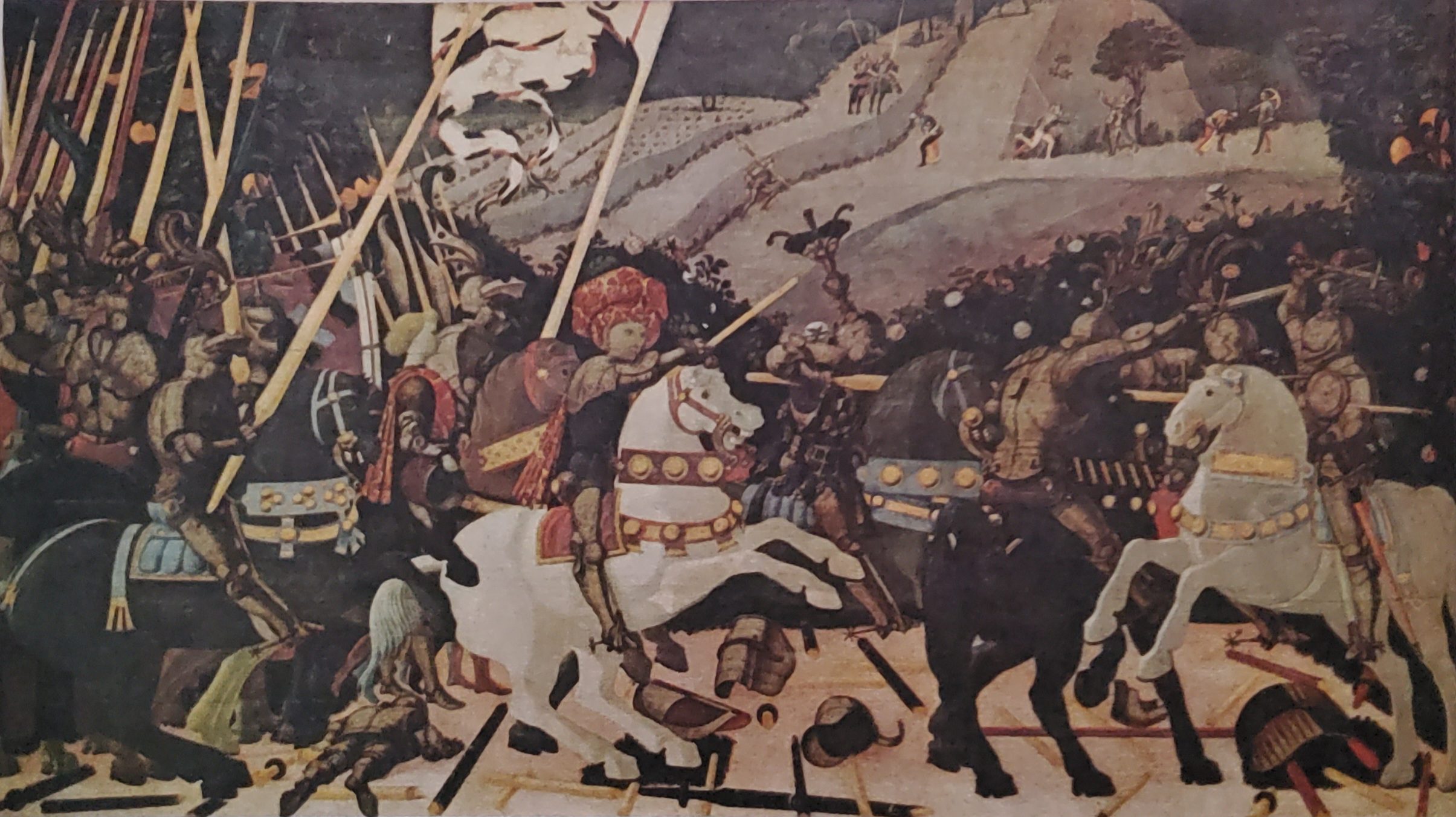
Reformation – Revolt and Division in the Church
Reformation, revolt and division in the church – conflicts over Christian Doctrine, the religious revolt in Germany, the Catholic reformation
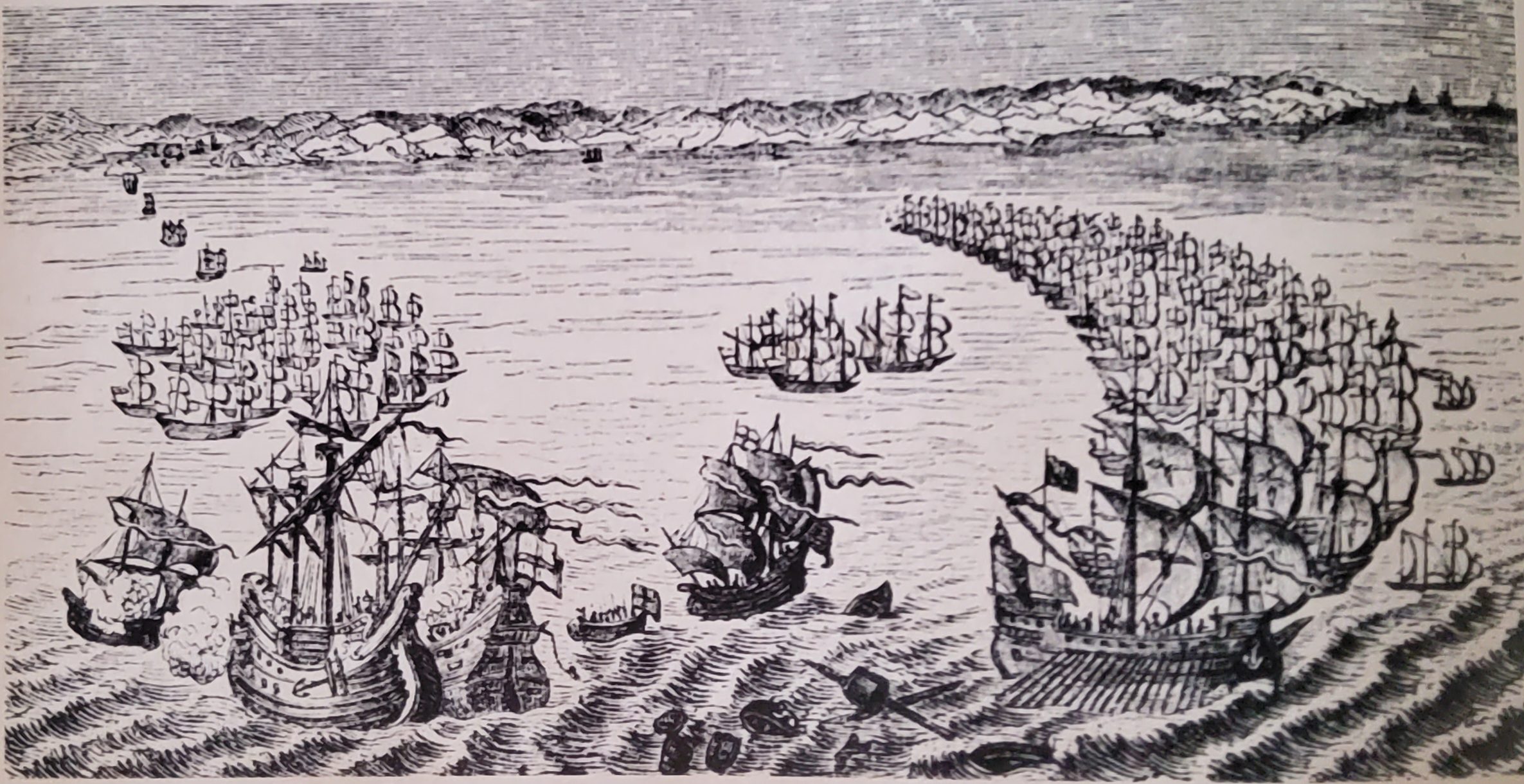
Constitutional Government in England Triumphs
Constitutional government in England triumphs under the Tudors and the Stuarts. The British Empire is established, United States is born

Absolutism and Revolution in France
Absolutism was sought, achieved, followed by the French Revolution, an Interlude; and peace plans were made for Europe. Both English

Division and Weakness in Germany and Italy
Division and weakness in Germany and Italy points up the difference between geographic unity and national unity. It concerns itself

Foundations of the Russian Empire
Foundations of the Russian Empire involved: the Early Russians, Romanovs and the New Russia, Alexander and the Holy Alliance, Russian
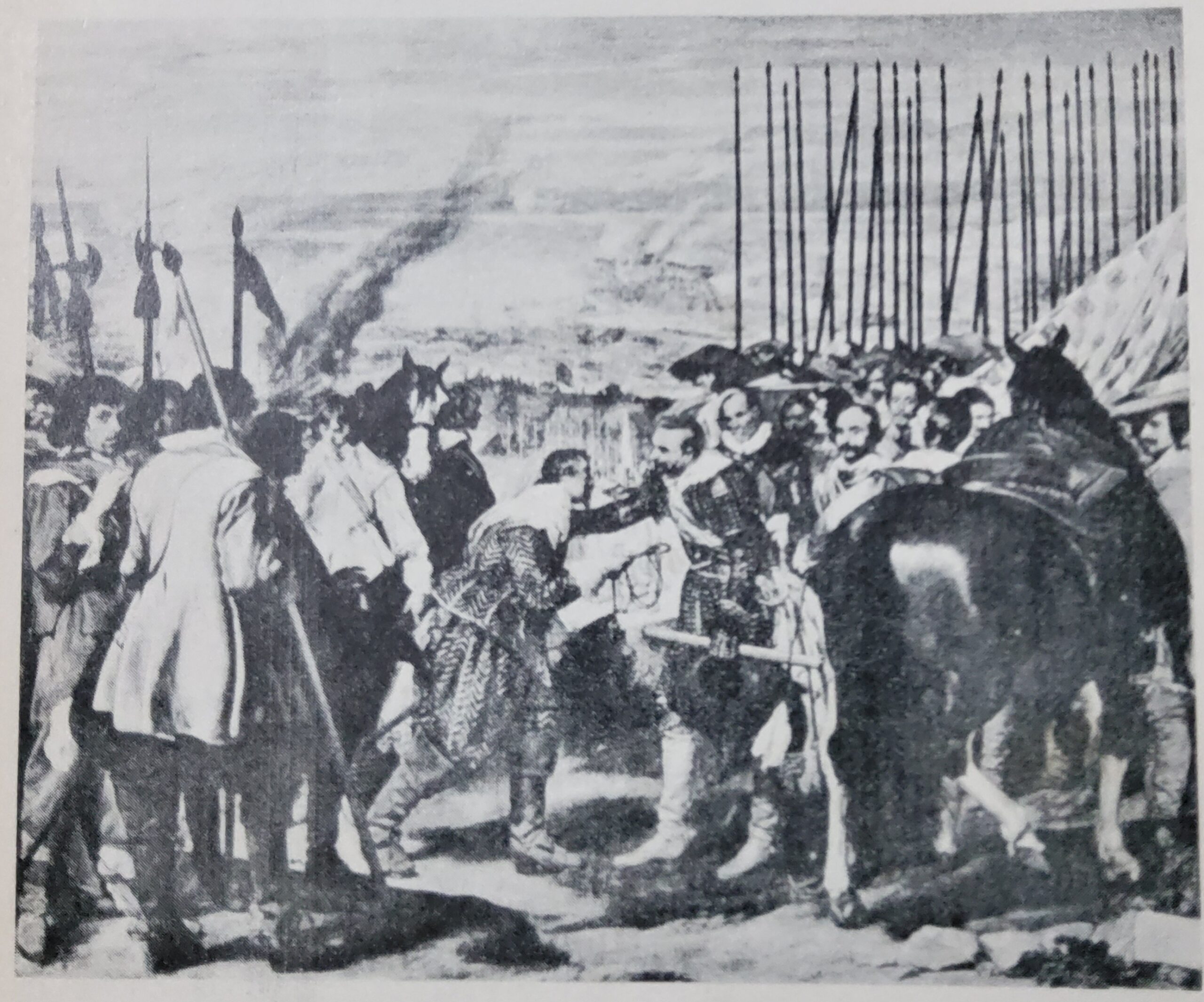
Spain, Portugal and the New World
Spain, Portugal and the New World: the Hispanic Century, Spain and Europe, the Dutch Revolt and Spanish decline, the Spanish

Democratic Reform in England and France
Democratic reform in England and France: British political reforms of the 1800, England’s relations with Ireland and the Bourbon rule

Nationalism and Union in Germany and Italy
Nationalism and Union in Germany and Italy include: Metternich and European affairs, Bismarck and European affairs; and the struggle to

Imperial Russia
Imperial Russia: The land, the people, autocracy, Pan-Slavism, Alexander II, limited reform and the background for later revolutions. Russia’s relationship
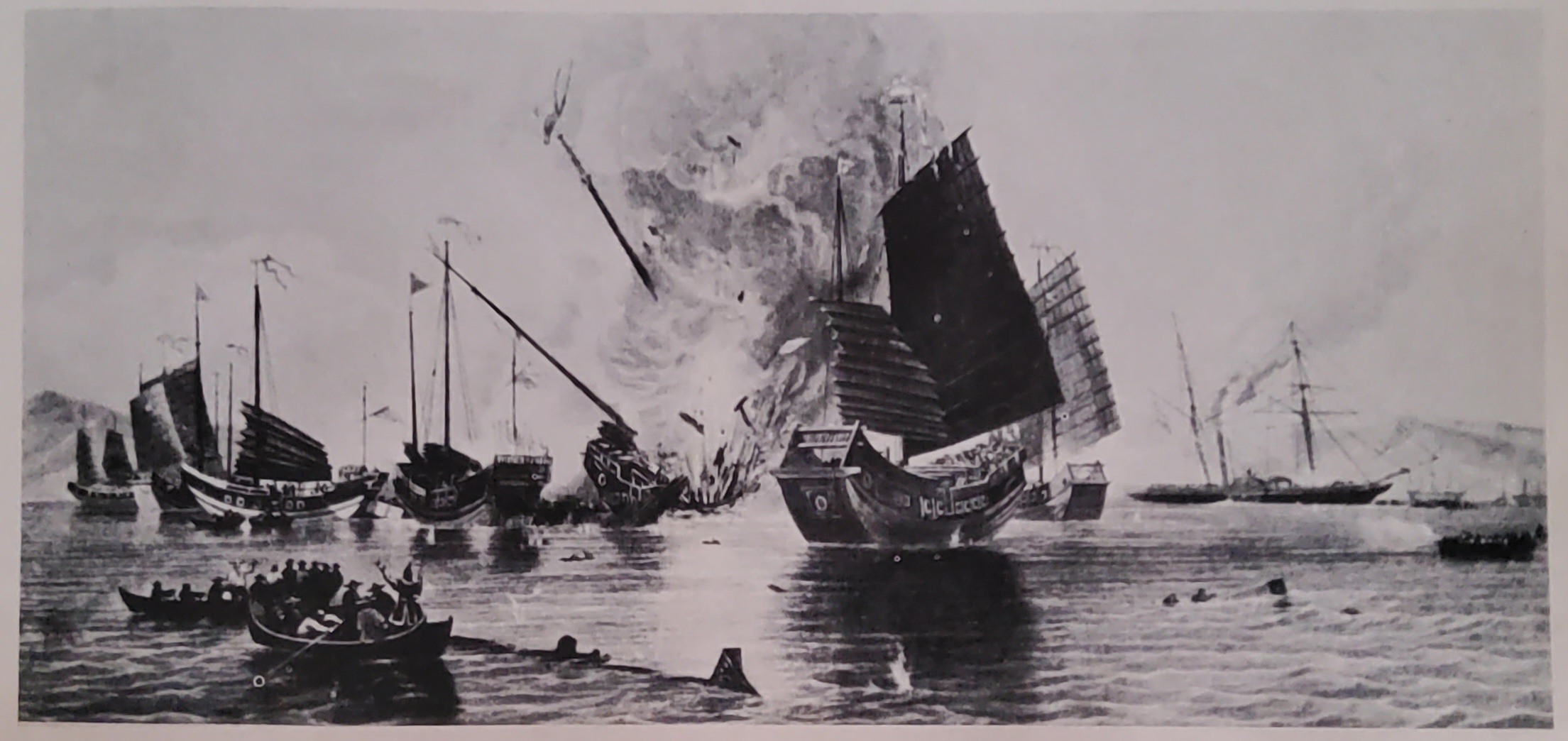
Orient and Occident
Orient and Occident: India, “Pearl” of the British, the partition of China and the Westernization of Japan. China, Japan and
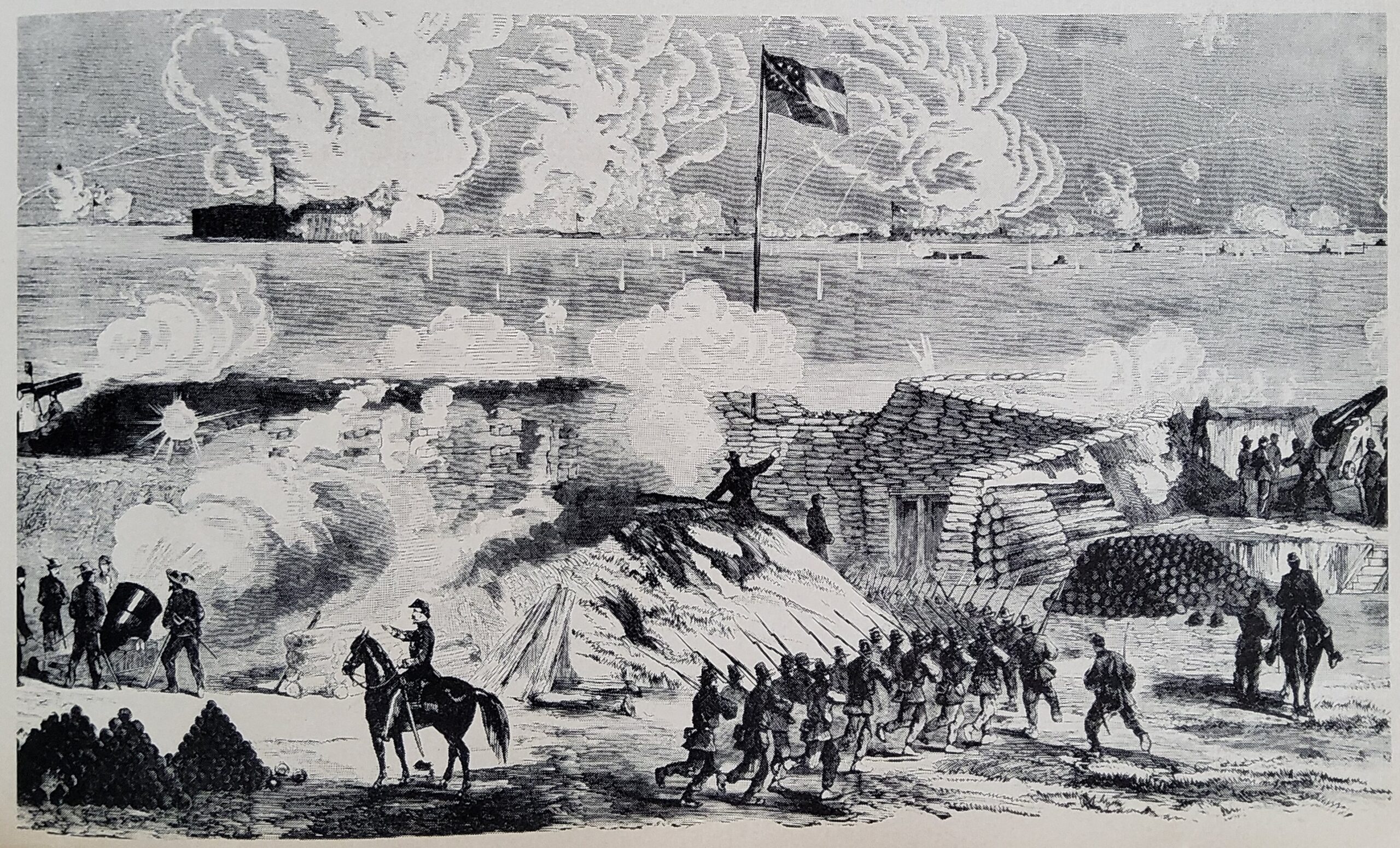
Growth of Democracy in America
Growth of democracy in America includes – the foundation of a great nation, American Foreign Policy, American territorial expansion, effects
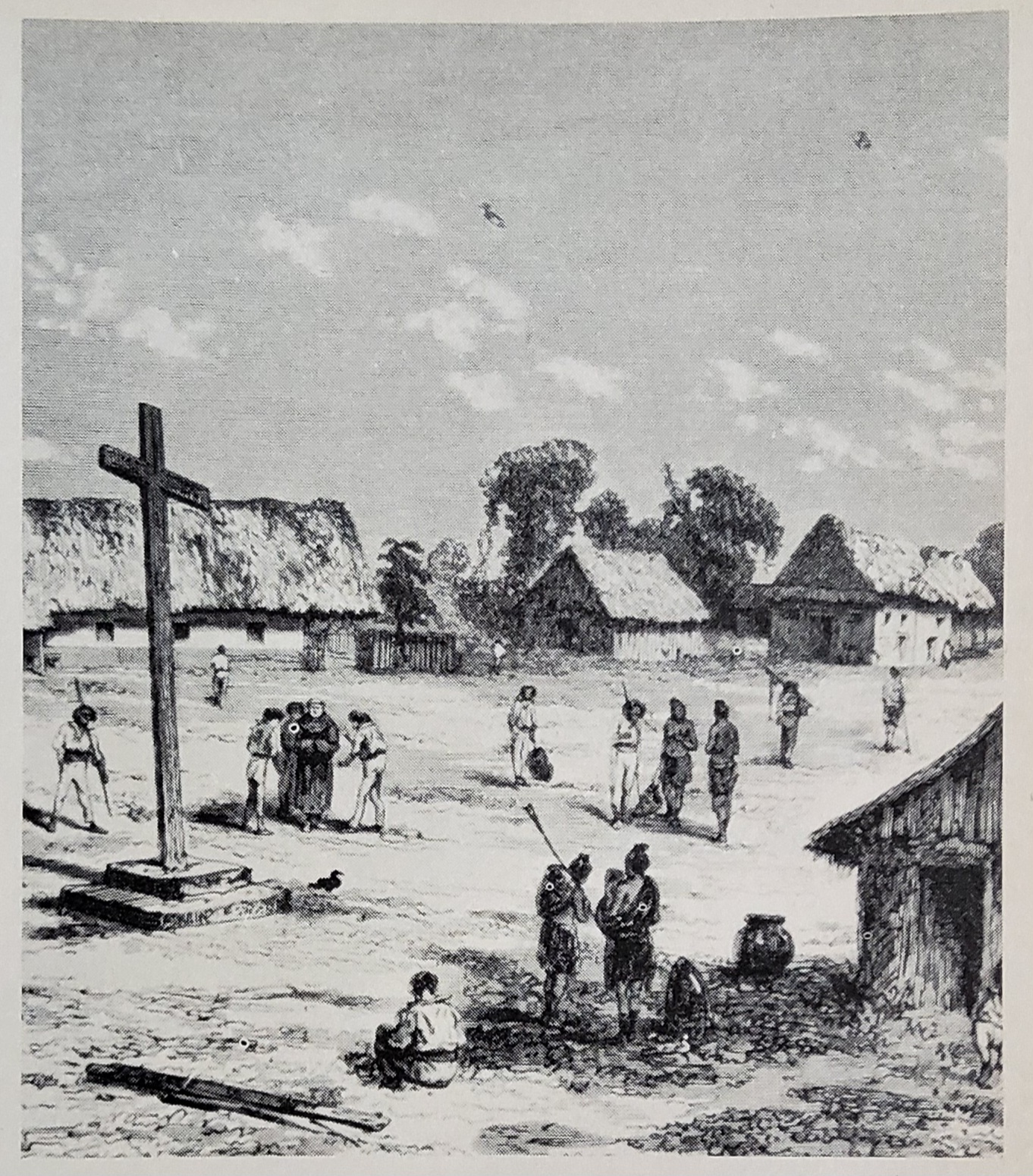
Nations of Latin America
Nations of Latin America ‐ this subject includes the Latin American independence, international relations and life in Latin America, during