Topics
- Early Civilizations 400,000 B.C – 648 B.C.
- Ancient Greece 3000 B.C. – 323 B.C.
- Ancient Rome 1000 B.C – 476 A.D.
- Early Christianity and Byzantium 6 B.C. – 1453 A.D.
- East in the Middle Ages 214 B.C. – 1644 A.D.
- West in the Middle Ages 481 A.D. – 1485 A.D.
- Renaissance 1277 A.D.- 1603 A.D.
- Reformation and Exploration 1415 A.D. – 1634 A.D.
- Age of Great Kings and Enlightenment 1469 A.D. – 1762 A.D.
- Age of Revolution 1765 A.D. – 1815 A.D.
- Industrial Revolution and Nationalism 1702 A.D. – 1906 A.D.
- Imperialism and World War 1 1841 A.D. – 1920 A.D.
- Totalitarianism and the Great Depression 1861 A.D. – 1938 A.D.
- World War 2 and its Aftermath 1934 A.D. – 1944 A.D.
- Modern Age 1946 A.D. – 1965 A.D.
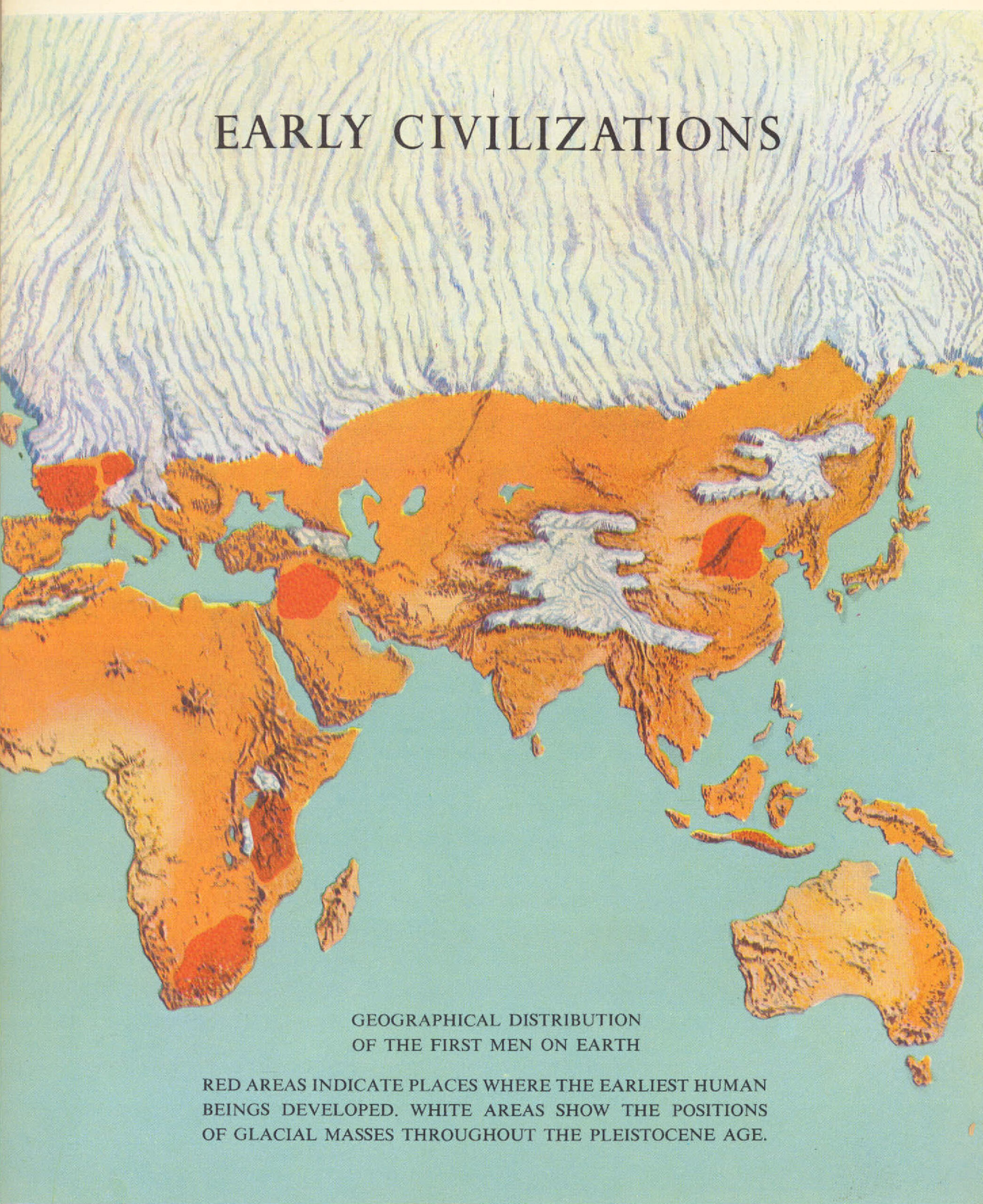
The Coming of Man
About 400,000 years ago, a group of people were gathered at the mouth of a cave. They had a fire
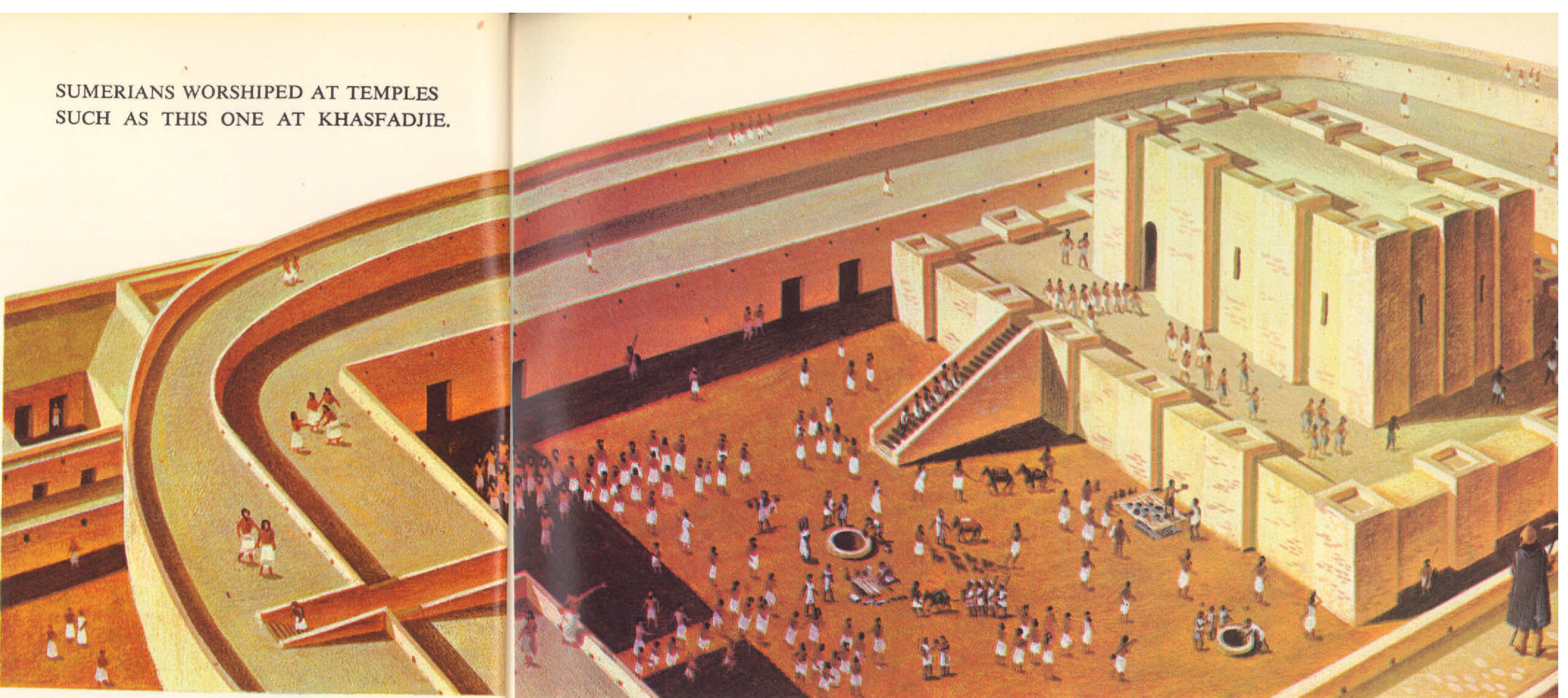
Mesopotamia, Where Civilization Began 4000 B.C. – 1750 B.C.
Mesopotamia is where civilization began. By 4000 B. C., many different groups of people were working out their lives in
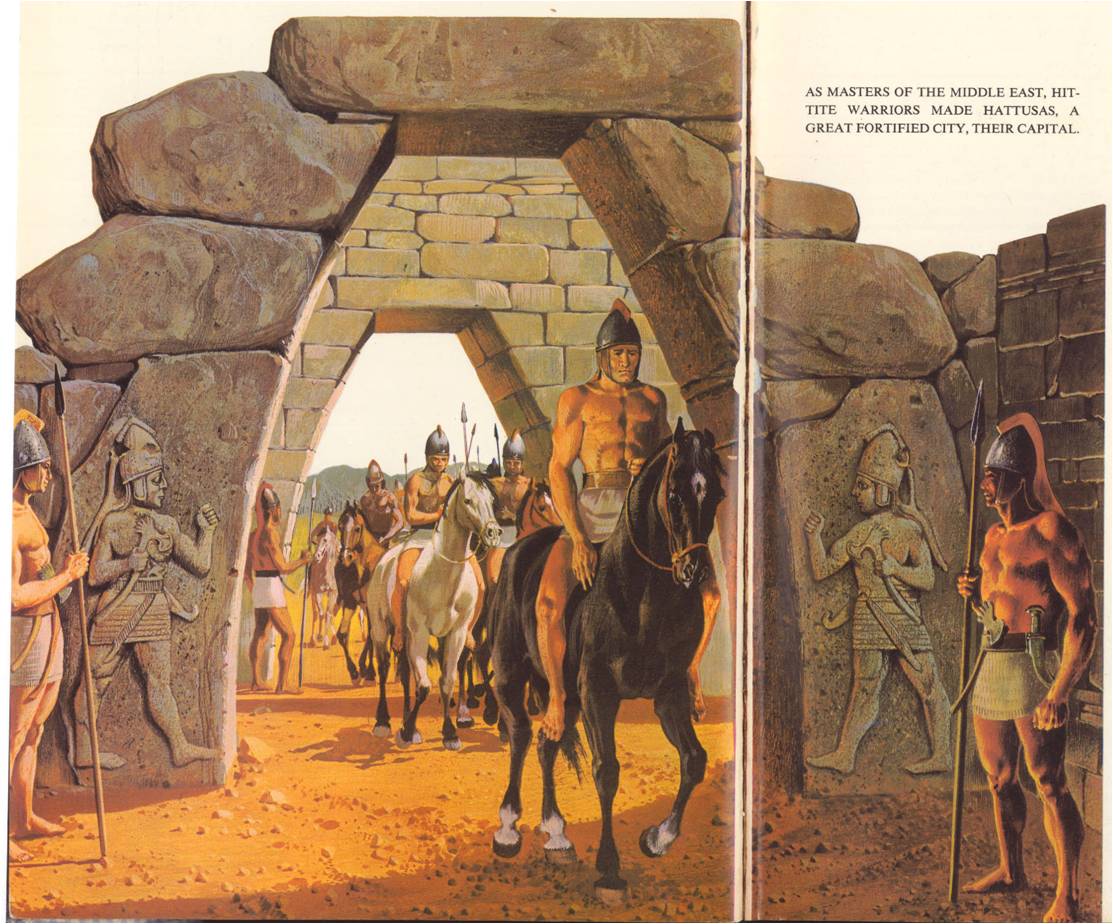
Hittite Warriors Build a Kingdom 1750 B. C. – 700 B. C.
Within 150 years of the death of Hammurabi, the cities of Mesopotamia were powerless and other peoples took up the

The Gift of the Nile 3300 B.C. – 30 B.C.
It was around 3500 B.C. and as it did every year around the middle of July, the Nile had begun

The People of One God 3000 B. C. – 30 B. C.
On the plains of Mesopotamia, a young man stood gazing up at the stars that glittered from the dark sky

The Rise of the Assyrians 1600 B. C. – 539 B. C.
During the century after the Hittites had raided Babylon and rose to power in Turkey and Syria, Mesopotamia was a

A New People, a New Faith 650 B. C. – 330 B. C
BABYLON, the final capital of Mesopotamia civilization, had fallen to warrior tribesmen from the east, the Medes and Persians. The
Civilization comes to India 3500 B.C to 200 B.C.
For thousands of years during the Stone Age, only scattered groups of people had lived in India. With only the

The Land of the Great Wall 4000 B.C. to A.D. 220
For many generations, the ancestors of P’an Keng had considered themselves kings in northern China. Yet this family of kings,

The Silent Peninsula 3000 B.C. to 1600 B.C.
About 3000 B. C., when the Pharaohs ruled Egypt and Babylon was the home of mighty kings, bands of sailors

The Power of Minos 2200 B.C. to 1400 B.C.
Far to the south of the Greek Peninsula lay the large island of Crete. It was the home of a

Companions of the King 1500 B.C. – 1000 B.C.
Across the plains of Peloponnesus, flashed the swift chariots of knights and warrior-princes. They wore armour of gleaming bronze and

Gods and Heroes 800 B.C. – 550 B.C.
From island to island and town to town, across the wide new world of the Greeks, the minstrel wandered, with
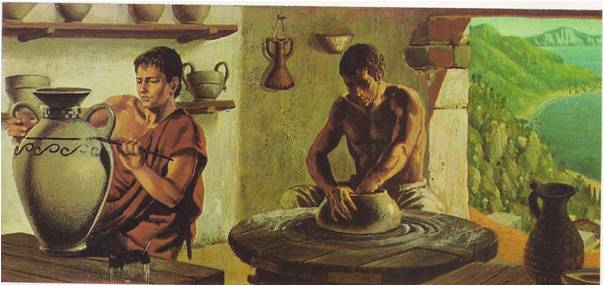
Kings, Tyrants and Democracy 1000 B. C. to 100 B. C.
During the Dark Ages, the large kingdoms of Homer’s Achaean heroes had disappeared. The Greek world was now dotted with

Athens: City of Wisdom and War 700 B. C. to 500 B. C.
Of all the city-states in Greece, Athens was the most fortunate. The city’s guardian was Athena, the goddess of war

Sparta: City of Soldiers B. C. 700 – 500
In Sparta, the shops in the market place had little gold or jewelry to sell and no fine furniture at

Greece Fights for its Life 499 B. C.-479 B. C.
Across the Aegean, from the oriental court of King Darius of Persia, came messengers to all the city-states of mainland

The Golden Age of Athens 480 B. C. to 430 B. C.
When Themistocles and the people of Athens came home from Salamis, they found only the ashes of a city. Their
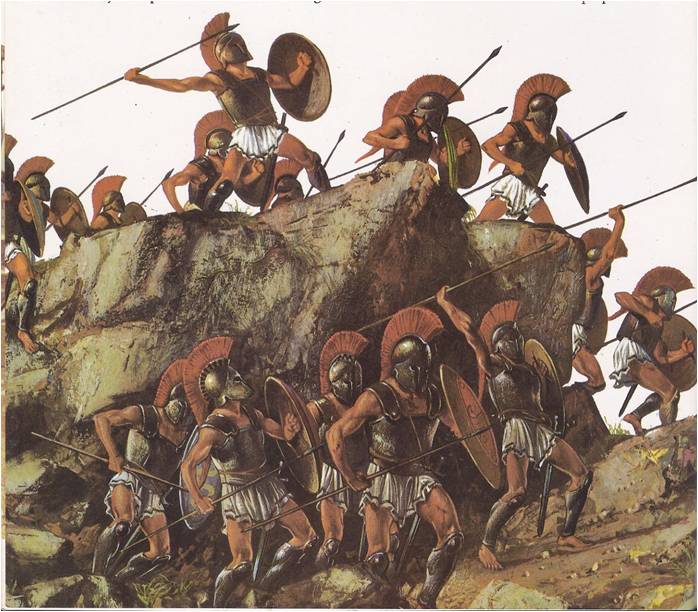
Greek Against Greek 430 B. C. – 404 B. C.
About 425 B. C., a lonely man, in a country that was not his own, sat down to write the

The Greek Way of Life 700 B. C. – 343 B. C.
In the first years of Spartan peace, Greece was filled with wandering soldiers. Their little cities needed them no more.

The Conquerors 343 B. C. – 323 B. C.
In 343 B. C., the philosopher Aristotle left the quiet of his study and journeyed to Macedonia, a country in

Greece and the World 323 B. C. – 250 B. C.
In the last years of the fourth century B. C., Greek citizens going about their business in the stoas or

The City of Aeneas 1000 B. C. – 500 B. C.
The minstrels who wandered from country to country in the ancient world told a legend of Aeneas, a Trojan prince.

City of Romulus B. C. 900 – 256
In the time when savage warriors roamed the plains and mountains of Italy, there stood on six low hills, just
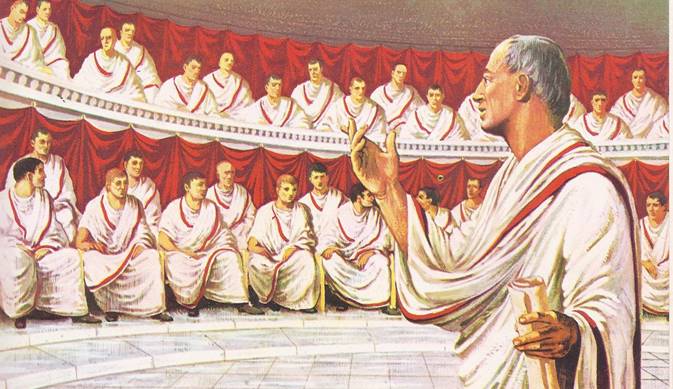
The City Divided 130 B. C. – 70 B. C.
MARCUS TULLIUS CICERO, a young statesman known for his dramatic speeches, stood before a panel of judges in a courtroom