Topics
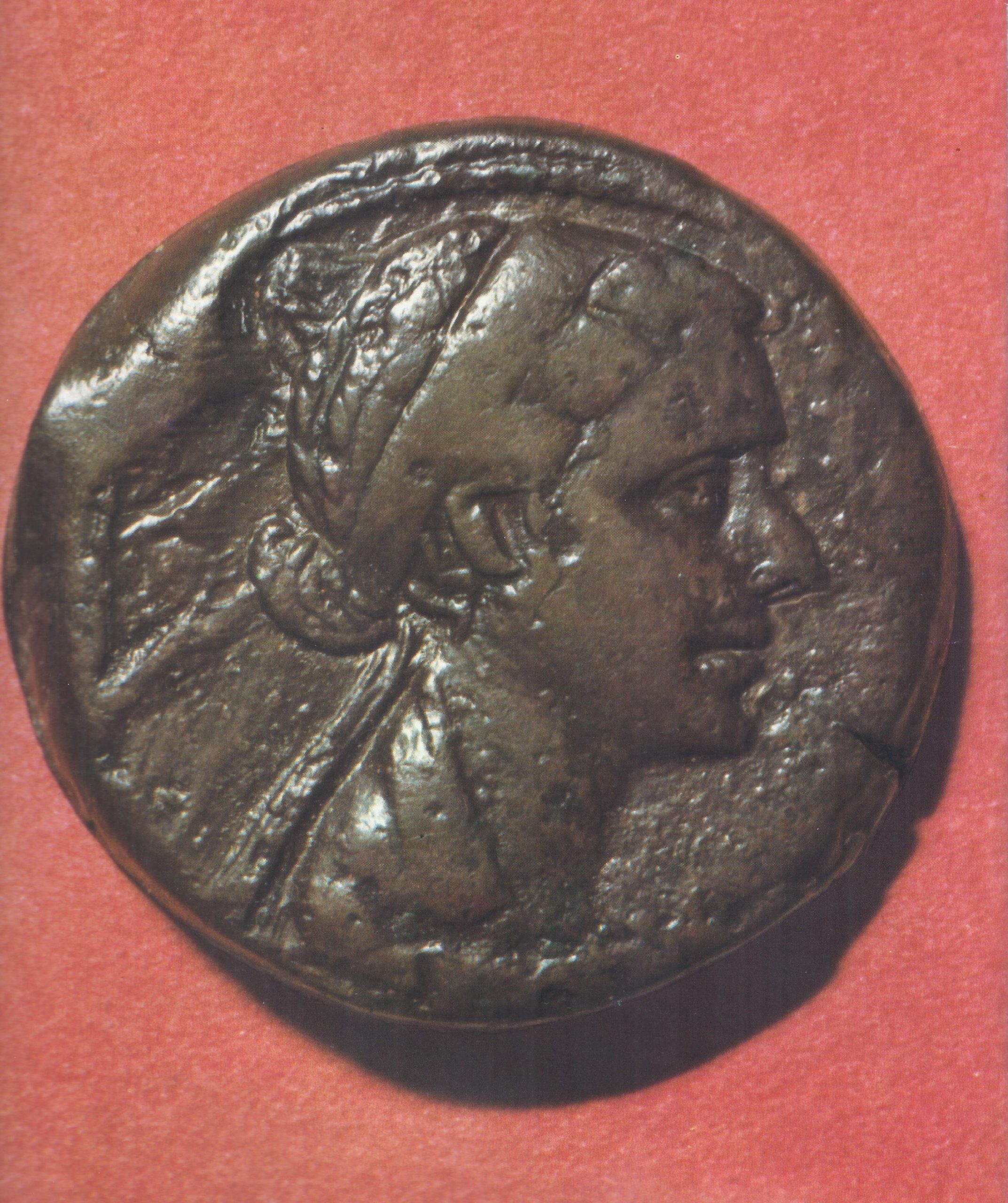
The Emperor Augustus (B.C. 31)
The assassination of Julius Caesar in 44 B.C. initiated thirteen years of bloodshed, during which the people who had plotted
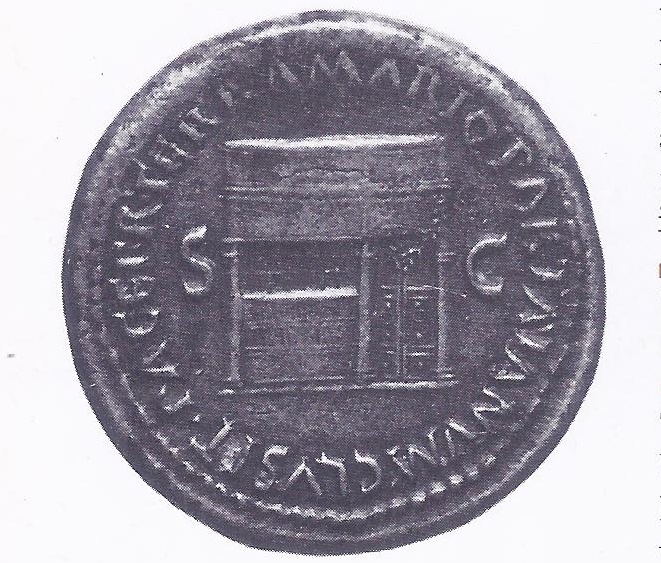
Octavian and the New Roman Empire (B.C. 31 – 9 A.D.)
Octavian delivers the state from that was plunged into depression. A few weeks after January 1 in the year 29 B.C. the
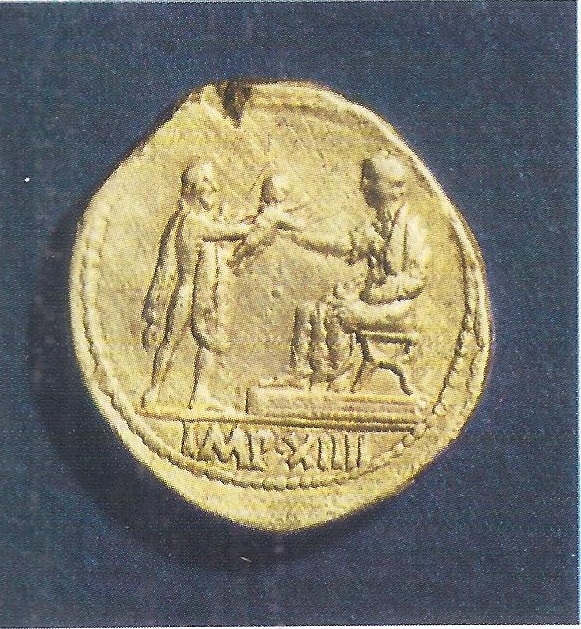
Arminius, Liberator of Germany (9 A.D.)
By 9 B.C. it seemed that Augustus’ ambition to extend Roman territory to the Elbe had almost been achieved, but

Jesus of Nazareth, Saviour God of a New Religion (30 A.D.)
Jesus of Nazareth, his life and death, for Romans alive about A.D. 30 was of no significance whatsoever. In the
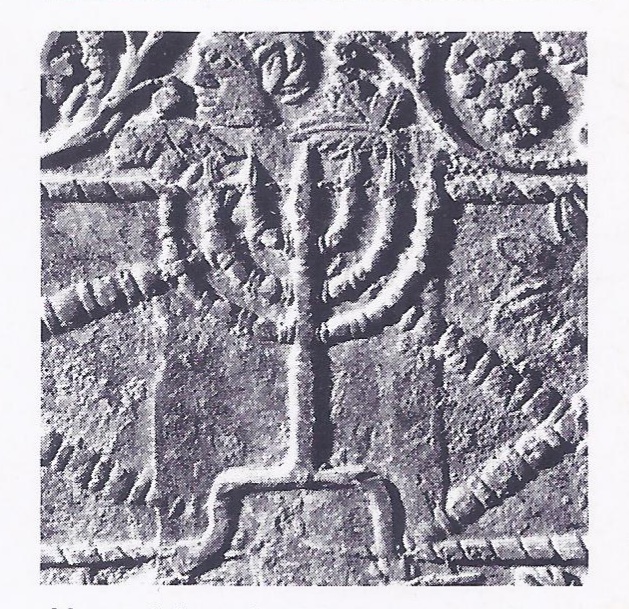
Revolt and Destruction of Judea (30 – 70 A. D.)
Judea was destroyed and it’s people were scattered due to revolt in the East. Herod the Great died in the

Zealots and the Destruction of Zion(70 A.D.)
Zealots, for sixty years or more, had formed the “resistance’’ against the Romans in Judaea and their ideas were shared

A. D. Fires of Faith
A. D. is not meant to imply a time when fires were burning continually from 312 A.D. to 1204 A.D.
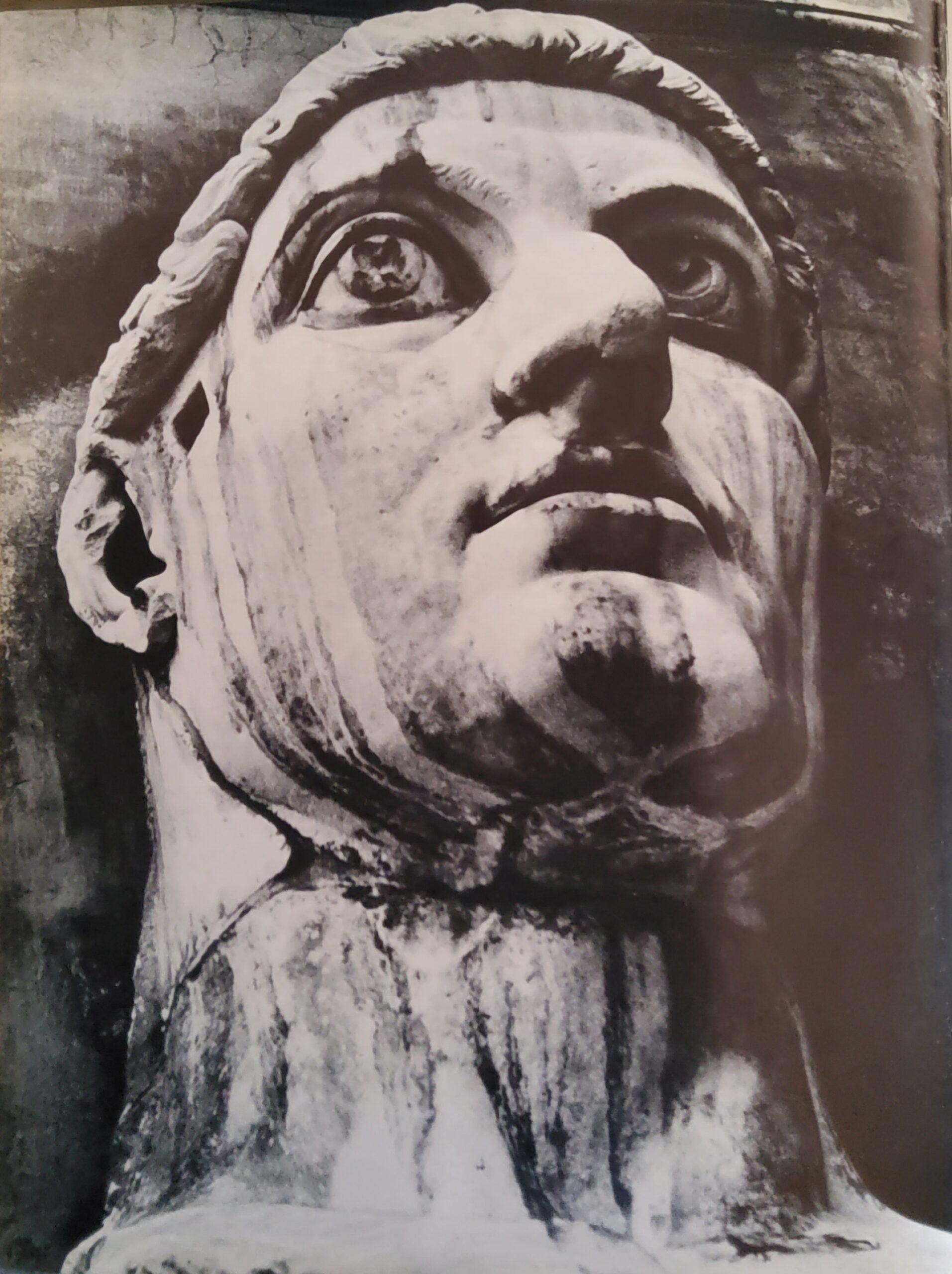
In This Sign Shalt Thou Conquer (312 A.D.)
Constantine’s victory at the Milvian Bridge, ensures the spread of Christianity, throughout the Roman Empire. The Roman Empire, at the
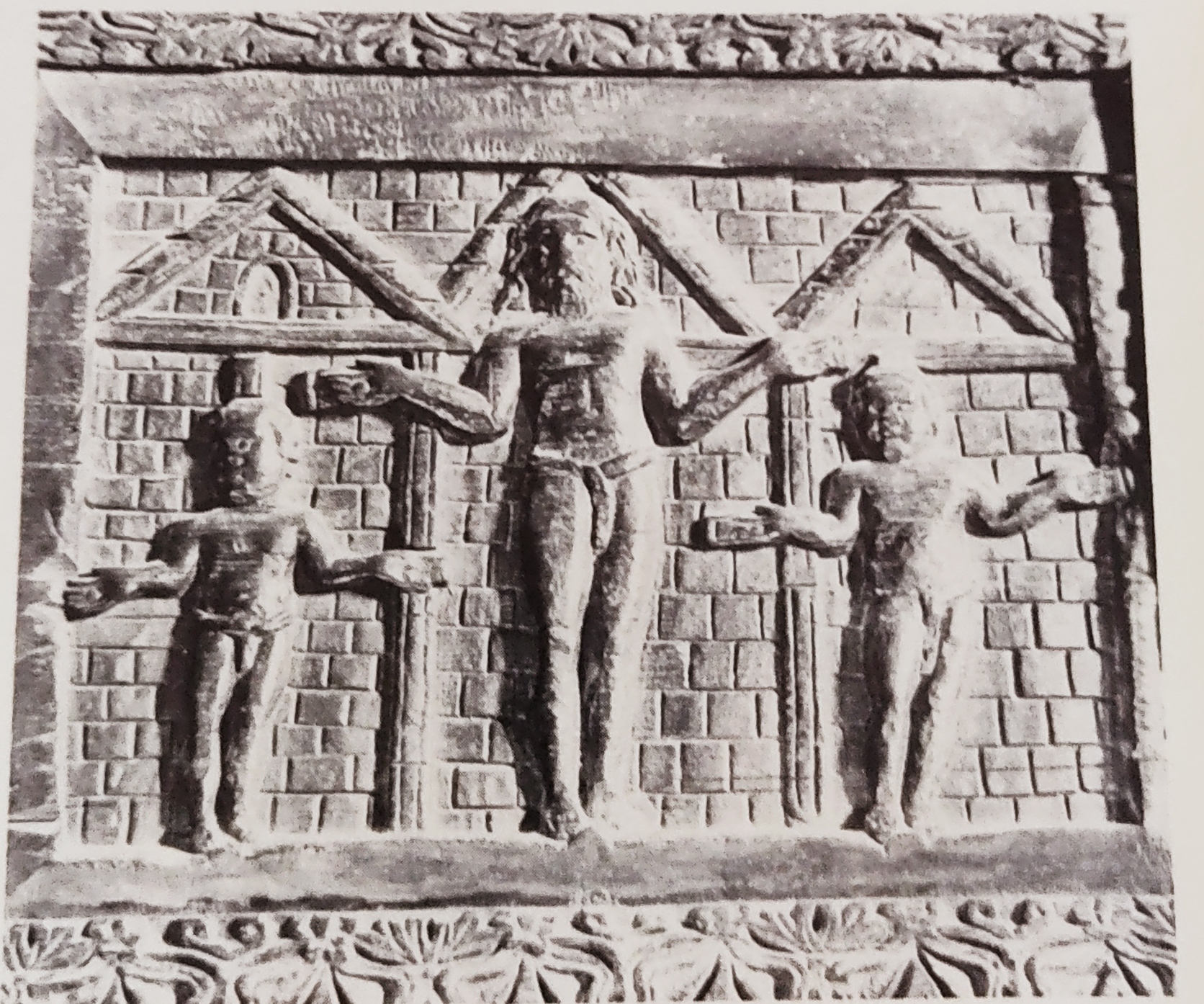
Arian Heresy and the Council of Nicaea (312-432 A. D.)
The Arian threat occured in the fourth century, which opened with the triumph of Christianity in the Roman Empire, closed
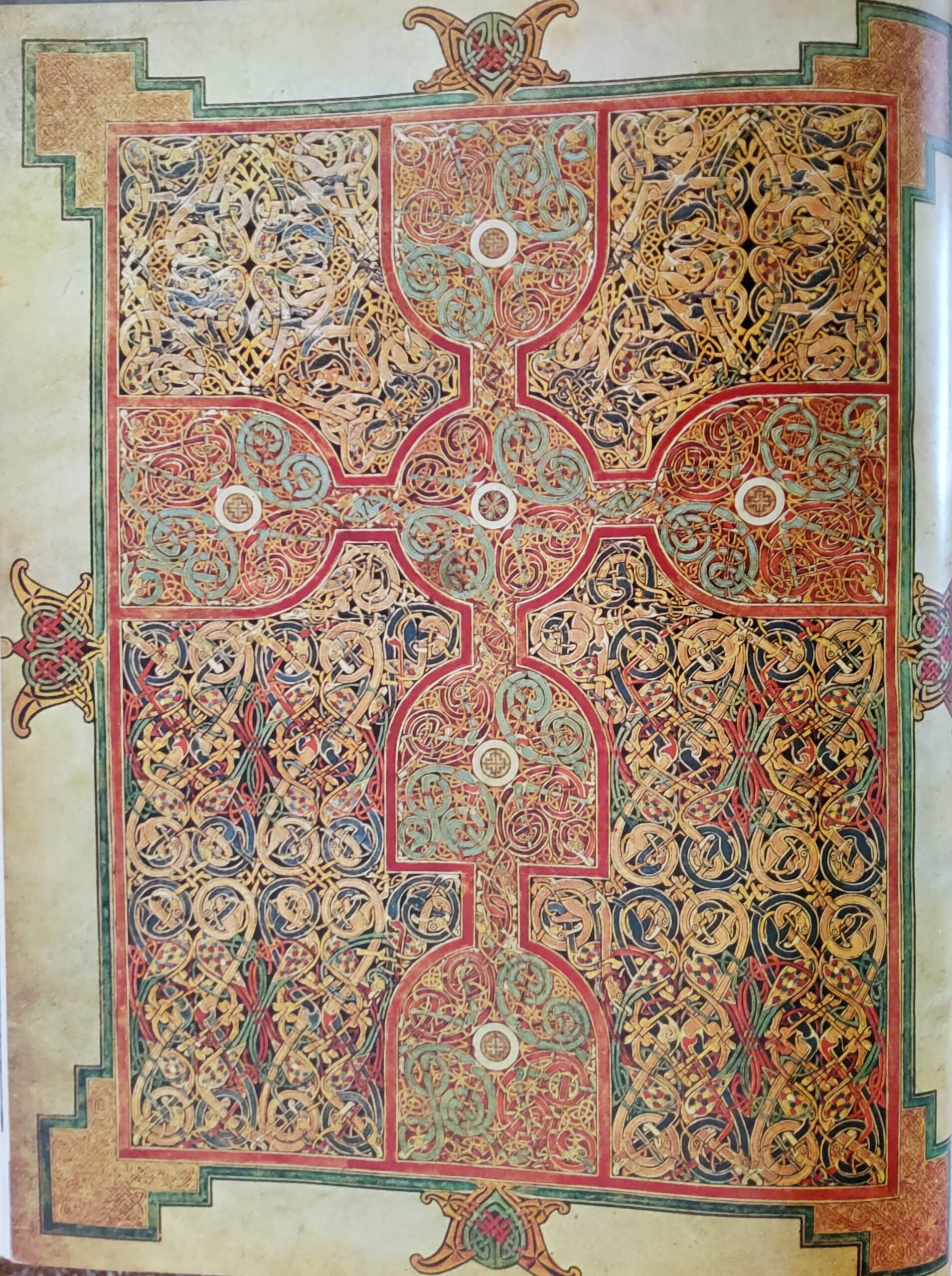
Mission to Ireland (432 A.D.)
In the spring of 432, Laoghaire, ruler of a petty kingdom in northern Ireland, gathered his court near Tara to
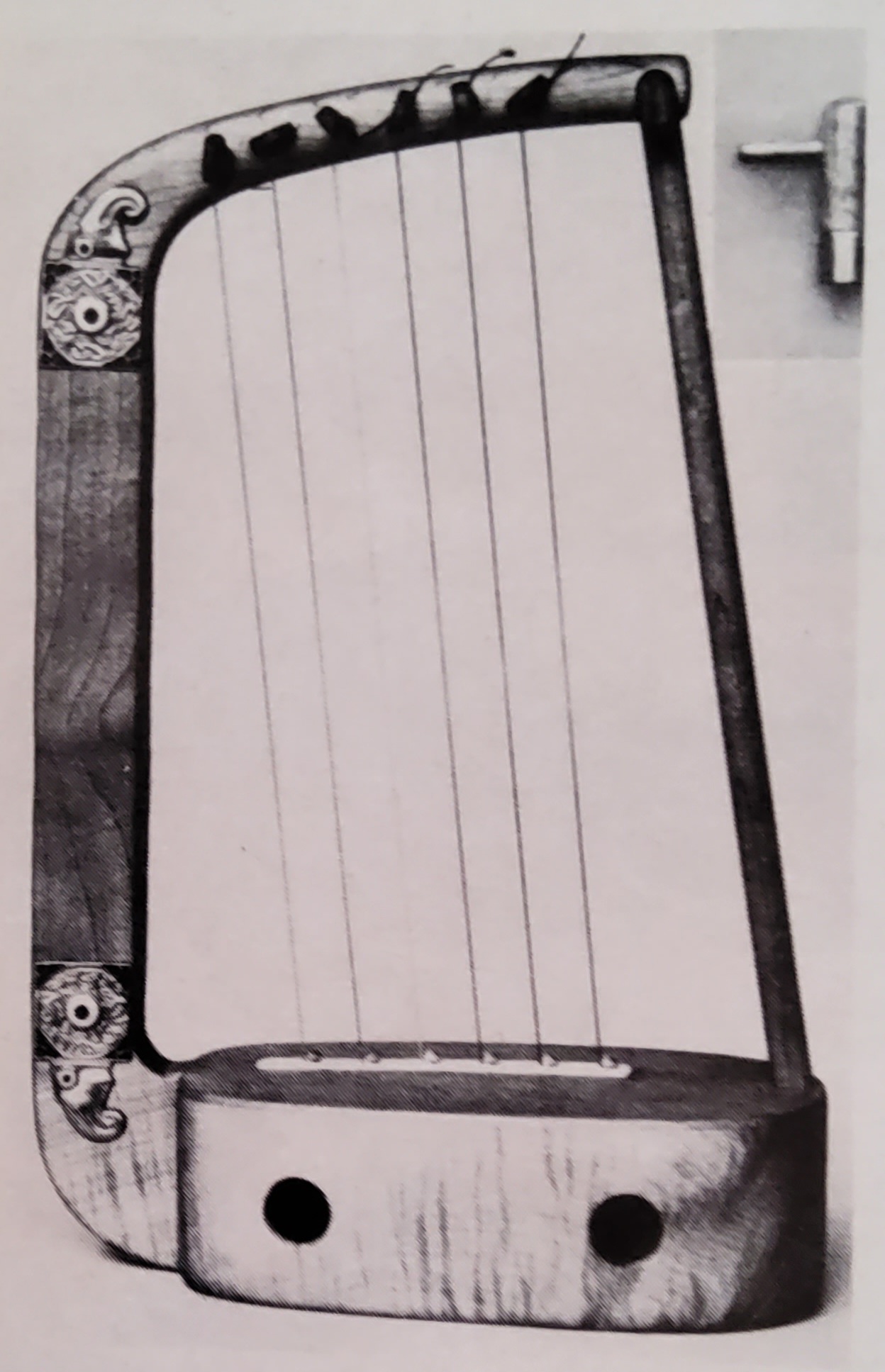
Visigoths and Gaiseric (432 – 451 A.D.)
The Visigoths, led by Gaiseric, settle in North Africa and challenge Rome. Ireland before St. Patrick According to the most

Attila, The Scourge of God (451 A.D.)
Attila, the “Scourge of God” was the legendary force that — curiously enough — helped to hold the tottering Roman

St. Benedict’s Rule 520 A.D.
St. Benedict’s monks tried to poison him, on one occasion it is said – and they often disregarded his instructions,
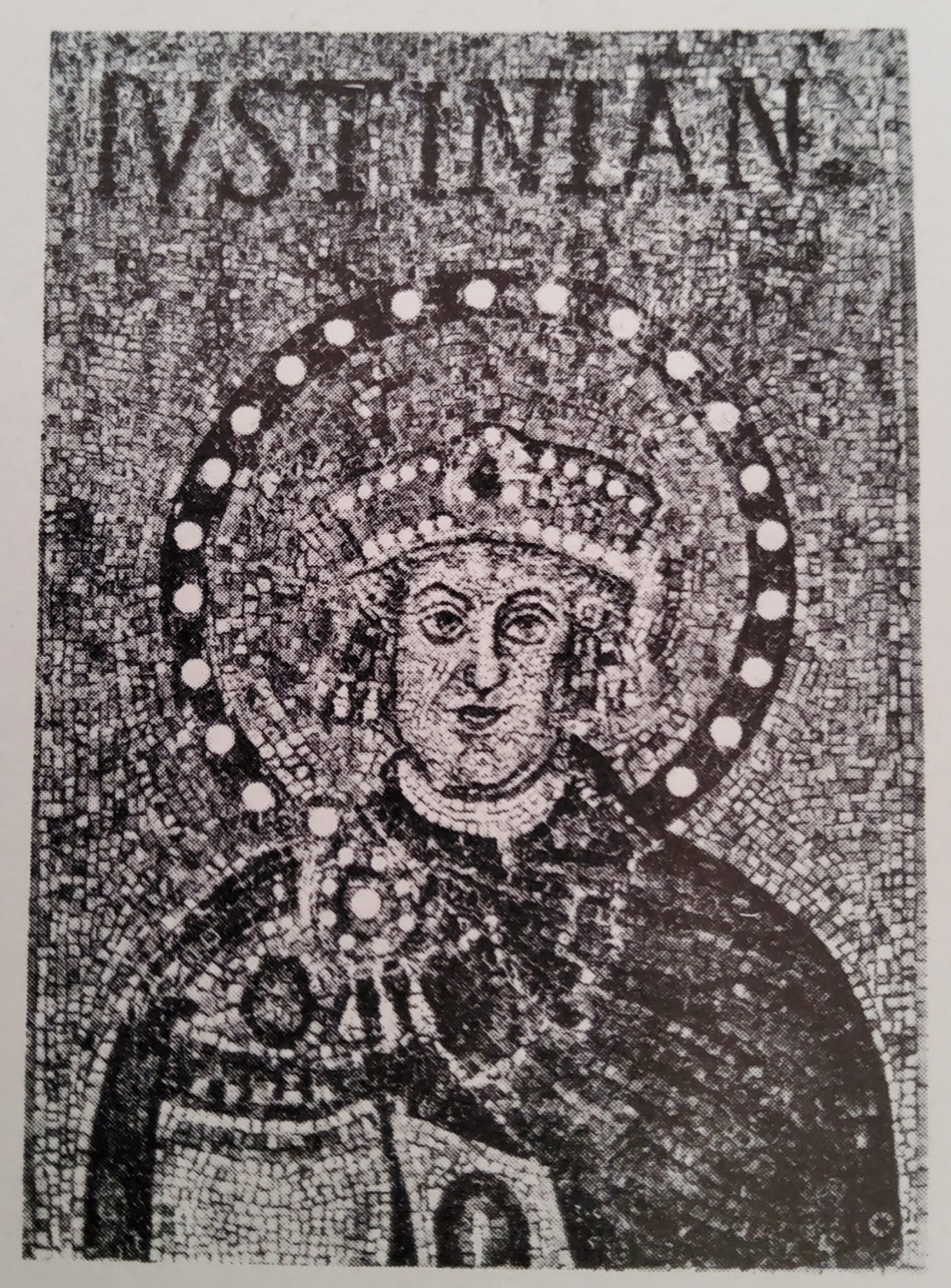
Justinian Corpus (520-622 A.D.)
Justinian Corpus, the Juris Civilis, is the ancestor of all European legal systems. The sixth century – in the West,
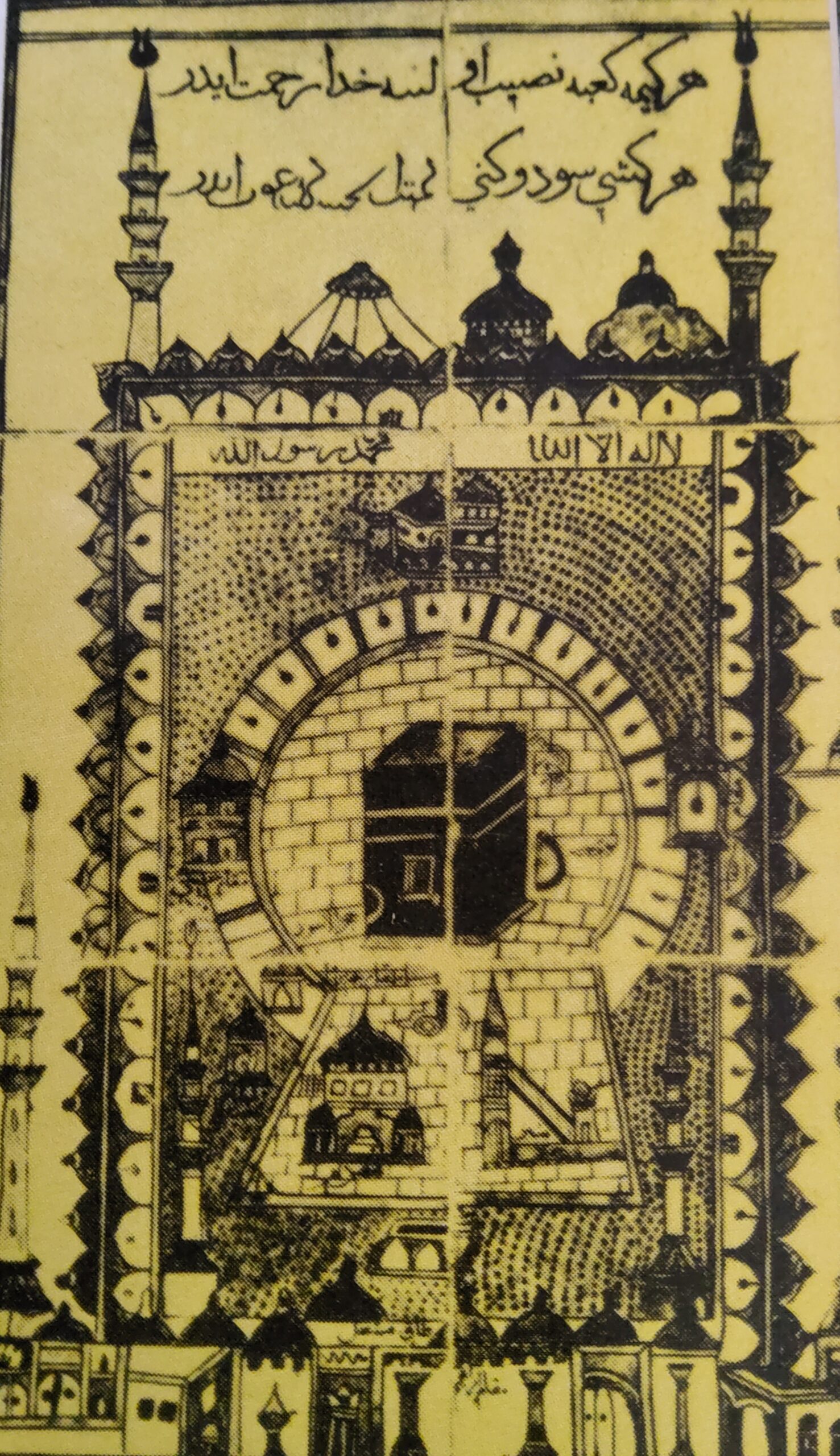
Flight to Medina (622 A.D.)
The flight to Medina, was made by the prophet Mohammed, when he fled from his native Mecca, in hopes of
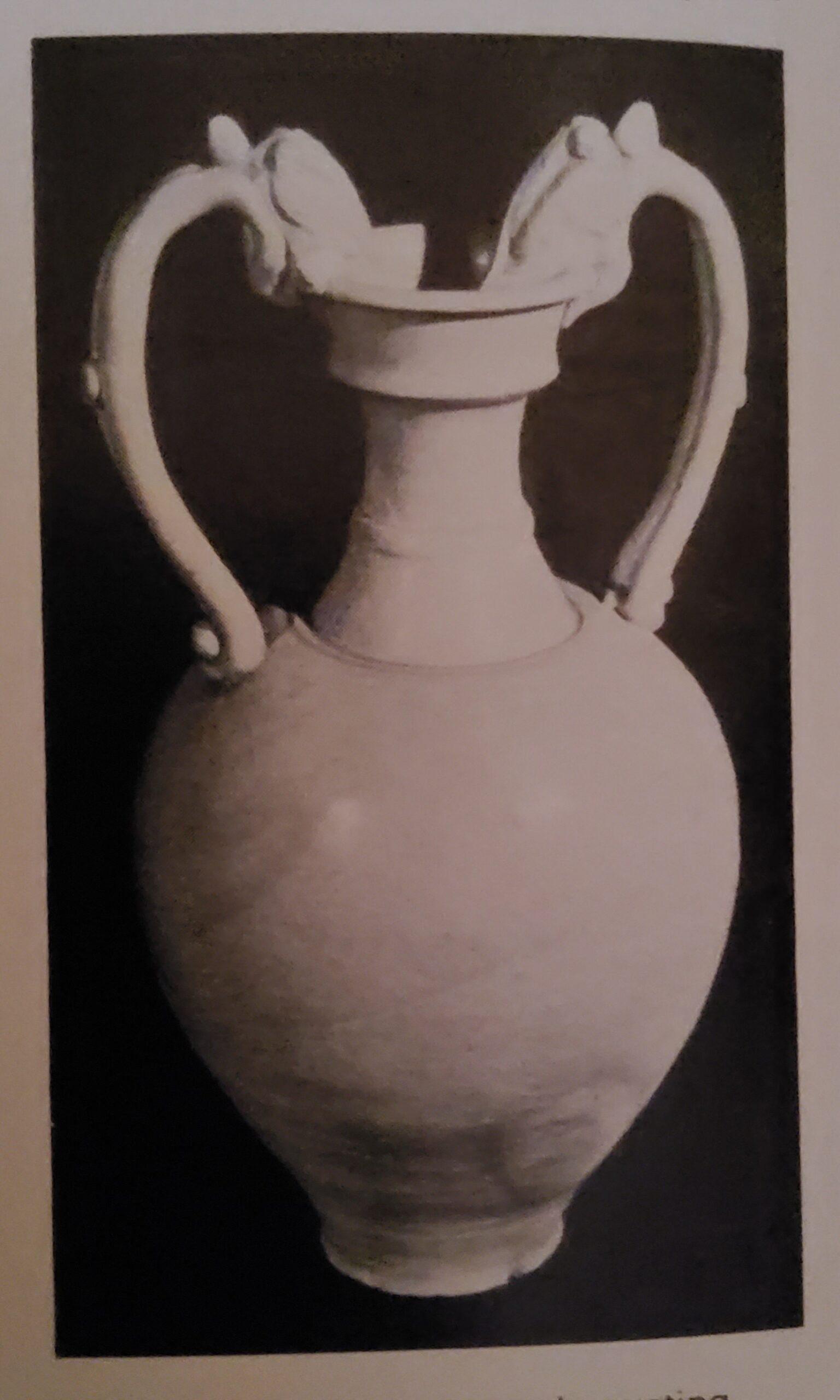
T’ang Empire (622 – 794 A.D.)
T’ang Empire – first of the great Chinese dynasties – unifies the nation. The siege of Byzantium During the seventh
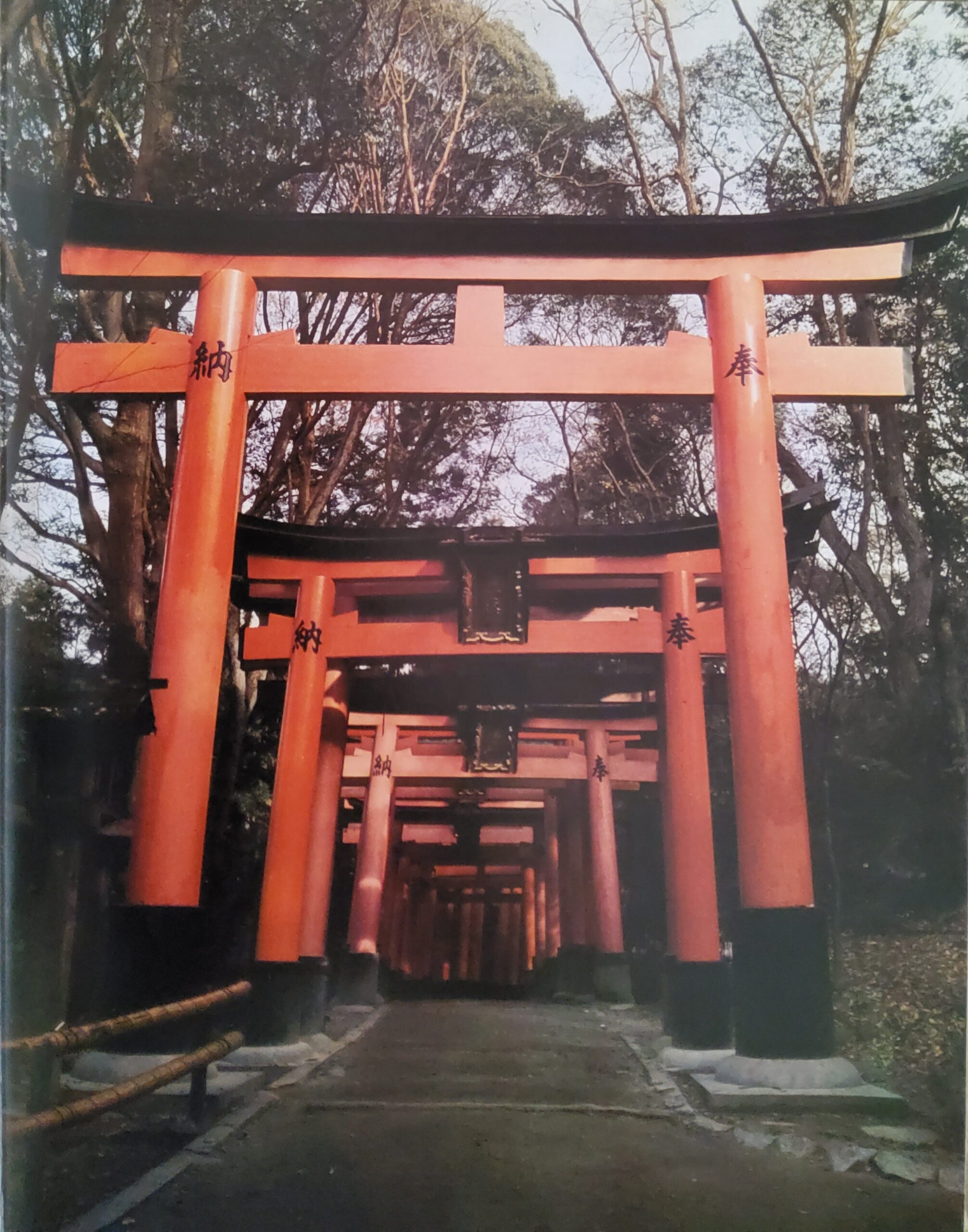
Japanese Renaissance (794 A.D.)
Japanese renaissance was not until 794 A.D., when the Japanese capital was transferred from Nara to Heian (modern Kyoto), that

Frankish Hordes Crush Romans (794-800 A.D.)
Frankish hordes crush the Romans at Soissons and the disintegration of Europe begins. Japan during the Heian period For some

Charlemagne Crowned (800 A.D.)
Charlemagne crowned, at a solemn moment during the celebration of Mass in Rome’s St. Peter’s Basilica on Christmas Day of

Charlemagne’s Empire Destroyed by Eastern Hordes (800-886 A. D.)
Charlemagne’s empire destroyed and dissolved in the ninth century, but the idea of “Europe” survived. By the late tenth century,

Alfred “The Great” builds England for the English (886 A. D.)
Alfred “The Great”, alone amongst the English kings, has been awarded this title. Earlier invaders of the British Isles had

Baghdad Founded (886 – 950 A. D.)
Baghdad founded and became the centre of Islamic learning and culture. England in the tenth century As a soldier, Alfred,
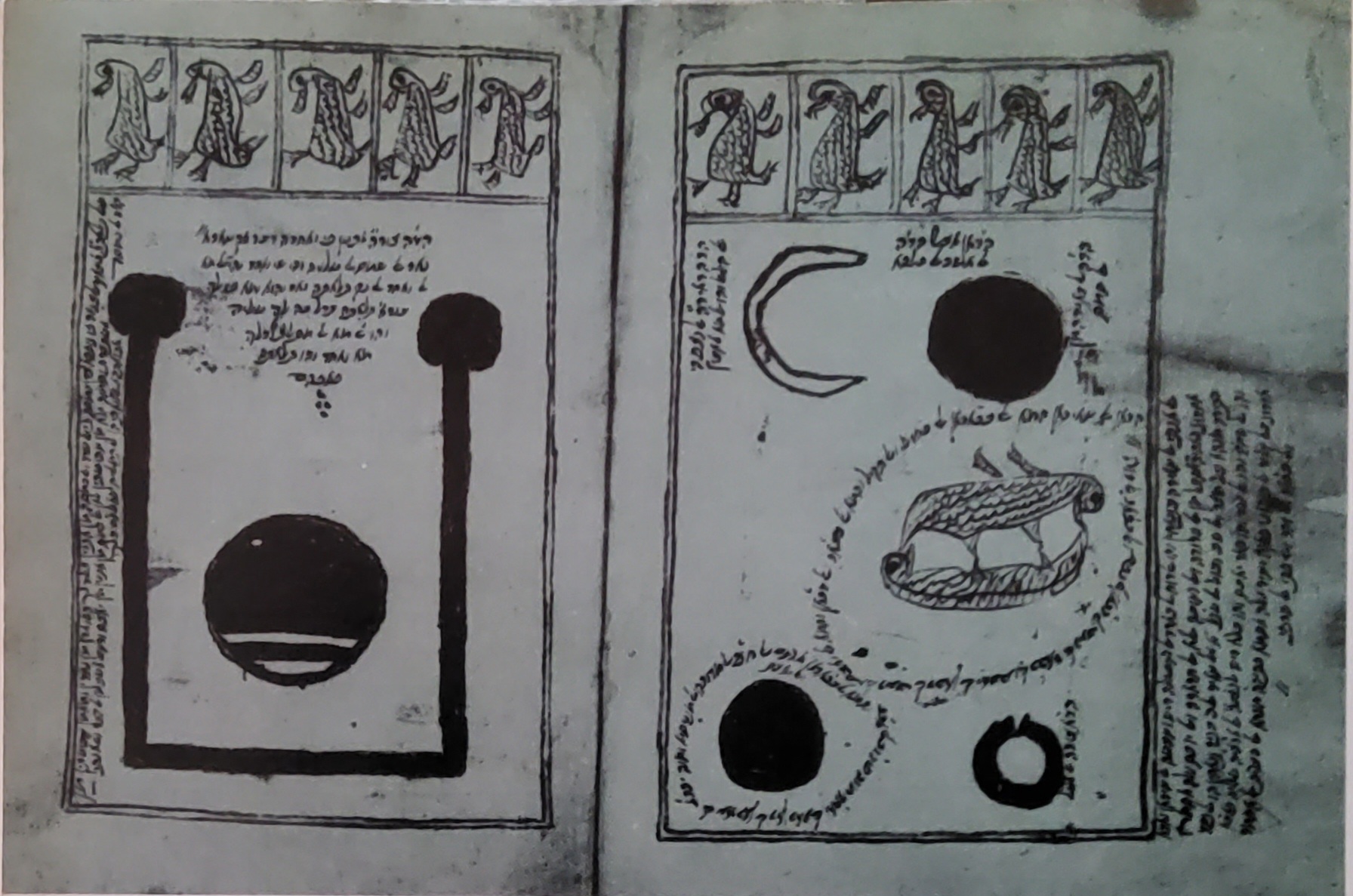
Caliph of Cordova’s Library (950 A. D.)
Caliph of Cordova’s library, raised Cordova to its great eminence. It was Europe’s most glittering capital: a place where Moslems,
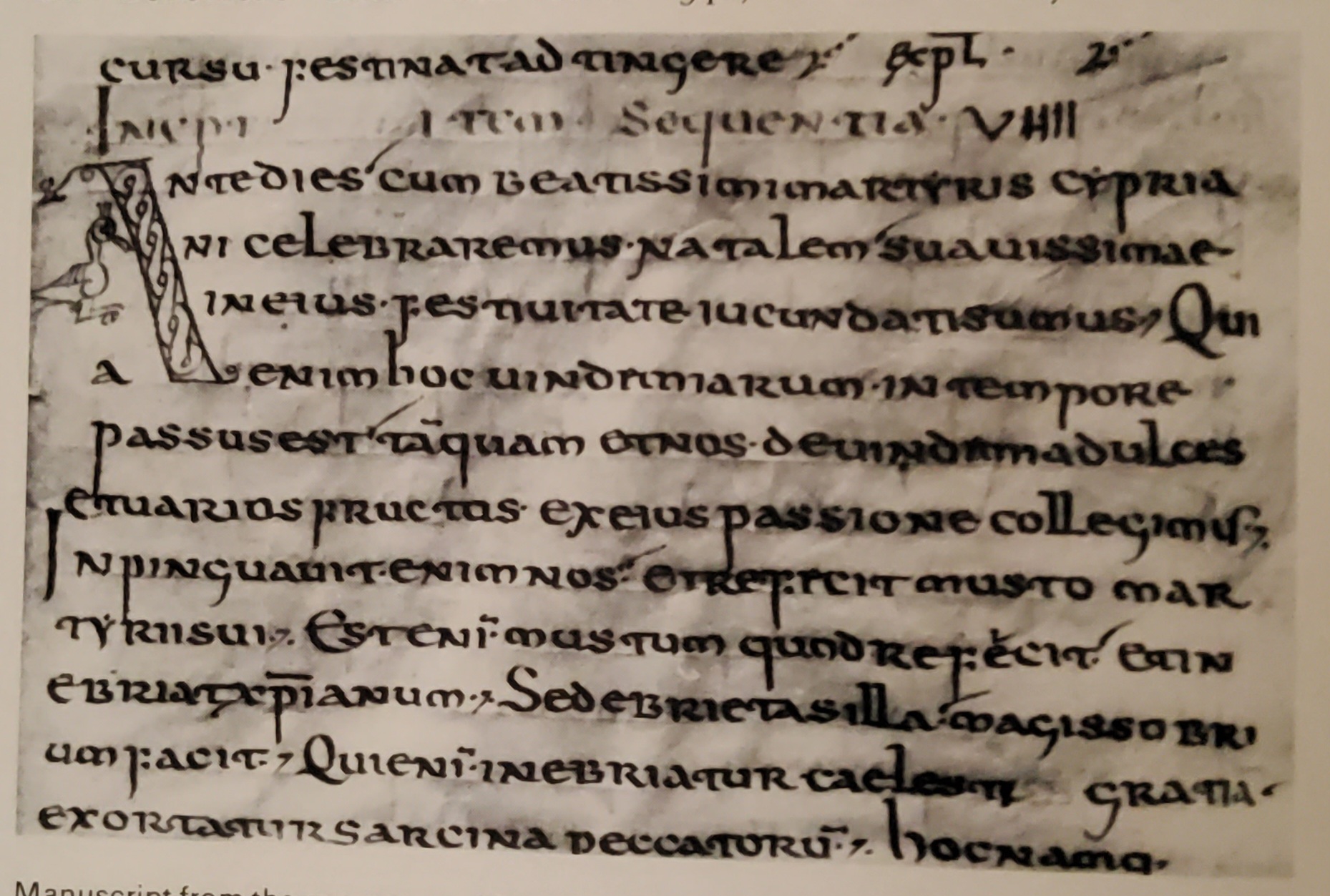
Cluny (950 – 955 A. D.)
Cluny, the Greatest Benedictine Abbey in Europe, was founded in 910. After the reign of the great Abd al-Rahman III,
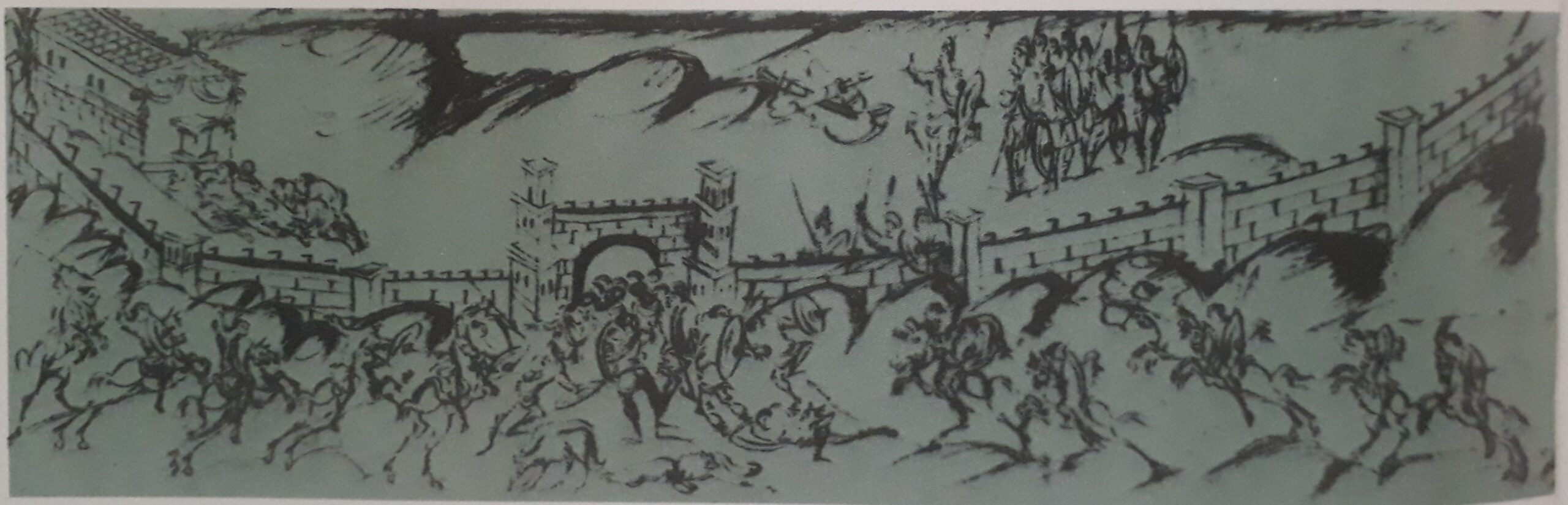
Lechfeld (955 A. D.)
Lechfeld, the battleground outside Augsburg on St. Lawrence’s day, 10 August 955 A. D., was highly significant for the whole