Blog Archives

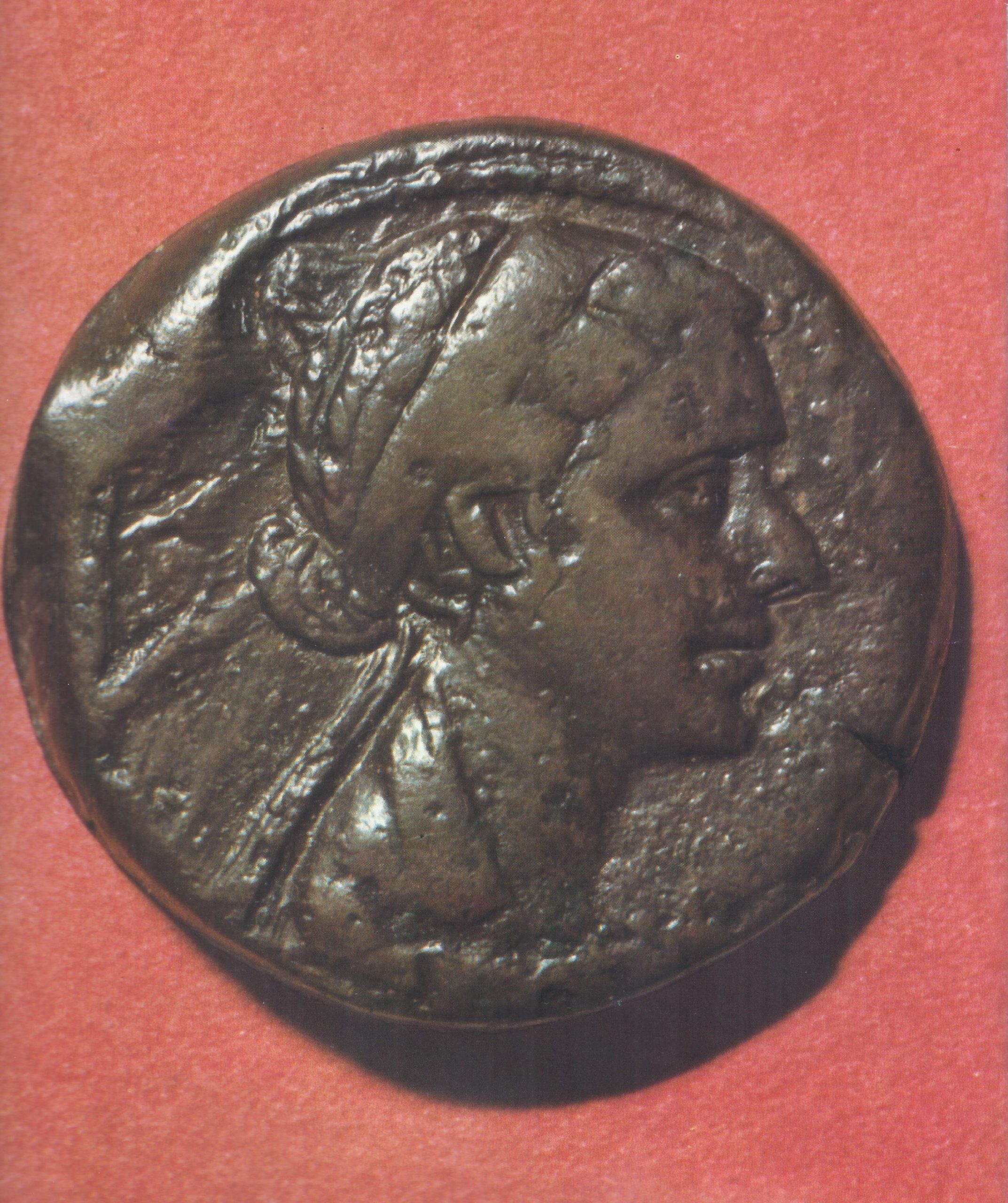
The Emperor Augustus (B.C. 31)

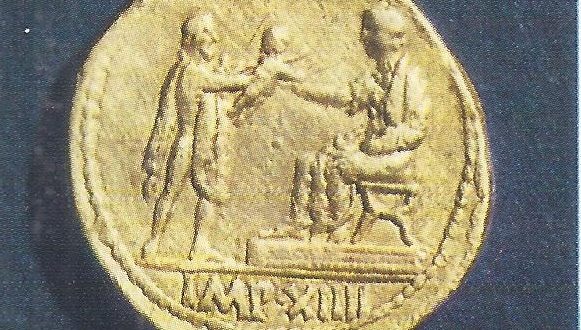
The assassination of Julius Caesar in 44 B.C. initiated thirteen years of bloodshed, during which the people who had plotted his death were hunted down and those who remained in positions of power disputed that power among themselves. Finally, the struggle resolved itself into a duel between Octavian, Caesar’s grand-nephew heir and Marc Antony, his most able lieutenant, in alliance with Cleopatra, Queen of Egypt. In the final confrontation at the naval battle of Actium, Marc Antony and Cleopatra were routed and Octavian became ruler of the world as the Emperor Augustus. Egypt’s last bid for world empire had been …

Read More »
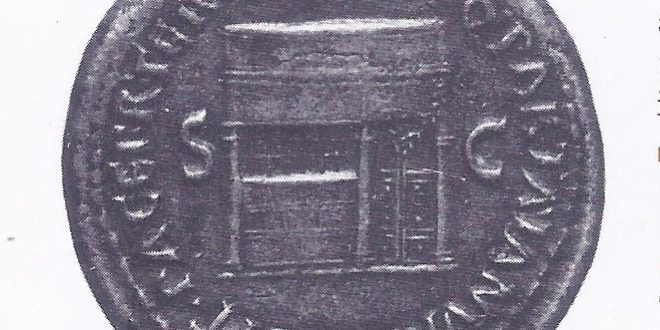
Temple of Janus

Octavian and the New Roman Empire (B.C. 31 – 9 A.D.)

Octavian delivers the state from that was plunged into depression. A few weeks after January 1 in the year 29 B.C. the doors of the temple of Janus in Rome were closed. This traditional act symbolized that the Roman state was at peace. The closing of the doors on this occasion was greeted with more than the usual joy and relief that marked the termination of war. Since the murder of Julius Caesar in the Forum in the year 44 B.C., Rome had been plunged, with little intermission, in civil war. From that long agony, the state had finally been delivered by …

Read More »

Arminius, Liberator of Germany (9 A.D.)

By 9 B.C. it seemed that Augustus’ ambition to extend Roman territory to the Elbe had almost been achieved, but the Romans overestimated the extent to which they had successfully assimilated their new province. Encouraged by revolts in the Empire, German aspirations to freedom and prowess in arms both found their champion in Arminius, a German by birth, but also a Roman citizen. Arminius’ knowledge of the terrain made a German victory a strong possibility and his annihilation of the legions sent to maintain order shook the Empire to its core. Rome was forced to abandon any idea of a …

Read More »

Jesus of Nazareth, Saviour God of a New Religion (30 A.D.)

Jesus of Nazareth, his life and death, for Romans alive about A.D. 30 was of no significance whatsoever. In the context of Roman history, Jesus was just another rebellious troublemaker. After the revolt of Spartacus thousands of slaves had been crucified in the same way as Jesus. His death was merely one more item in the list of repressions that Rome found necessary to carry out in order to consolidate her power. Yet in the end, the religion founded by Jesus would take over the Roman Empire itself and eventually make its way all over the world. The consequences for …

Read More »

Revolt and Destruction of Judea (30 – 70 A. D.)

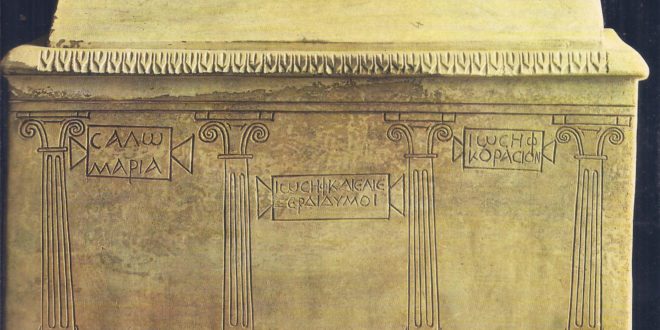
Judea was destroyed and it’s people were scattered due to revolt in the East. Herod the Great died in the spring of 4 B.C.; his death sparked off an explosion of the long pent-up feelings of his Jewish subjects. Revolts immediately broke out in different parts of the country under various leaders. The situation was made worse by a Roman procurator, Sabinus, who moved in with troops to secure Herod’s very considerable property for the Emperor Augustus. At Jerusalem, crowded with pilgrims for the feast of the Passover, armed conflict soon broke out. The Romans were ordered to withdraw by …

Read More »

Zealots and the Destruction of Zion(70 A.D.)

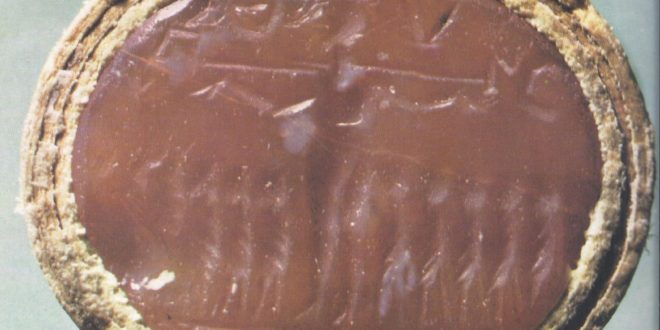
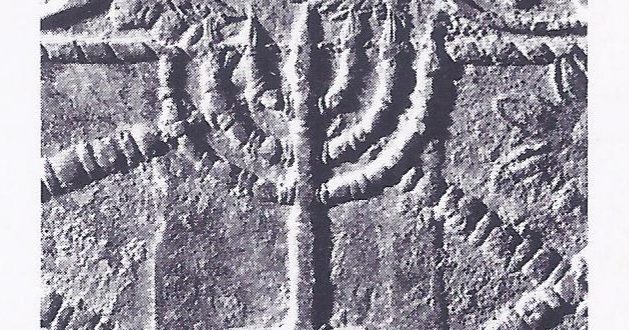
Zealots, for sixty years or more, had formed the “resistance’’ against the Romans in Judaea and their ideas were shared by many other Jews who were not active members of their party. After the death of King Agrippa in A.D. 44, Judaea returned to direct Roman rule and from that moment Jewish history seemed to take on an air of inevitability. According to orthodox Jewish belief the Holy Land belonged to God and God alone. The presence of a Roman Governor in Jerusalem was in itself an affront to God and to pay tribute to the Emperor was to give …

Read More »