Topics
- Early Civilizations 400,000 B.C – 648 B.C.
- Ancient Greece 3000 B.C. – 323 B.C.
- Ancient Rome 1000 B.C – 476 A.D.
- Early Christianity and Byzantium 6 B.C. – 1453 A.D.
- East in the Middle Ages 214 B.C. – 1644 A.D.
- West in the Middle Ages 481 A.D. – 1485 A.D.
- Renaissance 1277 A.D.- 1603 A.D.
- Reformation and Exploration 1415 A.D. – 1634 A.D.
- Age of Great Kings and Enlightenment 1469 A.D. – 1762 A.D.
- Age of Revolution 1765 A.D. – 1815 A.D.
- Industrial Revolution and Nationalism 1702 A.D. – 1906 A.D.
- Imperialism and World War 1 1841 A.D. – 1920 A.D.
- Totalitarianism and the Great Depression 1861 A.D. – 1938 A.D.
- World War 2 and its Aftermath 1934 A.D. – 1944 A.D.
- Modern Age 1946 A.D. – 1965 A.D.

Fire in the Reichstag 1923 – 1933
DURING THE years that followed Hitler’s adventure in the Munich beer hall, ministers came and went in the German government.

Germany under the Nazis 1933 – 1939
IT WAS almost midnight in Berlin — a strange hour for a parade in any city, but down the street
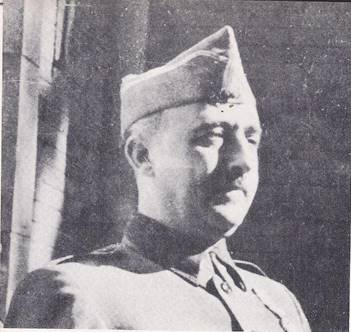
Dictatorship and Civil War 1926-1939
THE END OF World War I brought many changes of government in Europe, but in a number of countries the
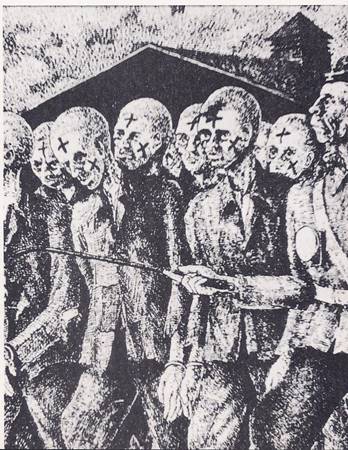
The Meaning of Totalitarianism
So it happened that in many parts of the world people were living under a system of government that came

Panic in Wall Street 1929-1932
AS MILLIONS of Americans hurried to work on the morning of October 24, 1929, it seemed like the start of
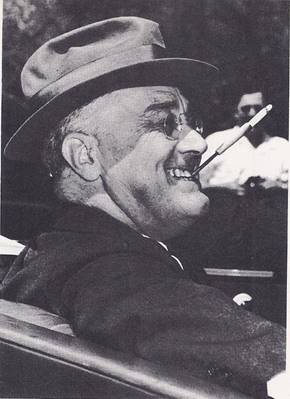
The New Deal 1933
WHEN Franklin Delano Roosevelt was nominated in 1932, he was fifty years old. A fifth cousin of former President Theodore
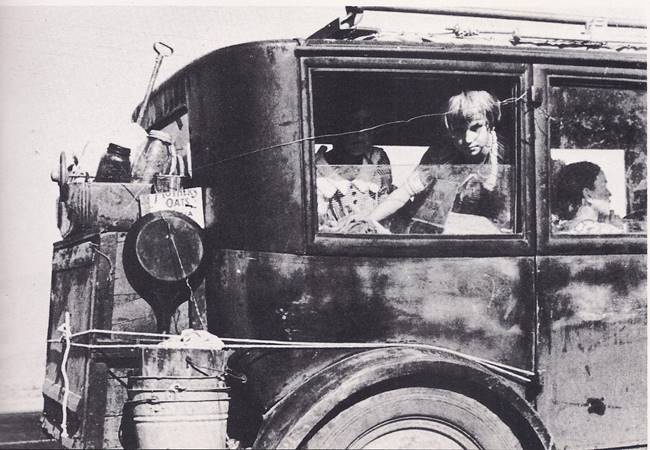
A Changing Nation 1934 – 1936
IN THE spring of 1933, as the New Deal roared into action, business began to get better, but it dropped
The Election of 1936
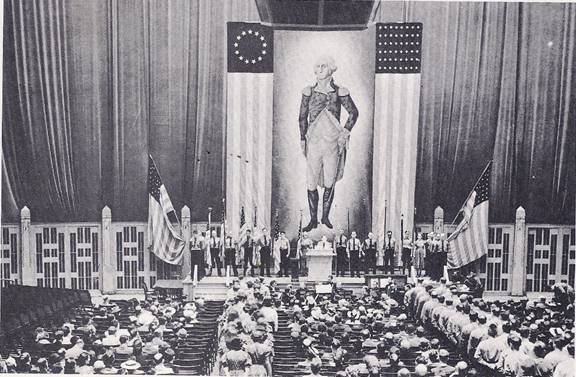
As Roosevelt’s first term in office neared its end, many people in the United States — and in other countries

Roosevelt Battles the Court 1937-1939
BEGINNING his second term, Roosevelt made it plain that the New Deal would go on. He would continue to work
“On the Dole” 1918 – 1936
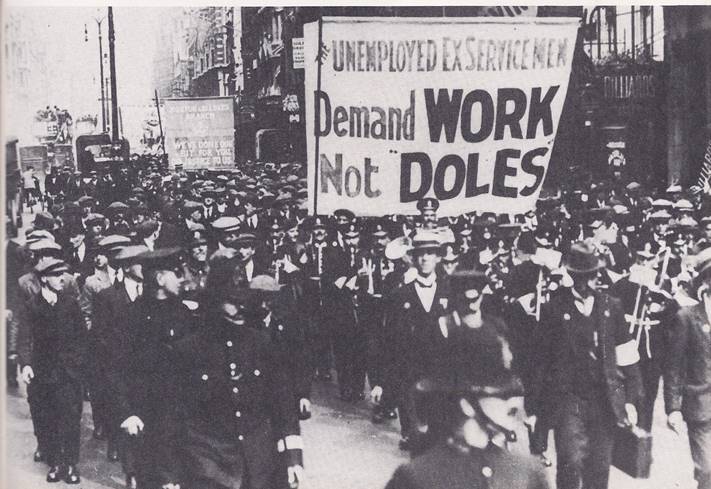
IN Europe as in America, the leading democratic nations — Great Britain and France — faced the problems of the
Democratic but Divided 1926-1939
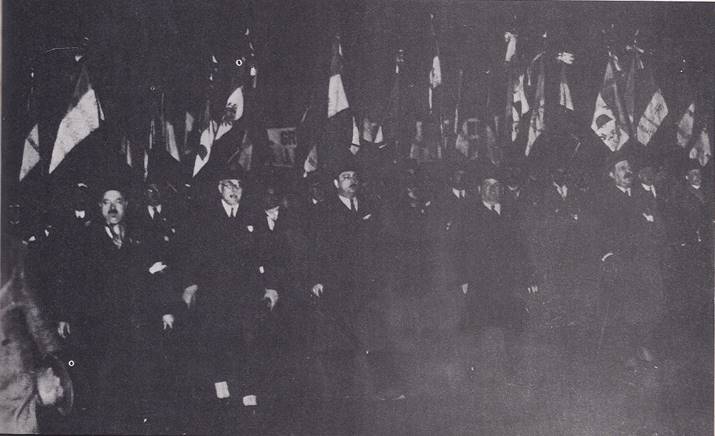
UNLIKE Britain, France was not a highly industrialized country; its economy was fairly evenly divided between industry and farming. For

Totalitarianism Versus Democracy
AS THE 1930’s drew to a close, only eight countries in Europe, besides Great Britain and France, were still democracies.

“My Name Will Stand Forever” 1933 – 1938
Adolf Hitler, stood above the German town of Berchtesgaden, in a large, imposing house in the mountains and stared out

Victory in Europe 1941 – 1945
Even before Pearl Harbour, there had been cooperation between the United States and Britain. In August of 1941, President Roosevelt

“Peace in Our Time” 1938 – 1939
Czechoslovakia was a country of many peoples. The largest groups were the Czechs and the Slovaks, but in the region

A World at War 1939 – 1941
Now the people of Europe began to hear a new sound, a sound that would haunt them throughout the years
Victory in the Pacific 1941 – 1945
On June 25, 1940, the Japanese war minister said, “The present international situation is developing in a manner advantageous to

The United Nations and the Nations Disunited 1943 -1949
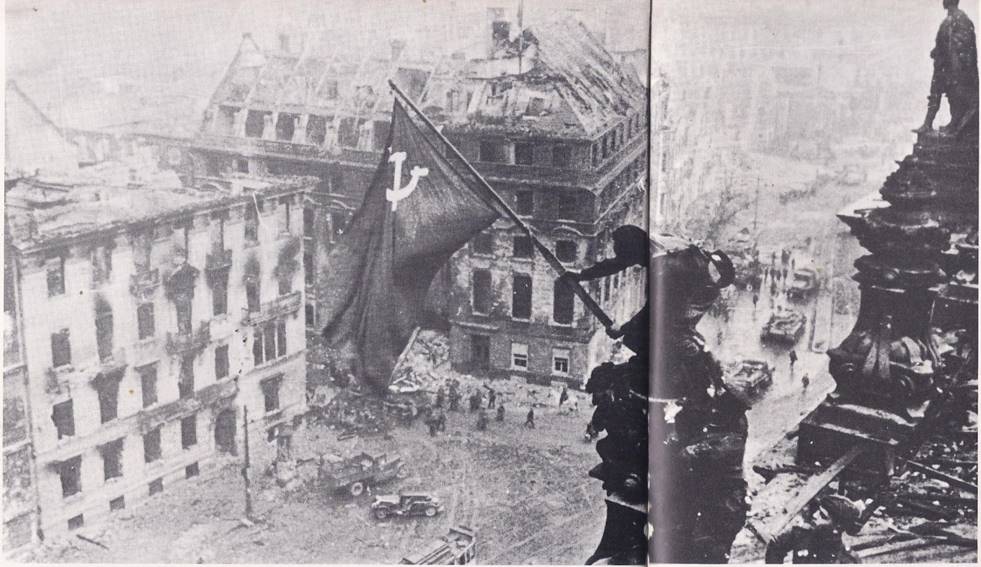
So at last, in the Pacific as in Europe, the guns were silent; the nations that had brought so much

Independence for India 1920 – 1964
Even before the end of World War II, it was clear that Asia and Africa would soon be shaken by

China and Revolution 1912 – 1962
Like Gandhi and Nehru in India, one of China’s greatest leaders, Dr. Sun Yat-Sen, learned from the West as well

War in Korea 1945-1953
Although the cold war was the most important fact in the politics of the post-war world, few persons could have

The United Nations and the End of Colonialism 1946 -1965
Even before the Korean War, the United Nations had proved that it could take effective action to control serious conflicts.

Death of a Dictator 1946 – 1953
AS THE SKY darkened over Moscow on the evening of March 5, 1953, thousands of people waited in line before

The Thaw in the Cold War 1953-1959
Stalin had left behind him a world of suspicion, distrust and fear. Suspicion, distrust and fear were as great in

A Time of Crisis 1960-1963
One of the sources of trouble was Cuba. In 1956 a small group of revolutionaries, led by a 29-year-old lawyer