Totalitarianism and the Great Depression 1861 A.D. – 1938 A.D.


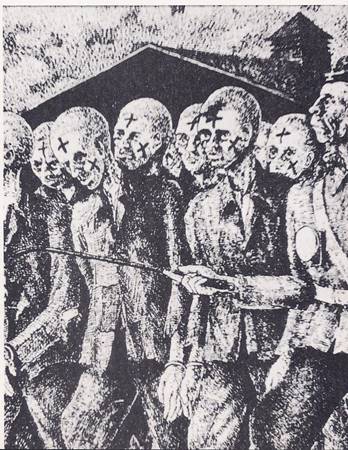



AS THE 1930’s drew to a close, only eight countries in Europe, besides Great Britain and France, were still democracies. They were Belgium, Holland, Switzerland, Czechoslovakia, Norway, Sweden, Denmark and Finland. Three of Europe’s most important nations were dictatorships. The Soviet Union was communist; Germany and Italy were fascist. There had been dictatorships before, but these went further; they were totalitarian. The word “totalitarian” comes from the word “total,” and total control is what these dictatorships were after — total control of their people, total control of their actions and thought.
There were differences between the totalitarian countries. While Stalin exterminated his opponents as ruthlessly as the fascists, he sought to spread his power less by war than by internal revolt. Nor did the Soviets openly preach racial war and genocide. In Germany, however, the Nazis loudly boasted that the Germans were the master race, destined to conquer all other, inferior, peoples. “Today Germany,” they said, “tomorrow the world.”

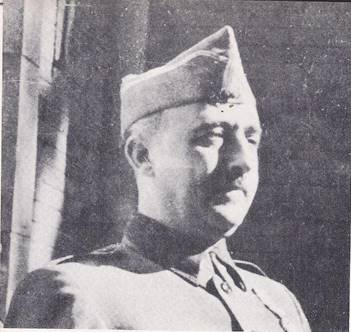
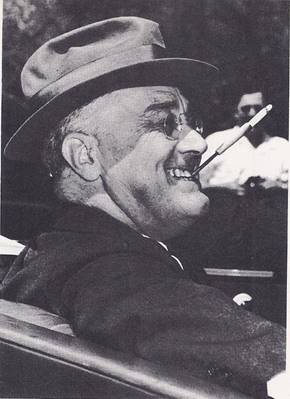
Furthermore, the fascists claimed to be the only ones who could stop Communism and the communists considered the fascists their worst enemies. As a result, the communists in some countries found themselves lined up with the defenders of democracy against fascism. In France they were part of the Popular Front. In the United States they supported Roosevelt and the New Deal. In Spain they fought against Franco side by side with men who believed in democracy, although the communists later betrayed the Spanish democrats.
Three ideologies competed for control of the world and as events turned out, one totalitarian nation — the Soviet Union — would finally be forced to stand with the democracies against the totalitarians of Germany, Italy and Japan in the most terrible war in the history of the world.