Totalitarianism and the Great Depression 1861 A.D. – 1938 A.D.


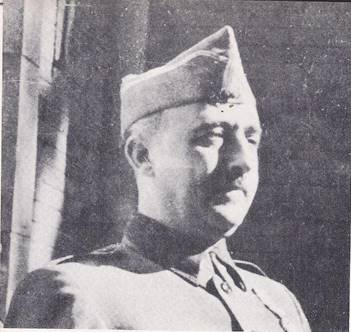


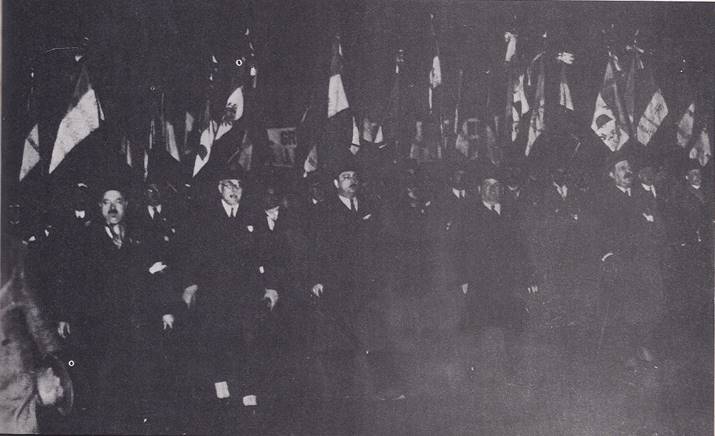


So it happened that in many parts of the world people were living under a system of government that came to be called totalitarianism. There were differences in the governments of the totalitarian countries, but they were alike in certain important ways. In each of them, the government was controlled by one political party, usually under a dictator and no other political parties were allowed. The ruling party was not satisfied to control the government; its aim was total control of the life of its people. It controlled the courts and the armed forces, labour and industry, science and the arts. In some countries, it controlled religion completely; in others, religious groups were allowed to exist so long as they did not challenge the power of the government.
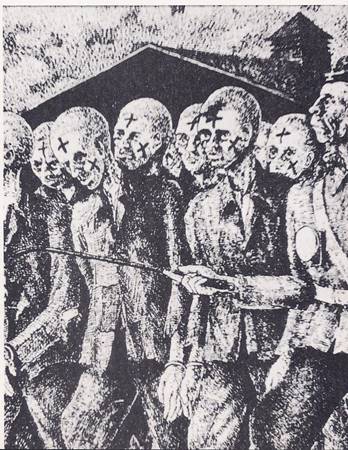
To keep their strict control of the people, the totalitarian governments set up a secret police and totalitarian countries were often called “police states.” The people had no civil liberties and no part in the governing of the country. They had to obey and do as they were told. If they did not, they risked prison, concentration camp, torture and death.
As totalitarianism spread widely over the world, men began to wonder what had made it possible. The reasons were not too difficult to find . The end of World War I had left many countries, especially those that had been defeated, divided and disorganized. Their weak governments could not solve the problems that faced them. This gave “strong men” the chance to take over the government.
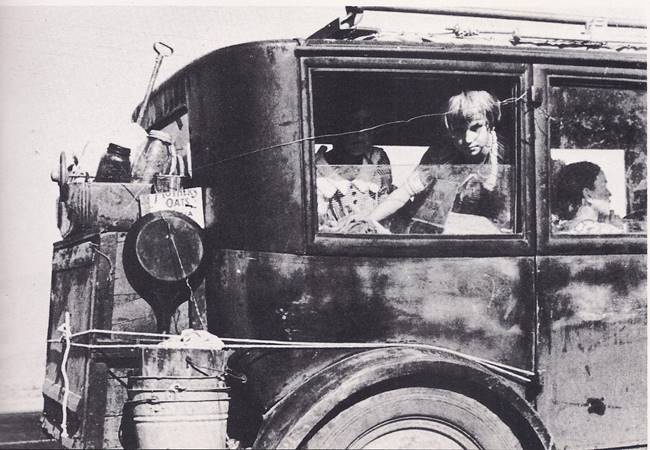
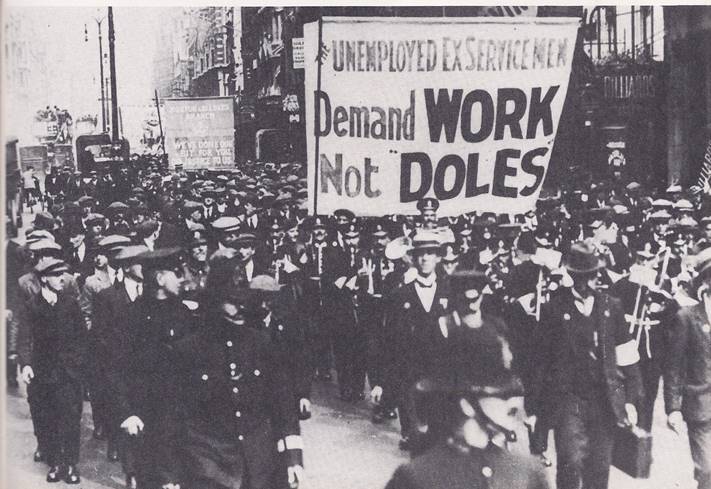
Another important reason was the great depression that began around 1929. Business seemed to come to a standstill. Unsold goods piled up in warehouses, while factories shut down and millions of people were thrown out of work. Hungry people were willing to listen to anyone who promised them food and jobs. Freedom no longer seemed to matter; what good was freedom to a starving man? A dictator might improve conditions; things could hardly get worse. At the same time, the leaders of business and industry were afraid of a revolution that might strip them of their wealth. They supported the parties that promised to save the country — and their profits.
The totalitarian governments had no real solution for the problems of their countries. They could grow fat only at someone else’s expense. To survive, they had to gobble up territory owned by other nations. They had to expand — and expansion, if resisted, meant war. The big exception was the Soviet Union. It, too, was totalitarian, but in the early years after the revolution it was too weak to fight. Besides, it was a vast country with great natural resources. Stalin decided that the first thing Russia must do was build up its industry. Meanwhile, Germany, Italy and Japan prepared to grab all they could.
The depression also struck the great democracies of the United States, Great Britain and France. As the depression deepened, the world watched to see what they would do. Could they find a democratic way to solve their problems? Or would they, too, give way to totalitarianism?