Industrial Revolution and Nationalism 1702 A.D. – 1906 A.D.




AFTER THE fall of Napoleon, Louis XVIII came to the throne of France. Although his powers were limited, by following a middle-of-the-road policy he was able to rule peacefully until his death in 1824.
His brother, Charles X, then became king and soon began using his influence to undo as much of the French Revolution as possible. He was able to have laws passed which required the government to pay large sums of money every year to the nobles whose land had been taken from them during the revolution. The Catholic Church was strengthened and once again priests began teaching in public schools. Republicans complained and newspapers took a strong stand against the king’s program. During a parade of the National Guard, which was known as the “army of the people,” there were demonstrations against the king. Charles struck back by disbanding the National Guard and by taking away freedom of the press.
In March of 1850, the Chamber of Deputies voted that it had no confidence in the government and the king was forced to call new elections. So many opponents of the king were elected to the Chamber of Deputies that his program was in danger. Charles still had a weapon to use against his enemies — the power to issue royal decrees that had the force of law in cases of emergency. On July 26, 1830, he used that weapon to dismiss the recently elected Chamber before it had time to meet. Another decree took away freedom of the press. A third took away the voting rights of most middle-class voters and a fourth decree called for a new election on the basis of the changed voting rights. Had this election taken place, Charles would have won an easy victory.
Instead, Paris rose up in revolt. Students and labourers, joined by businessmen of the middle class, thronged the streets, barricaded them for three days and defied the police. Charles sent in troops to restore order, but they became friendly with the people and refused to fire upon them. The frightened Charles fled to England.
The bankers, merchants and factory owners of the middle class had no desire to change the nation’s form of government. France had a constitution and two law-making bodies, one of which was made up of elected representatives. The middle class still wanted a king, but one they could trust. The students and labourers who had taken such a large part in the uprising wanted to proclaim a republic.
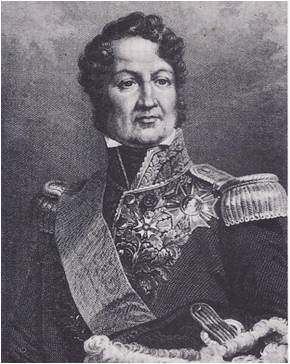
At the suggestion of the Marquis de Lafayette, the elderly hero of the American and French revolutions, both sides agreed to a compromise. They accepted Louis Philippe, the duke of Orleans, as a “citizen king” with limited powers. Among other things, he could not issue royal decrees with the force of law. The constitution was slightly changed to increase the number of qualified voters from the middle class, but the working class still had no vote and wanted a republic.

