Latest Posts

The Conquerors 343 B. C. – 323 B. C.
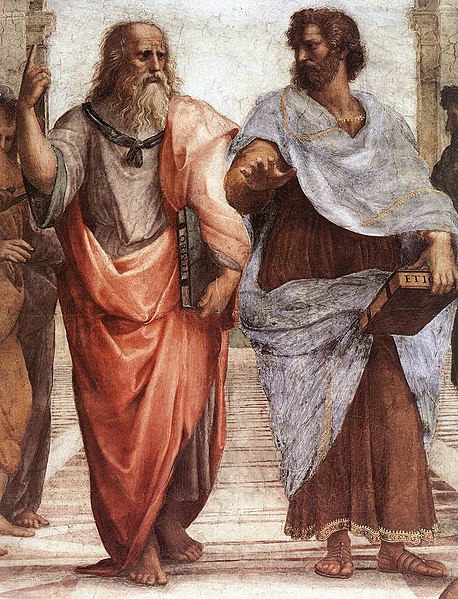
In 343 B. C., the philosopher Aristotle left the quiet of his study and journeyed to Macedonia, a country in

The Greek Way of Life 700 B. C. – 343 B. C.
In the first years of Spartan peace, Greece was filled with wandering soldiers. Their little cities needed them no more.
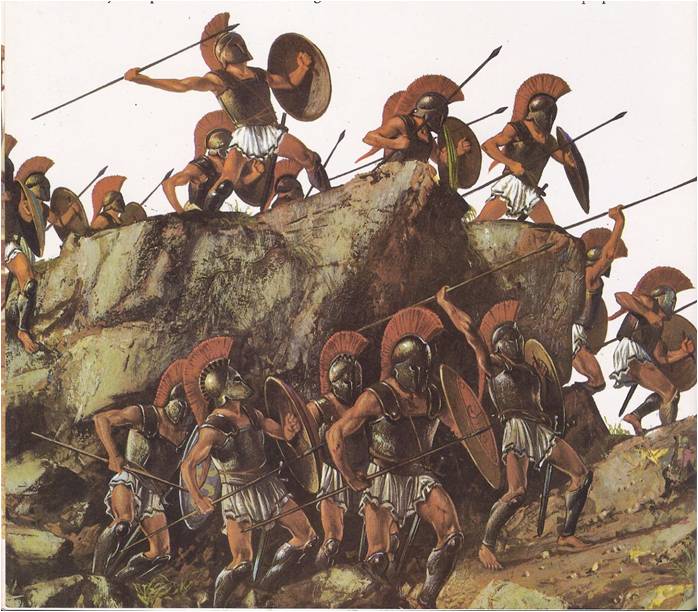
Greek Against Greek 430 B. C. – 404 B. C.
About 425 B. C., a lonely man, in a country that was not his own, sat down to write the
Early Civilizations to Modern Age

The Silent Peninsula 3000 B.C. to 1600 B.C.
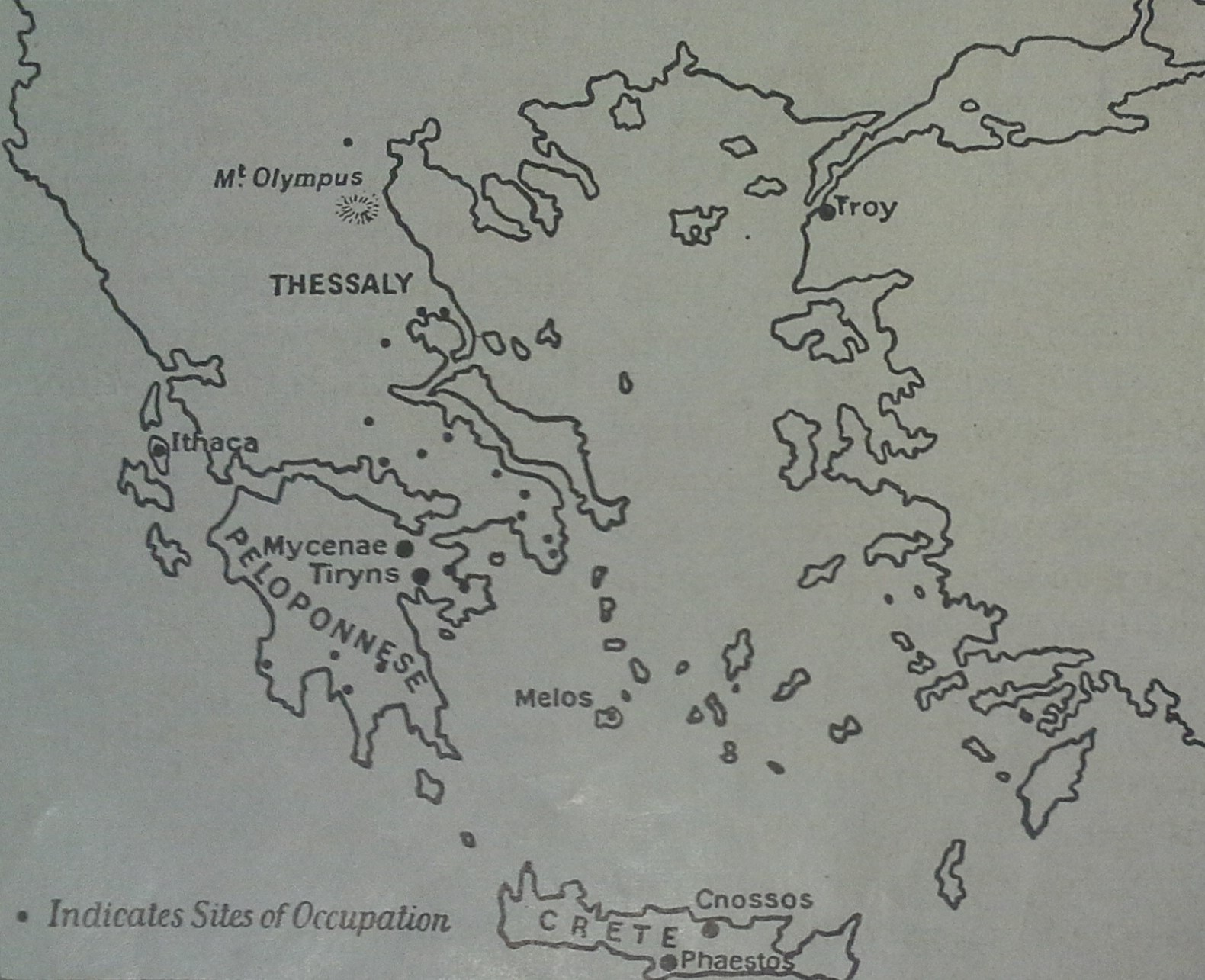
About 3000 B. C., when the Pharaohs ruled Egypt and Babylon was the home of mighty kings, bands of sailors

The Power of Minos 2200 B.C. to 1400 B.C.
Far to the south of the Greek Peninsula lay the large island of Crete. It was the home of a

Companions of the King 1500 B.C. – 1000 B.C.
Across the plains of Peloponnesus, flashed the swift chariots of knights and warrior-princes. They wore armour of gleaming bronze and
Distant Past and New Challenges


Milestones of History
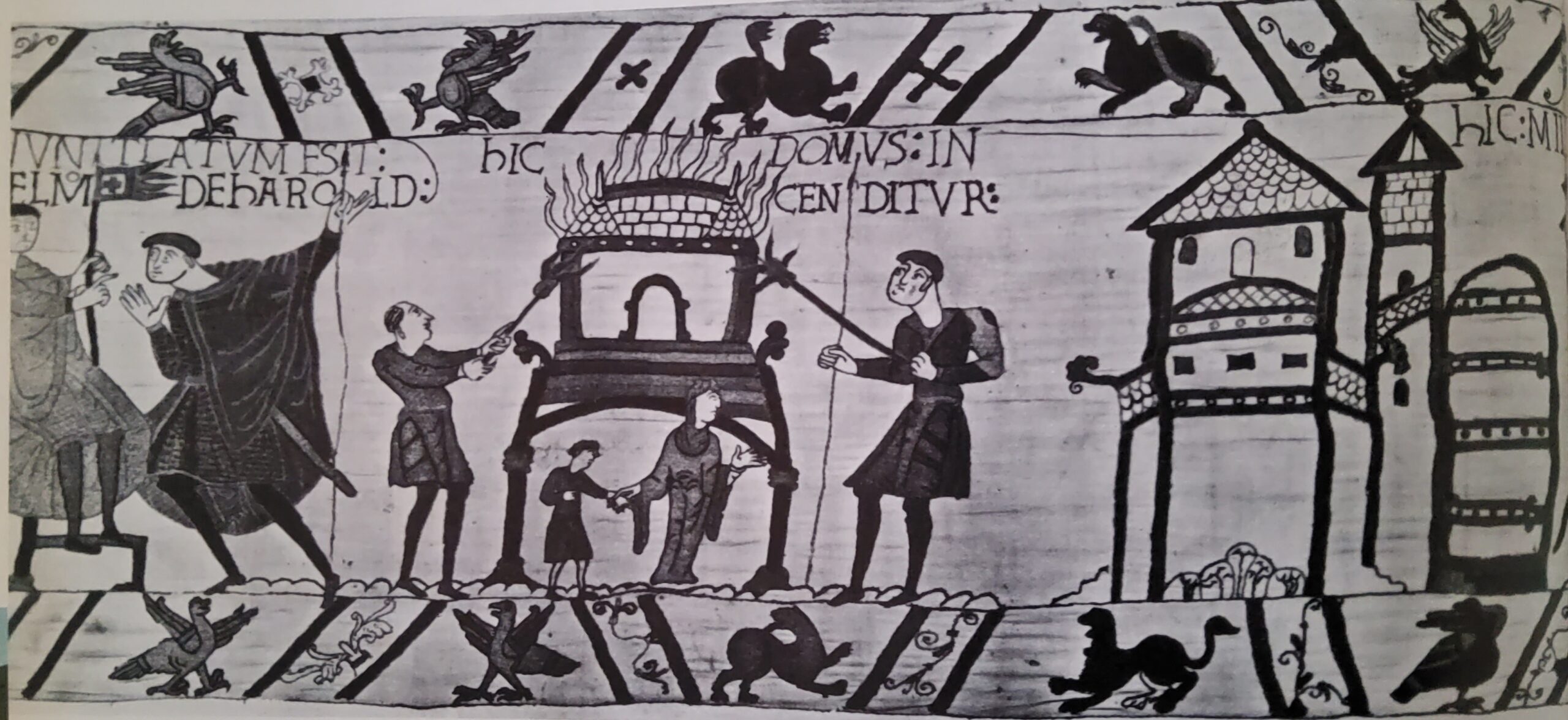
William of Normandy, the Conqueror (1066 A. D.)
William of Normandy, the conqueror, was also descended from English kings and was convinced that King Edward had promised him

Pope Leo IX (1066 – 1077)
Galilee Chapel in Durham Cathedral. Durham was the greatest of the Norman ecclesiastical border fortress in the north of England.
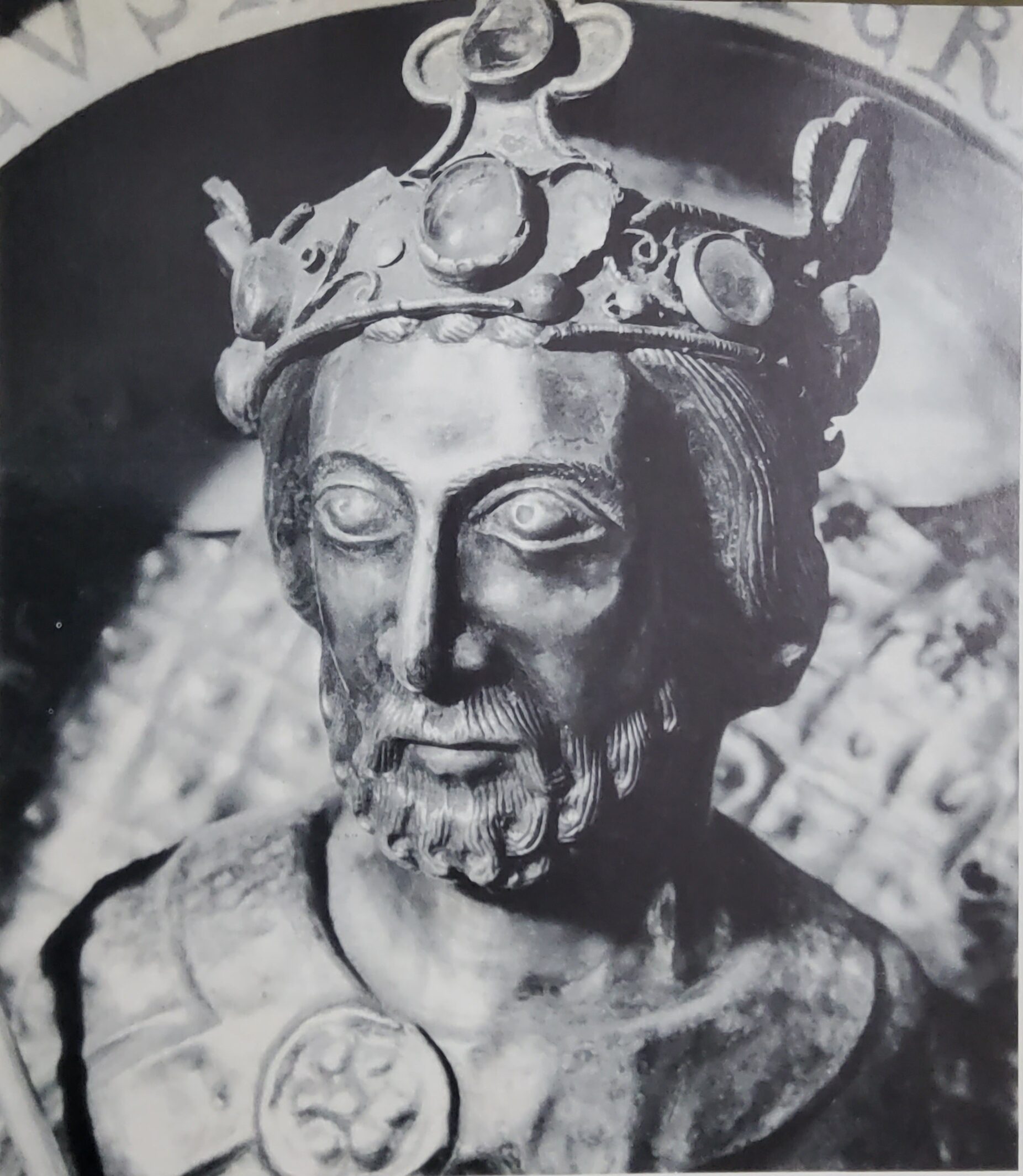
Henry IV, Humiliation at Canossa (1077 A. D.)
Henry IV stood barefoot in the snow, for three days in January, 1077, outside Canossa castle, waiting to see Pope