Latest Posts
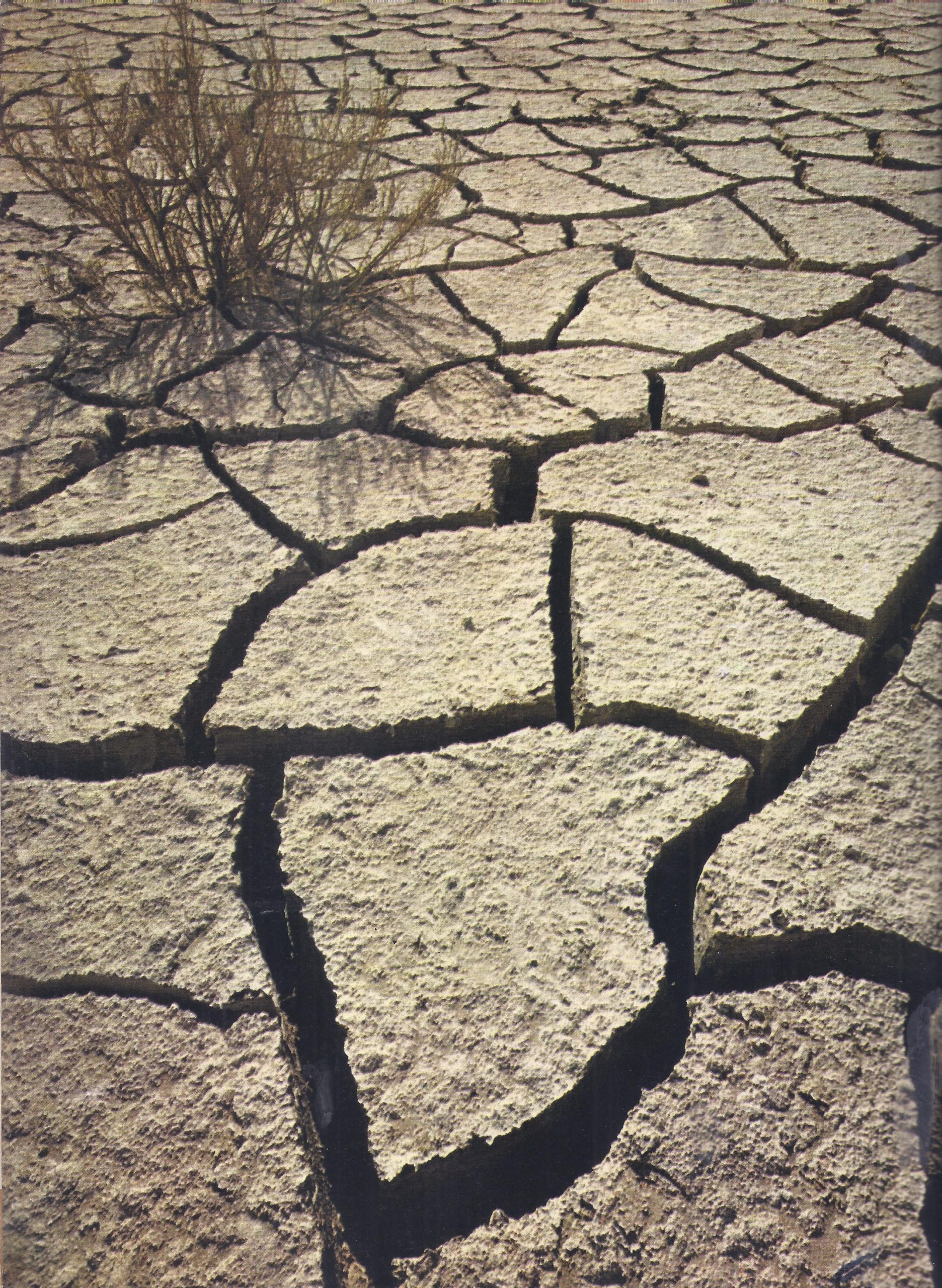
Let My People Go! (Hebrews 1280 B.C.)
The Hebrews were a nomadic people, some of whom settled in Egypt. They had their own God — Yahweh or
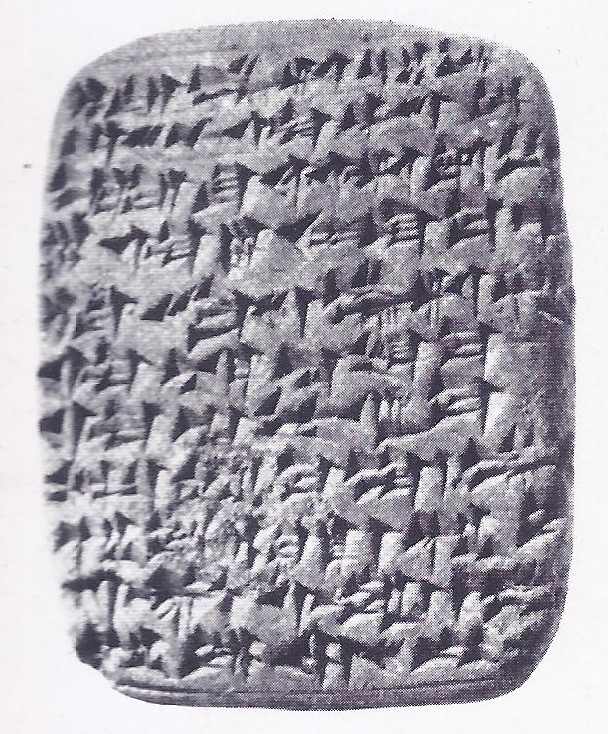
Palestine to Egypt – People Gain a National Identity and Settle New Lands (1400 – 1280 B.C.)
Palestine was possessed by Egypt. In the year 1887 an Egyptian peasant, digging in the ruins of an ancient city

The Aryan Invasion of India (c. B. C. 1400)
Aryan peoples from the North descended into India, radically affecting the native civilization, round about between 1750 to 1400 B.C.
Early Civilizations to Modern Age

Christian Knights and Mongol Horsemen A. D. 099-1404
THROUGHOUT THE eleventh century, the divided Arab Empire became weaker in all its parts. Meanwhile, the Christian lands to the
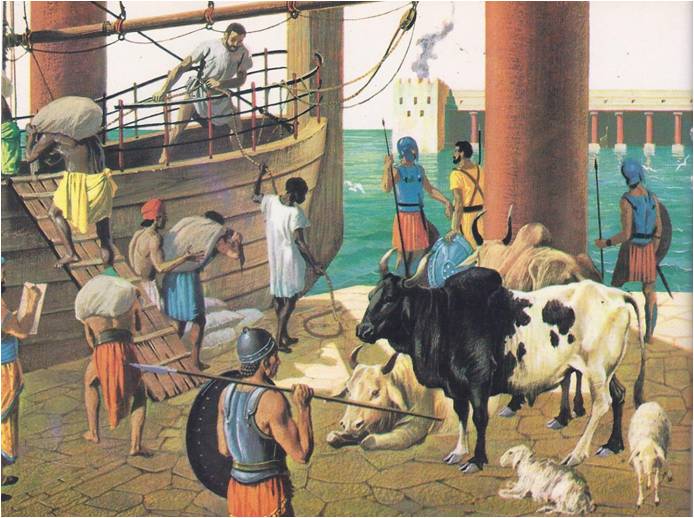
The City of Dido 264 B. C. – 129 B. C.
In 264 B. C., the people of Rome met in a noisy session of their assembly. The question before them

Seljuks and Mamelukes A.D. 950-1517
LIKE THEIR relatives the Mongols, the Turks began as wandering herdsmen in Central Asia. Their first contact with Islam was
Distant Past and New Challenges
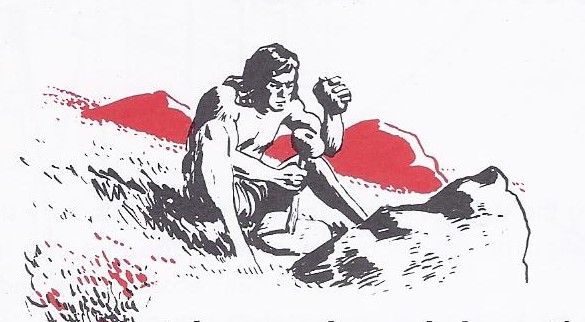


Milestones of History
Arminius, Liberator of Germany (9 A.D.)
By 9 B.C. it seemed that Augustus’ ambition to extend Roman territory to the Elbe had almost been achieved, but

Jesus of Nazareth, Saviour God of a New Religion (30 A.D.)
Jesus of Nazareth, his life and death, for Romans alive about A.D. 30 was of no significance whatsoever. In the
Revolt and Destruction of Judea (30 – 70 A. D.)
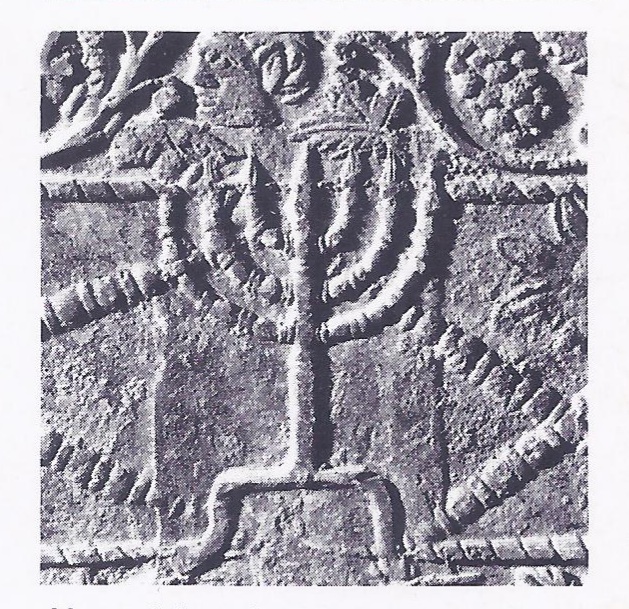
Judea was destroyed and it’s people were scattered due to revolt in the East. Herod the Great died in the